 Comparison
What Are the Best Sustainable Fur Alternatives for Fashion?
Last Updated: October 25, 2026
Quick Summary
Sustainable fur alternatives for fashion include plant-based fibers like nettle and hemp, recycled synthetic faux fur, agricultural waste materials, and ethically sourced vintage fur. Each option offers distinct trade-offs between durability, biodegradability, and environmental impact depending on your project needs and values.
- Plant-based fur alternatives biodegrade in 1-3 years but typically last only 3-5 years and require synthetic backing to achieve fur-like texture.
- Conventional synthetic faux fur lasts 7-10+ years but sheds microplastics and persists in landfills for 500+ years.
- Recycled faux fur diverts textile waste from landfills while maintaining synthetic durability, though availability remains limited and pricing runs higher.
- Vintage animal fur lasts 50+ years when properly maintained but requires specialized professional care and dry cleaning.
- Ethically sourced materials from documented North American hunters and trappers provide transparent sourcing that addresses traceability concerns.
Table of Contents
- Understanding Sustainable Fur Alternatives for Fashion
- Plant-Based Fur Alternatives and How They Work
- Faux Fur Sustainability: Synthetic Options and Their Trade-Offs
- Recycled Faux Fur and Fiber Innovation
- Vintage Fur vs. Faux Fur: Durability and Environmental Context
- Comparison Table: Material Performance and Sustainability Metrics
- Animal Welfare, Cruelty-Free Certification, and Ethical Sourcing
- Durability, Care, and Garment Lifespan
- Frequently Asked Questions
Understanding Sustainable Fur Alternatives for Fashion
When you're sourcing materials for fashion projects, the choice between animal fur and sustainable fur alternatives shapes both your environmental footprint and ethical stance. Sustainable fur alternatives for fashion span plant-based fibers, recycled synthetics, and responsibly sourced vintage options, each offering distinct advantages depending on your project's needs and values.
At Ethically Fur, we understand that crafters and designers increasingly want materials that align with their principles. The shift toward sustainable fur alternatives reflects a broader recognition that fashion innovation doesn't require harming animals or relying solely on petroleum-based synthetics.
The core tension in this space is real: traditional animal fur raises ethical concerns, conventional synthetic faux fur sheds microplastics and persists in landfills for decades, yet newer plant-based and recycled alternatives are still emerging and scaling. This guide breaks down what's actually available, how each option performs, and where the trade-offs lie.
Plant-Based Fur Alternatives and How They Work
Plant-based fur alternatives derive fibers from agricultural sources, offering a renewable approach to mimicking fur's texture and appearance. These materials replace petroleum-based synthetics with cellulose, protein, or other plant-derived compounds that biodegrade more readily than conventional faux fur.
Nettle, Hemp, and Flax Fibers
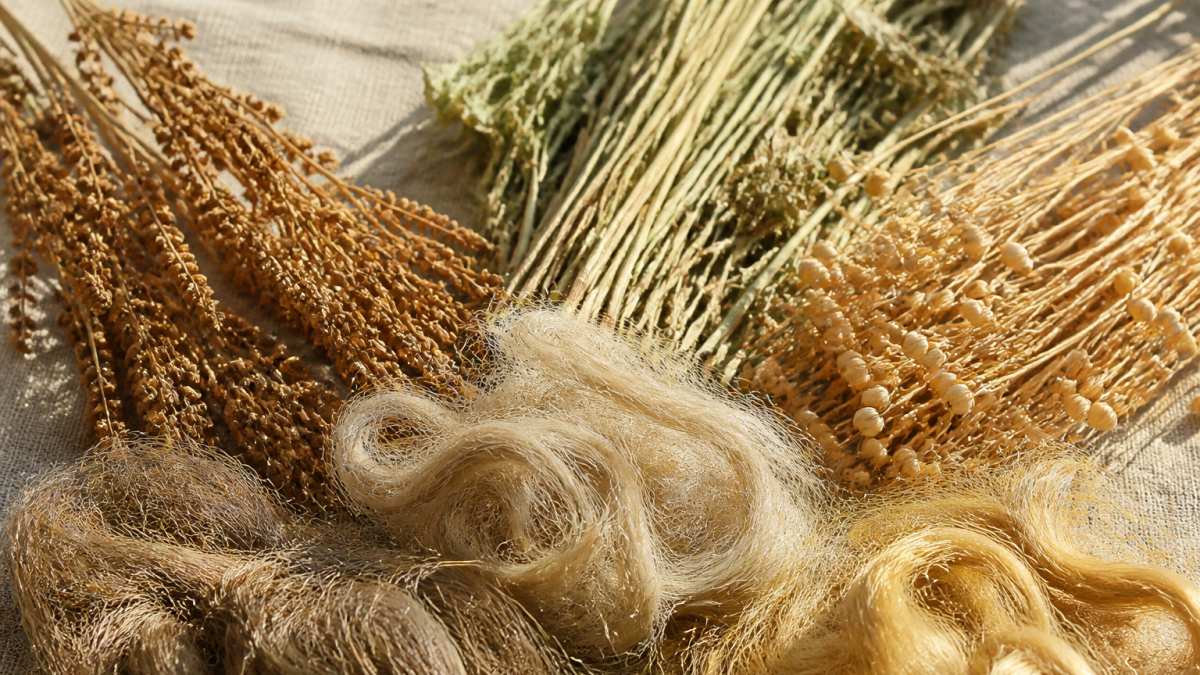
Nettle, hemp, and flax represent the most established plant fiber options for sustainable fur alternatives. These crops grow with minimal chemical inputs, require less water than cotton, and yield strong, durable fibers suitable for blending into fur-like fabrics.
Nettle fiber, harvested from nettle plants, produces a lightweight yet durable material that holds color well and resists microbial degradation. Hemp fiber offers similar durability with a slightly coarser texture that can be softened through processing.
The practical advantage is that all three are well-established in textile production. Mills have existing infrastructure to process them, making these materials more accessible than newer innovations. For crafters sourcing materials, nettle and hemp blends appear in specialty fabric suppliers more consistently than experimental alternatives.
One limitation: plant fibers alone don't replicate fur's insulating properties or three-dimensional pile structure. Manufacturers typically blend these fibers with synthetic binders or backing materials to achieve fur-like aesthetics.
Agricultural Waste and Coconut-Based Materials
Agricultural waste materials, including corn silk, rice straw, and sugarcane bagasse, offer a circular approach to sustainable fur alternatives. These byproducts would otherwise be burned or discarded, so converting them into textile fibers adds value to farming operations without requiring additional land or water.
Coconut fiber, derived from coconut husks, produces a coarse, durable material that's increasingly used in blended fabrics. The processing is relatively simple compared to synthetic fiber production, and coconut grows abundantly in tropical regions with established harvest cycles.
The benefit here is genuine waste reduction. Using agricultural byproducts means no additional crops are grown solely for fiber production. However, the coarseness of these materials limits their use in high-end fashion applications. They work better in textured, casual pieces or home furnishings where a rougher feel is intentional.
Transportation and processing still carry environmental costs. Moving agricultural waste from harvest sites to processing facilities and then to manufacturers requires energy. For designers committed to local sourcing, this becomes relevant when evaluating total lifecycle impact.
Faux Fur Sustainability: Synthetic Options and Their Trade-Offs
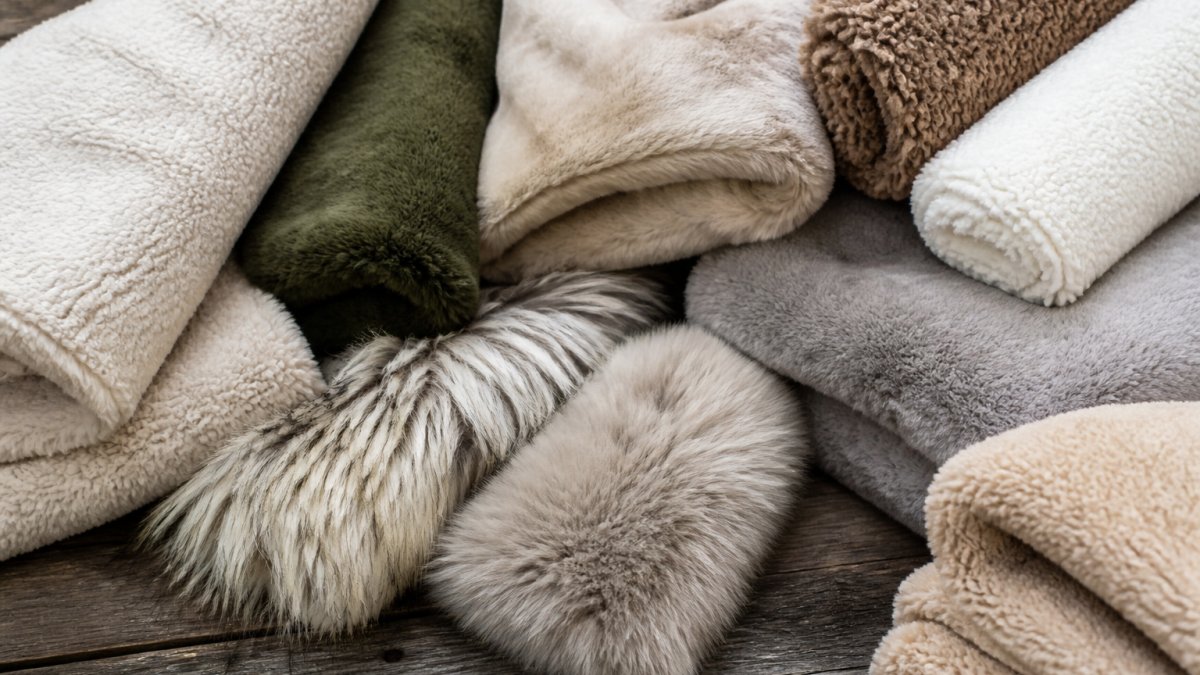
Conventional faux fur, typically made from acrylic or polyester fibers, offers durability and realistic texture but carries significant environmental liabilities. These petroleum-based synthetics shed microplastics during washing and wear, persist in landfills for 500+ years, and require energy-intensive production.
Newer synthetic alternatives attempt to address these concerns. Some manufacturers now produce faux fur from recycled polyester or bio-based polyesters derived from plant sources. SpiritHoods, for example, markets faux-fur products as cruelty-free alternatives, though their materials typically still rely on conventional synthetic fibers without detailed transparency on biodegradability or microplastic shedding.
The core trade-off: synthetic faux fur excels at durability, softness, and realistic appearance. It maintains its structure through repeated wear and washing far better than plant-based alternatives.
For fashion applications where performance matters, winter coats, high-wear pieces, professional garments, synthetic faux fur remains the most practical choice if you prioritize longevity. A coat that lasts ten years has lower per-year environmental impact than a plant-based alternative that degrades after three years and requires replacement.
Recycled Faux Fur and Fiber Innovation
Recycled faux fur represents an emerging category where post-consumer or post-industrial polyester gets reprocessed into new fur-like fabrics. This diverts textile waste from landfills while reducing the need for virgin petroleum-based fibers.
The process involves collecting discarded synthetic textiles, breaking them down into fibers, and re-spinning them into new yarn. The resulting material performs similarly to virgin synthetic faux fur, durable, soft, and visually convincing, but with a lower carbon footprint from avoided virgin production.
Availability remains limited. Most recycled faux fur currently comes from specialty suppliers rather than mass-market manufacturers. Pricing typically runs higher than conventional faux fur because the collection and reprocessing infrastructure is still developing.
Savian Naturals exemplifies the innovation direction in this space. The company develops biomaterials used in faux fur applications, as documented in their use in autumn and winter fashion collections.
The limitation is scale. Until recycled faux fur production reaches industrial capacity, it remains a premium option accessible primarily to designers and brands with resources to source specialized materials.
Vintage Fur vs. Faux Fur: Durability and Environmental Context
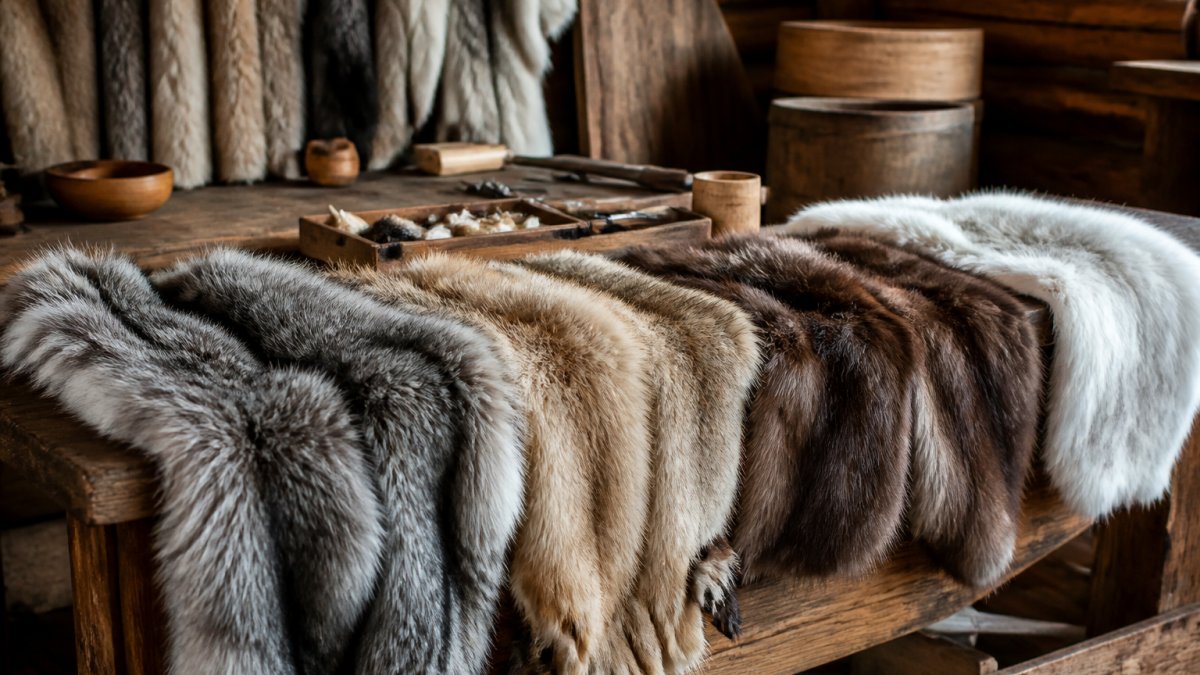
Vintage and ethically sourced animal fur occupies a distinctive position in sustainable fur alternatives discussions. Unlike new fur from industrial farming, vintage fur represents already-harvested material in circulation.
The durability argument favors animal fur. Properly maintained vintage fur garments can last 50+ years, far exceeding the lifespan of most synthetic alternatives. This longevity means lower per-year environmental impact when calculated over the garment's actual use period.
However, durability alone doesn't settle the sustainability question. Vintage fur sourcing raises questions about documentation, traceability, and whether purchasing vintage fur creates indirect demand for new fur production. Additionally, vintage fur requires specialized care, dry cleaning, proper storage, professional repair, which adds ongoing environmental costs.
For crafters and artisans, Ethically Fur provides access to responsibly sourced vintage and ethically harvested fur materials. The marketplace connects you with wild-harvested and ethically farmed products from North American hunters and trappers, offering transparent sourcing that addresses the traceability concern.
The practical consideration: if you're committed to using animal fur, ethical sourcing and vintage options represent more responsible choices than supporting industrial fur farming. Explore the sustainability comparison between wild fur and alternatives in depth to understand how durability and environmental impact factor into your material choices.
Comparison Table: Material Performance and Sustainability Metrics
Material | Durability | Biodegradability | Microplastic Shedding | Best For | Primary Limitation |
|---|---|---|---|---|---|
Nettle/Hemp/Flax Blend | Moderate (3-5 years) | High (1-3 years) | Low to None | Casual wear, eco-conscious projects | Limited insulation, requires synthetic backing |
Agricultural Waste Fiber | Moderate (3-5 years) | High (1-3 years) | Low to None | Textured pieces, home goods | Coarse texture, limited fashion applications |
Conventional Synthetic Faux Fur | High (7-10+ years) | Very Low (500+ years) | High during washing | Winter wear, high-performance pieces | Microplastics, landfill persistence |
Recycled Faux Fur | High (7-10+ years) | Very Low (500+ years) | High during washing | Sustainable synthetics seekers | Limited availability, premium pricing |
Vintage/Ethically Sourced Fur | Very High (50+ years) | Very High (<1 Year) | None | Long-term investment pieces | Specialized care requirements, sourcing documentation |
Animal Welfare, Cruelty-Free Certification, and Ethical Sourcing
The ethical dimension of sustainable fur alternatives extends beyond environmental impact to animal welfare considerations. Conventional fur farming raises documented concerns about animal confinement, stress, and slaughter practices. Plant-based and synthetic alternatives eliminate these concerns entirely.
Cruelty-free certification provides third-party verification that products meet specific animal welfare standards. Organizations like PETA and Leaping Bunny maintain certification programs that verify companies don't test on animals and don't source from fur farms.
For crafters and designers sourcing materials, the sourcing documentation becomes critical. Ethically Fur addresses this directly through its marketplace model, offering wild-harvested and ethically farmed products from documented North American hunters and trappers.
The practical reality: if you're using any animal-derived materials, understanding the source matters significantly. Vintage fur from unknown origins lacks this transparency.
Plant-based and synthetic alternatives eliminate this concern entirely. They offer the certainty that no animals were involved in production, which appeals strongly to vegan designers and animal welfare advocates.
Durability, Care, and Garment Lifespan
Garment longevity fundamentally shapes sustainability. A coat worn for twenty years has dramatically lower environmental impact per year of use than one worn for three years and discarded.
Plant-based fur alternatives typically last 3-5 years with normal wear. The fibers break down gradually, the backing deteriorates, and the material loses its pile structure. This shorter lifespan means higher replacement frequency and total environmental cost over a decade.
Synthetic faux fur maintains structure for 7-10+ years.
Vintage animal fur, when properly maintained, lasts 50+ years or longer. However, this requires professional dry cleaning, proper storage away from heat and humidity, and periodic professional repair.
Care instructions matter practically. Plant-based fur alternatives often require gentler handling and more frequent washing, which increases water use and detergent impact.
For crafters making items for resale or long-term use, considering durability and care requirements helps you communicate realistic lifespans to customers.
Choosing sustainable fur alternatives requires balancing durability, environmental impact, animal welfare, and practical performance. Plant-based options offer genuine biodegradability and renewable sourcing but trade off durability.
Browse Listings on Ethically Fur to explore wild-harvested and ethically farmed materials that meet rigorous sourcing standards.
Frequently Asked Questions
What can I use instead of animal fur?
Sustainable fur alternatives include plant-based materials like nettle, hemp, and flax fibers; recycled synthetic fabrics from reclaimed textiles; bio-based options like PLA derived from corn; and vintage fur pieces already in circulation. Each offers different performance characteristics. Plant-based materials tend to biodegrade more readily, while recycled faux fur reduces new plastic production. Vintage fur extends the life of existing garments, avoiding new resource extraction. Your choice depends on whether you prioritize biodegradability, durability, or minimizing new material demand.
Is faux fur sustainable?
Traditional faux fur is made from synthetic fibers like polyester, which shed microplastics and take decades to decompose. However, faux fur sustainability has improved with innovations in recycled fiber blends and bio-based alternatives. Recycled faux fur reduces landfill waste and virgin plastic demand. The sustainability of any faux fur depends on its fiber source, manufacturing process, and end-of-life disposal. Look for certifications or transparency about material sourcing to assess true environmental impact.
Are plant-based fur alternatives biodegradable?
Most plant-based fur alternatives are biodegradable under proper composting conditions, though the timeline varies. Pure plant fibers like flax, hemp, and nettle break down faster than synthetic blends. However, biodegradability depends on the dyes, finishes, and backing materials used in production. Many plant-based fur products include synthetic components for durability and water resistance, which slows decomposition. Check product labels or manufacturer specifications to understand the full material composition and disposal recommendations.
How do I know if a fur alternative is ethically sourced?
Look for third-party certifications, transparency about material sourcing, and clear documentation of production practices. Reputable suppliers provide information about fiber origins, farming methods, and labor standards. For wild-harvested or ethically farmed animal materials, verification from North American hunters and trappers ensures responsible sourcing. Request proof of sourcing from sellers before purchasing. Platforms that prioritize transparency and direct seller connections help you trace materials back to their origin.
What's the difference between recycled faux fur and conventional faux fur?
Recycled faux fur is made from reclaimed textiles, plastic bottles, or post-consumer waste, reducing virgin plastic production and landfill impact. Conventional faux fur uses newly manufactured synthetic fibers, typically polyester. Recycled options often perform similarly in terms of warmth and appearance but carry a lower environmental footprint. Recycled faux fur may cost more due to collection and processing, but it diverts waste from landfills and reduces microplastic shedding over time as manufacturing improves.