 comparison
Hide and Fur Alternatives for Crafters: Complete 2026 Guide
Table of Contents
- Synthetic vs. Natural Fur Alternatives: Key Differences
- Synthetic Fur Alternatives for Costumes and Cosplay
- How to Tan a Hide at Home: Step-by-Step
- Ethically Sourced Pelts for Crafters: How to Verify and Buy
- Sourcing Faux Fur and Synthetic Fibers: A Buyer's Guide
- Sewing and Construction Techniques for Fur and Faux Fur
- Caring for Your Fur Projects: Maintenance and Longevity
- Frequently Asked Questions
Last Updated: September 29, 2026
Synthetic vs. Natural Fur Alternatives: Key Differences
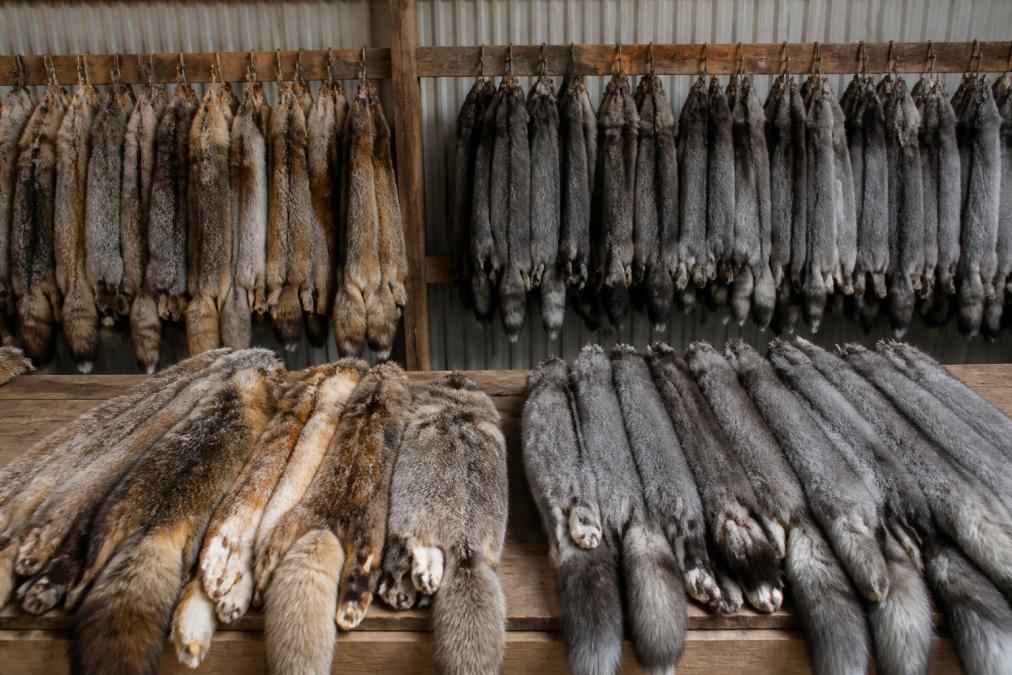
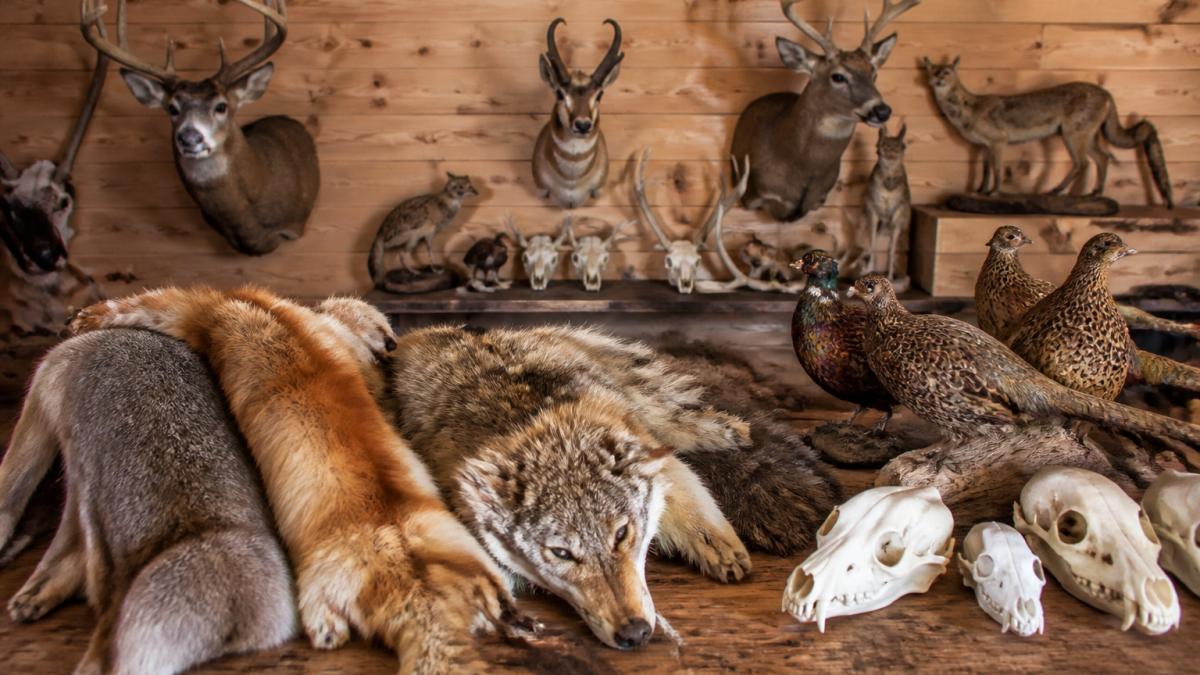
Fur alternatives fall into two camps: synthetic textiles made from petroleum-based fibers, and natural hides from wild or farmed animals. Neither is automatically better, the right choice depends on your project, budget, and how the material will be used.
Synthetic Fur Alternatives for Costumes and Cosplay
For costumes and cosplay, synthetic fur wins on cost and flexibility: buy it by the yard, dye it, cut it without worrying about waste, and replace it cheaply if damaged.
How to Tan a Hide at Home: Step-by-Step
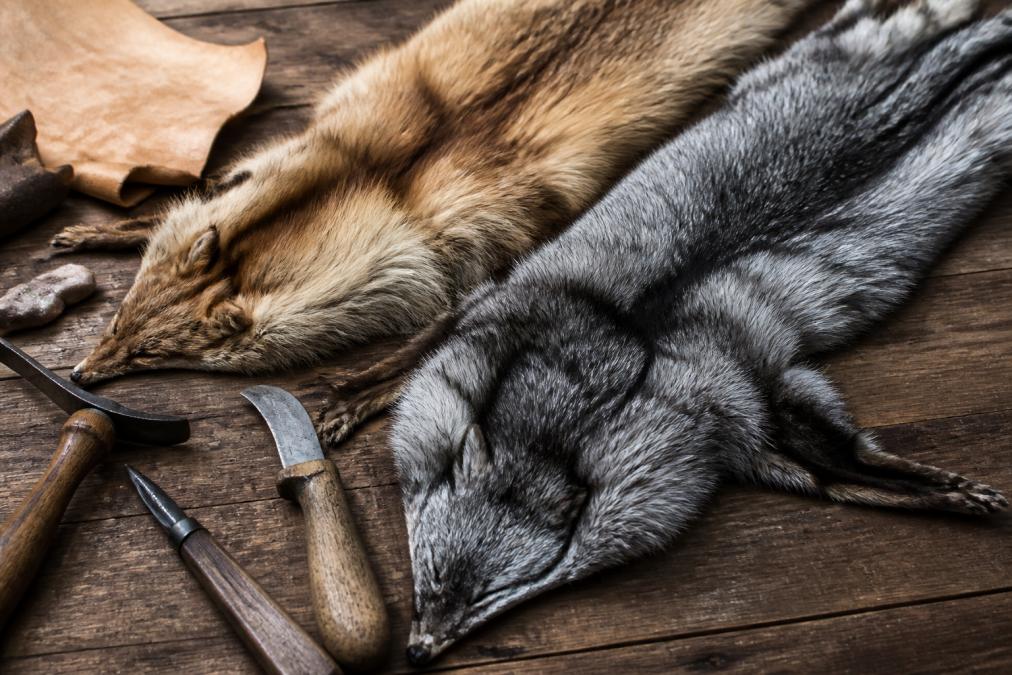
Home tanning is a multi-day process. Here is the sequence most crafters follow:
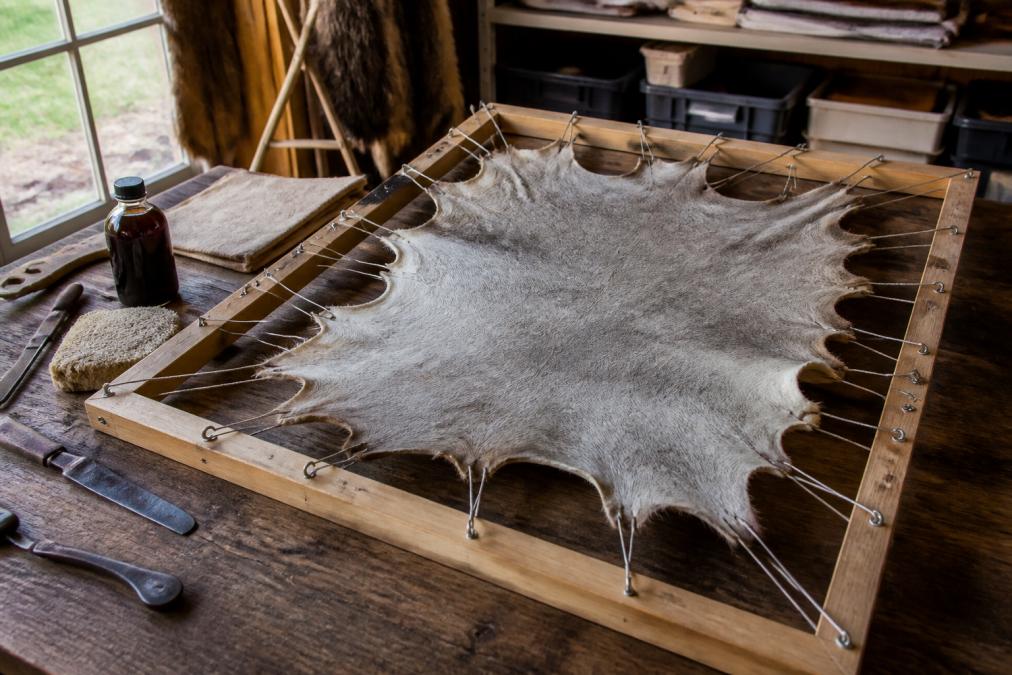
- Flesh the hide. Remove all membrane and fat within 24 hours of harvest. Any left-behind tissue invites rot.
- Salt or freeze immediately. If you can't start tanning right away, salt heavily or freeze. Do not leave a raw hide at room temperature.
- Soak and rehydrate. For dried hides, soak in clean water until pliable.
- Apply your tanning method. Brain, bark, or a commercial tanning agent.
- Work the hide while drying. Stretch and flex it repeatedly as it dries. This is what keeps it soft.
- Smoke or finish. Smoking locks in softness and adds pest resistance.
Brain Tanning vs. Bark Tanning: Which Method Works for You?
Brain tanning produces the softest, most workable hide, favored for clothing and pouches. It relies on lecithin in the brain matter to preserve the skin, but takes serious physical effort and constant working while drying.
Common Mistakes in Home Hide Processing
The biggest failure point is timing: hides left unfleshed for more than a day often develop bacteria no amount of tanning will fix.
Other frequent errors:
- Over-salting without proper drainage, which traps moisture
- Using dirty water during soaking, which stains the hide
- Skipping the smoking step, then wondering why moths find the finished piece
- Drying too fast in direct heat, which causes cracking
Ethically Sourced Pelts for Crafters: How to Verify and Buy
Verification is the hard part of buying natural fur. Any seller can claim "ethically sourced." Fewer can show you how.
Questions to Ask Before You Buy
Before you commit to a supplier, get straight answers to these:
- Who harvested this, and where? A real seller can tell you the region and the method.
- Is the harvest legal and in-season? Ask for documentation if you're unsure.
- How was it stored? Frozen, salted, or dried tells you a lot about quality.
- Can I see the actual pelt? Photos of the specific item, not a stock image.
- What's the return policy if the grade is wrong?
Sourcing Faux Fur and Synthetic Fibers: A Buyer's Guide
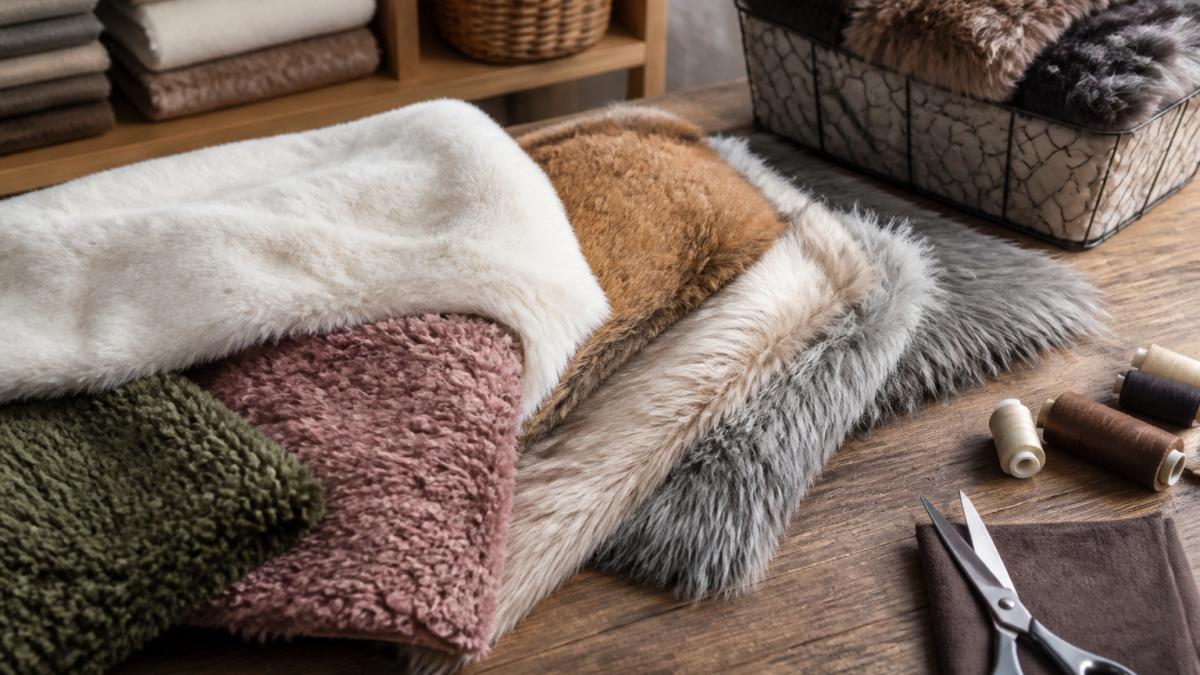
Pile length, backing material, and fiber density decide how a faux fur performs. The fastest way to choose is comparing texture side by side, since two fabrics with the same pile length can behave completely differently depending on fiber type, sheen, and weight.
Visual Texture Comparison: Pile, Sheen, and Weight
Use this table when you order swatches. Pile length is in millimeters; weight is in grams per square meter (GSM). Sheen describes how fiber reflects light, matte reads as more realistic fur, while high-sheen looks synthetic under stage lights.
Fiber / Style | Typical Pile Length | Sheen | Approx. Weight | Hand Feel | Best For |
|---|---|---|---|---|---|
Short-pile acrylic | Under 10 mm | Low to medium | 250-350 GSM | Flat, dense | Lining, trim, small accents |
Medium-pile modacrylic | 10-25 mm | Medium | 350-500 GSM | Soft, springy | Costumes, plush toys |
Long-pile acrylic | 25 mm+ | Medium to high | 500-800 GSM | Heavy, drapey | Statement garments, manes |
Tissavel premium | Varies (often 15-40 mm) | Low (matte) | 400-700 GSM | Silky, dense | Photo-realistic projects |
Polar Fibre (fly tying) | 20-40 mm staple | Low | N/A (loose fiber) | Fine, mobile | Streamers, fine craft work |
A few practical notes on reading the table:
- Pile length alone doesn't predict realism. A 20 mm matte modacrylic often looks more like real fur than a 30 mm high-sheen acrylic, because sheen is what gives away synthetics in photographs.
- Weight affects drape and sewing difficulty. Anything above 500 GSM behaves like upholstery fabric, you'll need a walking foot and a heavy needle.
- Backing material matters as much as the pile. A woven backing holds shape and resists stretching. A knit backing is softer but can distort under weight. For structured projects, choose woven.
- Color on a screen rarely matches color in hand. Sheen varies wildly between manufacturers, so always order a swatch before committing to yardage.
Fiber Types: What You're Actually Buying
Most faux fur is built from one of three fiber families:
- Acrylic, the most common and least expensive. Holds dye well, but has a distinct sheen and can pill over time.
- Modacrylic, flame-resistant and softer than acrylic, with a more matte finish. Common in higher-end costume fur.
- Polyester, durable and colorfast, but often stiffer and shinier than the other two. Better for outdoor or utility projects than for realistic pelts.
How to Evaluate a Swatch Before You Buy
When your swatch arrives, run these four checks:
- Brush the pile against the nap. If fibers shed heavily, the fabric will shed on your finished piece too.
- Hold it under the light you'll display it in. Stage lighting and camera flash reveal sheen that looks fine in daylight.
- Fold it and press. A good faux fur springs back; a cheap one creases and stays creased.
- Check the backing. Stretch it gently, if it distorts easily, it will distort when sewn.
Sewing and Construction Techniques for Fur and Faux Fur
Fur is unforgiving to sew badly, the pile hides some mistakes and magnifies others. These are the tools and techniques that separate a clean finished piece from a shedding, lopsided one.
Cutting: Never Through the Pile
Cut from the back of the fabric only, never through the pile. Use a craft knife or small scissors to part the pile and cut the backing, keeping fibers out of your seams and preventing an uneven edge. Cutting through the pile with shears leaves a ragged edge and sends loose fibers everywhere.
Matching Nap Direction
Match the nap direction across every pattern piece. Run your hand along the pile: it should flow the same way on every panel, or the finished piece looks patchy under light. Mark nap direction on each pattern piece with a chalk arrow before cutting, and keep those arrows aligned when laying out fabric.
Needles, Thread, and Machine Settings
Fur and faux fur need heavier equipment than standard garment sewing:
- Needle: Use a size 90/14 or 100/16 universal or leather needle for medium to long pile. A standard 70/10 needle will bend or break in thick fur.
- Thread: Polyester all-purpose thread works for most projects. For heavy long-pile fur, step up to a heavier polyester or nylon thread.
- Stitch length: Lengthen your stitch to 3.0-4.0 mm. Short stitches perforate the backing and cause tearing.
- Presser foot: Use a walking foot. Fur has thickness and drag that a standard presser foot can't handle, and a walking foot feeds the top and bottom layers evenly.
- Machine cleaning: Brush out the bobbin area after every project. Loose fibers accumulate fast and cause tension problems.
Seam Construction
Fur seams are thick, so reduce bulk wherever possible:
- Trim the pile from seam allowances before sewing. Cut the fibers short along the seam line so the seam lies flat.
- Sew with the nap, not against it. Feeding the fabric nap-down reduces drag and produces a cleaner seam.
- Reinforce stress points by hand. Underarms, crotches, and bag handles take the most strain, backstitch or bar-tack these areas.
- Baste before final stitching. Basting saves hours of unpicking, especially on curved seams.
Finishing Edges
Caring for Your Fur Projects: Maintenance and Longevity
Real and synthetic fur need different care, and getting it wrong shortens the life of both.
Frequently Asked Questions
What can I use as a substitute for fur in crafting?
For crafting, you can substitute real fur with high-quality faux fur made from synthetic fibers like acrylic or modacrylic. These materials mimic the texture and appearance of real fur without using animal products. For fly tying, synthetic fibers such as Polar Fibre offer similar movement and durability. If you prefer natural alternatives, ethically sourced pelts from responsible hunters and trappers are an option. Each substitute has trade-offs in terms of cost, durability, and thermal properties, so choose based on your project's needs.
Are there legal restrictions on buying and selling wild-harvested hides in the US?
Yes, legal restrictions vary by state and species. The Lacey Act prohibits trafficking illegally taken wildlife, and many states require licenses for trapping and selling hides. Federally protected species like bald eagles cannot be sold. Before buying or selling wild-harvested hides, check your state's fish and wildlife regulations. Reputable marketplaces like Ethically Fur ensure sellers comply with these laws, providing documentation when available. Always ask for proof of legal harvest to avoid penalties.
How can crafters identify responsibly sourced fur products?
Look for transparency from the seller. Responsible sources provide details on where and how the animal was harvested, including state or tribal licenses. They may offer documentation such as trapping permits or tags. Ethically Fur connects buyers directly with North American hunters and trappers who follow fair chase and sustainable practices. Ask about the seller's sourcing policy, and avoid listings that lack clear origin information. State trapper association memberships can also indicate responsible sourcing.
What is the difference between faux fur and craft fur?
Faux fur is a synthetic fabric designed to imitate real animal fur, typically made from acrylic or modacrylic fibers on a knit backing. It's used for garments, costumes, and home decor. Craft fur, often used in fly tying, refers to shorter-fiber synthetic materials like craft fur or bucktail substitutes that provide movement in water. While both are synthetic, faux fur prioritizes appearance and warmth, whereas craft fur focuses on action and durability for fishing lures. Choose based on your project's requirements.
Are fur coats still in style in 2026?
Fur coats remain a niche fashion choice in 2026, with a growing preference for vintage or faux fur options. Many designers now offer synthetic alternatives that replicate the look without animal products. For crafters, the trend leans toward sustainable and cruelty-free materials, including upcycled fur and ethically sourced pelts. While real fur is less prominent in mainstream fashion, it retains a market among those who value natural materials and traditional craftsmanship. Ethically Fur serves this demand by connecting buyers with responsibly sourced products.