 comparison
Etsy Alternative for Raw Fur Materials: 2026 Guide
Table of Contents
- Why Crafters Are Looking for an Etsy Alternative for Raw Fur Materials
- What Buyers Mean by Raw Fur Materials
- Marketplace Comparison: Where to Find Raw Fur Pelts for Sale
- How to Spot Ethically Sourced Fur Pelts
- Fur Crafting Supplies: Matching Material to Project
- Choosing Fur for Taxidermy and Fursuit Projects
- Quality Checks, Shipping, and Seller Reliability
- Conclusion: Picking the Right Marketplace for Your Fur Projects
- Frequently Asked Questions
Last Updated: October 20, 2026
Why Crafters Are Looking for an Etsy Alternative for Raw Fur Materials
Searching for an Etsy alternative for raw fur materials used to start with a frustrating order. The listing photo shows a clean, thick pelt. What arrives is thin, patchy, or nothing like the description. It is a structural problem with typical marketplaces built around handmade goods. General handmade marketplaces are built for jewelry, prints, and candles. Raw fur pelts for sale sit awkwardly inside those systems, with vague listings and sellers who may never have handled a pelt themselves. Of course, recently, the issue has gone much deeper with Etsy completely banning fur products in August 2026 and other platforms starting to follow suite.
Below, we break down where to buy, what to check before you pay, and how to match material to project.
What Buyers Mean by Raw Fur Materials
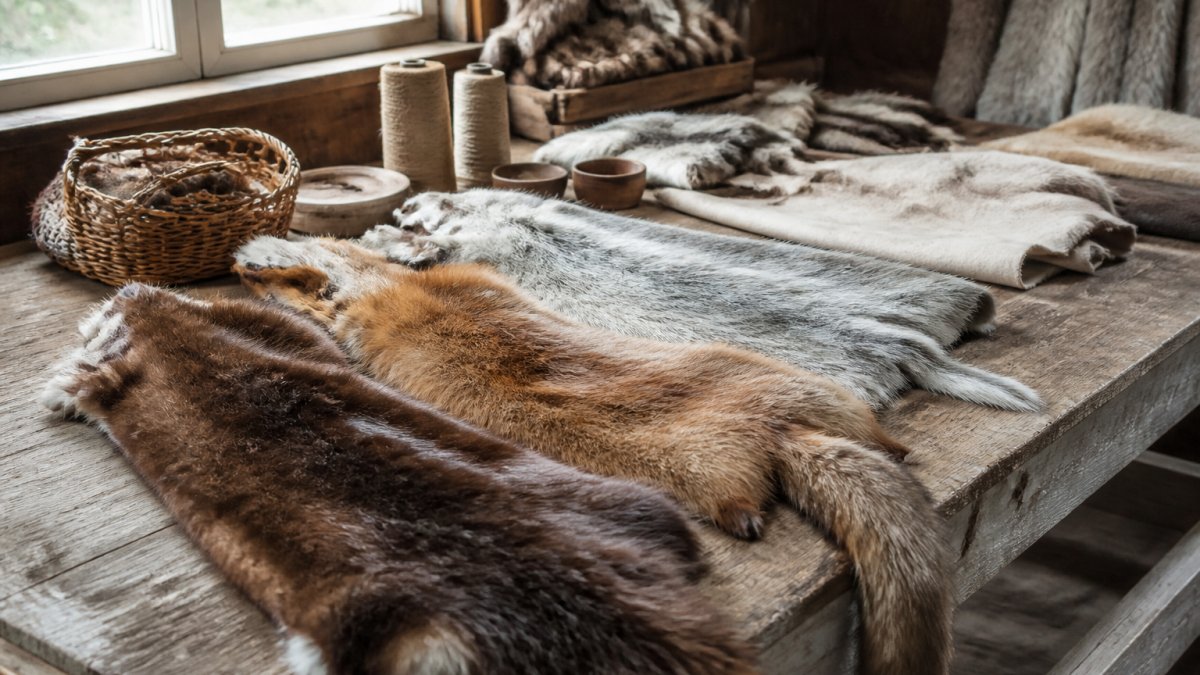
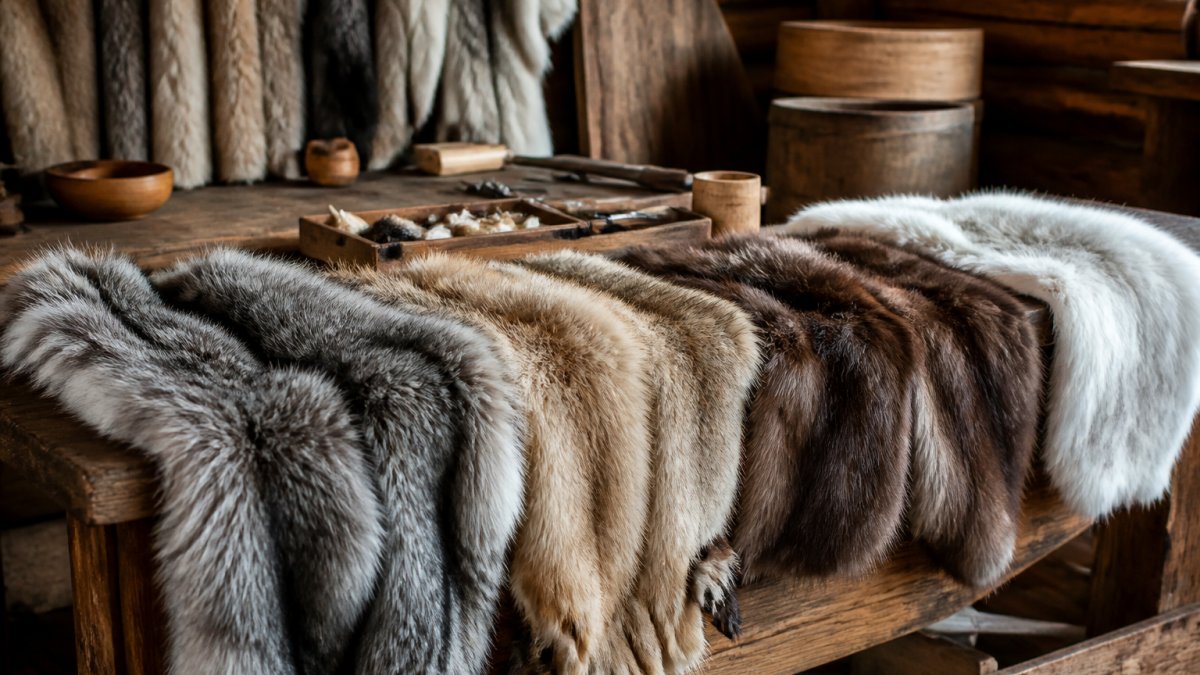
Raw fur materials is a catch-all phrase, and that ambiguity causes most buying mistakes. The term covers several distinct product types that behave differently in the workshop.
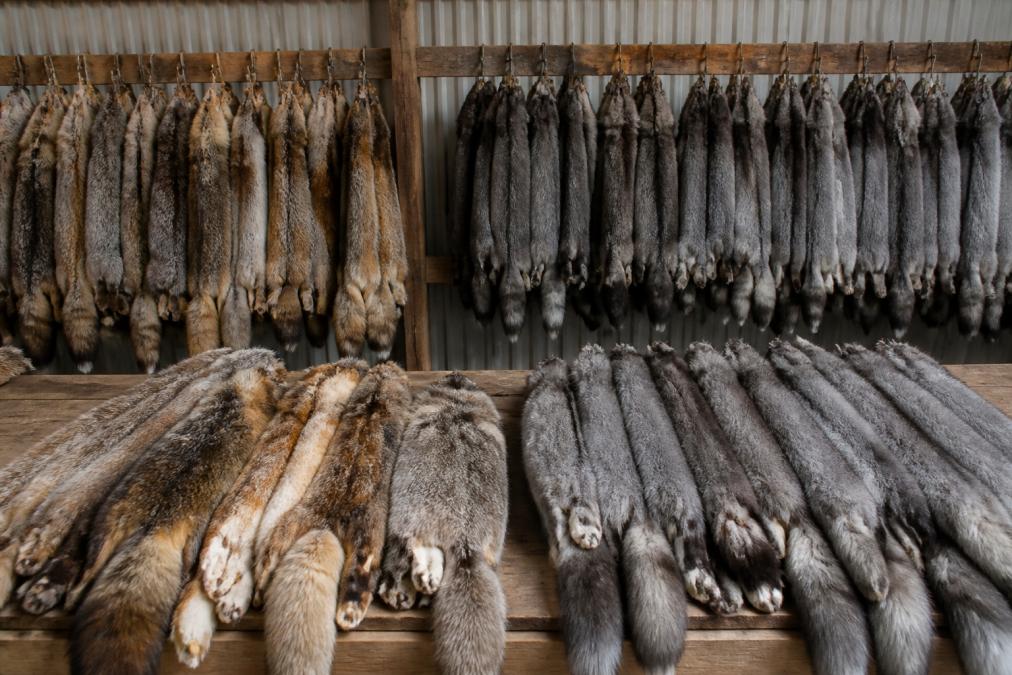
- Raw pelts: Skinned, fleshed, and usually dried or tanned hides with fur attached.
- Fur scraps and remnants: Offcuts sold by weight or bag, ideal for small projects.
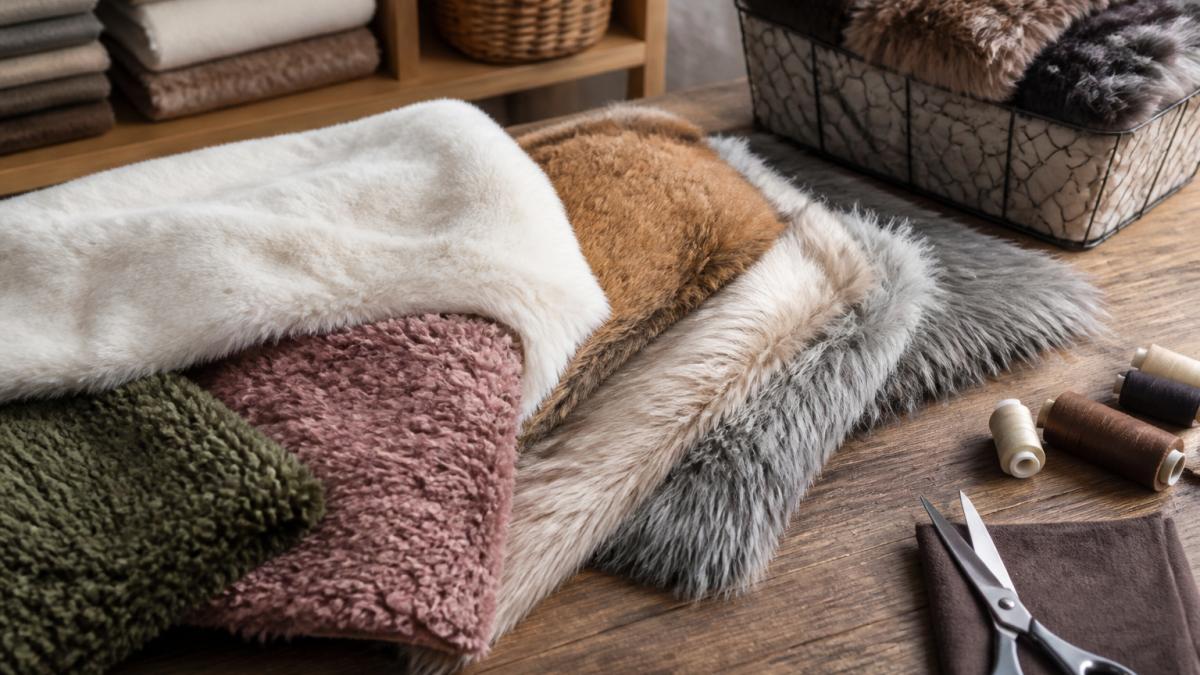
- Fur fabric and plush fabric: Manufactured material with a knit or woven backing.
- Tails, ears, and trim pieces: Small components for fly tying and accents.
A crafter searching for fur fabric and a taxidermist searching for a tanned pelt are using the same words for different products. Clarify which one you need before you compare sellers.
Marketplace Comparison: Where to Find Raw Fur Pelts for Sale
No single marketplace wins on every measure.
Ethically Fur is our recommendation for buyers who care where the material came from.
eBay offers the widest selection and the least structure. You can find fur scraps, vintage pelts, and taxidermy pieces, but listing quality varies enormously and they have some minimal restrictions for some fur products at the moment.
Shopify is not a marketplace at all. It is a storefront platform for sellers who want their own branded shop.
Amazon Handmade reaches a large audience but is built for finished handmade goods.
Goimagine enforced strict handmade requirements, which suited makers selling crafted fur goods but raw pelts were somewhat outside its scope. Unfortunately, Goimagine ceased operation in April 2026 after failing to reach enough customers for continued operation.
Marketplace Comparison:
Marketplace | Material Focus | Typical Quantity | Sourcing Verification | Best For |
|---|---|---|---|---|
Ethically Fur | Raw pelts, tanned pelts, finished goods, trapping supplies | Single units to small batches | Vetted ethical sourcing | Crafters and taxidermists who need traceable material |
eBay | Broad and unverified, pelts, scraps, vintage, taxidermy | Single pieces to lots | None | Buyers hunting rare or vintage pieces |
Shopify | Seller-defined | Seller-defined | Seller-defined | Buyers reordering from a trusted maker's own store |
Amazon Handmade | Finished handmade goods | Single items | Limited | Makers reaching a large audience |
Goimagine | Strictly handmade | Single items | Handmade rules | Nothing - Now closed |
Matching the Platform to the Material
The table above is a starting point, not a verdict. Use these pairings to narrow the field before you compare individual sellers:
- Taxidermy pelts (tanned, graded, measured): prioritize platforms where the seller can state grade, measurements, and tanning method. Ethically Fur is built for this; eBay requires you to extract the same details through messages.
- Raw (untanned) pelts: confirm preservation status and shipping care before paying. Untanned hides degrade quickly, so a platform with vetted sellers and clear listing standards reduces risk.
- Fur scraps and remnants for small crafts: sold by weight or bag, and often the best value on broad marketplaces where sellers move offcuts. Ask for the bag weight and a photo of the actual lot.
- Faux fur and plush fabric for fursuits and toys: sold by the yard, usually from fabric-focused sellers rather than fur specialists. Order a swatch first to check pile length, backing, and color.
- Tails, ears, and trim for fly tying and accents: small components where species and patch size matter more than platform. Confirm the exact patch dimensions before ordering.
A crafter buying a bag of scraps and a taxidermist buying a graded pelt are not shopping for the same thing, even when both type "raw fur" into a search bar. Decide which row of that list you are in first, then compare sellers within it.
How to Spot Ethically Sourced Fur Pelts
Ethically sourced fur pelts come with a paper trail. Ask the seller how the animal was harvested, who processed the hide, and whether the pelt was tanned or only dried. A seller who cannot answer those questions is a risk.
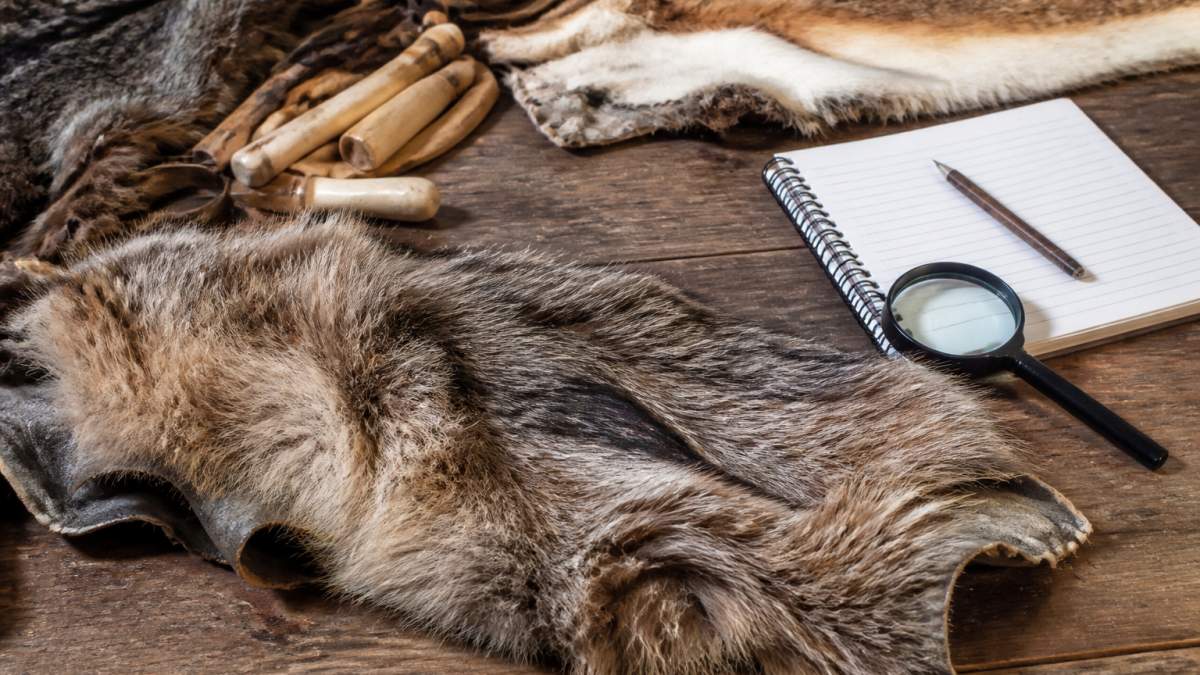
Look for listings that state the harvest method, region, and species plainly. Vague descriptions like "sourced responsibly" without detail are a warning sign. Reputable sellers welcome questions and can explain their process in plain language.
Fur Crafting Supplies: Matching Material to Project
Fur crafting supplies should be chosen backward from the finished object. A toy needs soft, short-pile fur that sews cleanly. A wall mount needs a full pelt with intact guard hair. A fly pattern needs a specific tail or patch.
Pile length drives most decisions. Short pile suits small sewn items and trim. Long pile reads as luxury but sheds more and is harder to shave evenly.
Backing matters too. Fur fabric with a stable woven backing holds shape; loosely knit backing stretches under a needle. For hand sewing, a firmer backing saves hours of frustration.
Choosing Fur for Taxidermy and Fursuit Projects
Fur for taxidermy and fur for fursuit making are different purchases. Taxidermy demands real pelts with correct anatomy, proper tanning, and consistent color across a life-size mount. Fursuit makers usually want faux fur or plush fabric with predictable pile direction and a backing that survives heavy stitching.
For taxidermy, request the grade and the measurements before buying. A pelt graded for a shoulder mount will not cover a life-size form. Ask for photos of the actual specimen, not a stock image.
For fursuits, order a sample swatch first. Color matching across dye lots is the most common failure point, and a sample saves you from a mismatched yardage order.
Quality Checks, Shipping, and Seller Reliability
Shipping and returns decide more fur purchases than price does. Fur is bulky, and a poorly packed pelt can crease or tear in transit. Before ordering, confirm how the seller packs pelts, whether shipping is insured, and what the return window covers. The framework below turns those questions into a repeatable checklist you can apply to any seller on any platform.
Quality Checks Before You Pay
Assess the material against the specific product type, because the failure modes differ:
- Backing (faux fur and fur fabric): a stable woven backing holds shape and survives heavy stitching; a loosely knit backing stretches under a needle. Ask the seller to describe the backing or send a close-up of the reverse side.
- Shedding: long-pile faux fur sheds more than short pile, and loose fibers are a common complaint. Ask whether the seller has noticed shedding on the specific lot and request a photo of the material after a light brush.
- Pile density and length: density determines whether the fur reads as plush or thin, and pile length drives shaving and sculpting decisions. Request a measurement of pile length in inches rather than relying on a photo.
- Color accuracy: dye lots vary, and screen calibration makes photos unreliable. Ask for a photo in natural light and, for yardage orders, a physical swatch before committing.
- Tanning status (real pelts): confirm whether the pelt is tanned, dried, or raw. Untanned hides require immediate preservation work, and a pelt shipped without care will arrive degraded.
- Grade and measurements (taxidermy): request the grade and the measurements before buying. A pelt cut for a shoulder mount will not cover a life-size form. Ask for photos of the actual specimen, not a stock image.
Shipping and Returns
Fur is a bulky, sometimes fragile purchase, so treat shipping terms as part of the product:
- Packing method: ask how pelts are folded, rolled, or boxed. A pelt creased in transit can be difficult to reshape, and a poorly packed hide can tear.
- Insurance: confirm whether shipping is insured and who files the claim if the item arrives damaged.
- Return window: check what the return window covers, wrong item, damage in transit, or simply not as described. Fur is often sold as a final-sale item, so confirm before paying.
- Delivery cost: fur is bulky, and shipping can rival the item price on large pelts. Ask for a shipping quote to your address before committing to a lot.
Seller Reliability
Seller reliability shows up in response time and in how clearly the seller answers sourcing questions. A seller who answers sourcing questions within a day is likely to handle a problem well. Check whether the platform holds payment until delivery or leaves disputes to the buyer.
For buyers comparing suppliers, the U.S. Fish and Wildlife Service guidance on wildlife products explains the permits and documentation that can apply to certain species. The FTC's online shopping guidance covers your rights when an order arrives not as described. Sellers listing on marketplaces should also review the Better Business Bureau's standards for online sellers on clear product descriptions.
A Quick Pre-Purchase Checklist
Run every prospective order through these questions before you pay:
- Does the listing state the material type (pelt, scrap, faux fur, trim) and quantity in measurable terms?
- For pelts: is tanning status, grade, and measurement stated?
- For faux fur: is pile length, backing type, and color described, and is a swatch available?
- Is the packing method described, and is shipping insured?
- What does the return window cover, and is the item final sale?
- Does the seller answer sourcing questions in plain language within a day?
If a seller cannot answer most of these, that is your answer, move on.
Conclusion: Picking the Right Marketplace for Your Fur Projects
The right marketplace depends on what you are making and how much proof you need. Buyers who want traceable, ethically sourced material and direct contact with North American sellers will find the strongest fit at Ethically Fur. Our platform offers wild-harvested and ethically farmed products, a marketplace built for trappers, hunters, and ethical fur sellers, and a browsing experience you can filter to your exact project.
Start with a small order, inspect the material, and build from there. Browse our listings to find the pelts and supplies that match your next project.
Frequently Asked Questions
Where can I buy raw fur materials online?
Specialized marketplaces like Ethically Fur connect buyers directly with North American hunters, trappers, and ethical sellers. General platforms such as eBay and Amazon Handmade list some fur items, but raw pelt categories and sourcing standards are not always verified. For taxidermy, crafting, and fly-tying projects, a dedicated marketplace gives you clearer sourcing information and better material descriptions. Always check seller documentation and return policies before buying.
How can I tell whether a raw fur pelt is responsibly sourced?
Ask the seller for details on where and how the animal was harvested. Ethically sourced fur pelts typically come from regulated hunting or trapping, with documentation available on request. Look for sellers who describe their sourcing process openly and answer questions about state regulations. Avoid listings that give no origin information or refuse to provide details. A marketplace that prioritizes transparency makes this verification easier.
Are raw fur materials suitable for crafts and taxidermy?
Yes. Raw fur materials work well for taxidermy, fly tying, fursuit making, and sewing projects. The right choice depends on pile length, backing, and softness. Taxidermy requires specific grades and types of pelts for life-size work, while crafters often use fur scraps and remnants for toys and small projects. Check the listing for material type, size, and intended use before ordering.
What should I check before buying a raw pelt online?
Review the listing for material type, pile length, size, and any defects. Confirm the seller's shipping and return policies, since fur materials can be damaged in transit. Ask about sourcing documentation if ethical origin matters to you. Read seller reviews for reliability. On marketplaces like Ethically Fur, direct connection to North American sellers helps you ask questions before committing.