 comparison
Is Wild Fur Sustainable for Crafting? A 2026 Guide
Table of Contents
- Wild Fur Sustainability: What the Evidence Shows
- Real Fur vs Faux Fur Environmental Impact
- Fur Tanning Environmental Impact and Chemical Concerns
- How to Identify Responsibly Sourced Fur
- Wild-Harvested vs Farmed Fur: Which Is Better?
- Sustainable Fur Alternatives for Crafts
- Legal Sourcing and Protected Species Considerations
- Making Your Choice as a Responsible Crafter
- Frequently Asked Questions
Last Updated: October 17, 2026
Wild Fur Sustainability: What the Evidence Shows
Is wild fur sustainable for crafting? It depends on how you source it, process it, and what you compare it against. At Ethically Fur, we work directly with hunters and trappers across North America to connect crafters with wild-harvested pelts that meet genuine ethical standards. The question involves tradeoffs between biodegradability, processing chemicals, carbon emissions, animal welfare, and end-of-life impact.
Most discussions pit natural fur against faux fur as if one is clearly better. Wild-harvested fur from responsibly managed populations can be more sustainable than petroleum-based synthetics in some ways and less in others; understanding those tradeoffs helps you choose.
Real Fur vs Faux Fur Environmental Impact
Most comparisons of real and faux fur cherry-pick one metric, biodegradability, petrochemical content, or land use, and declare a winner. That breaks down for crafters, because a fly-tying patch is not a garment lining.
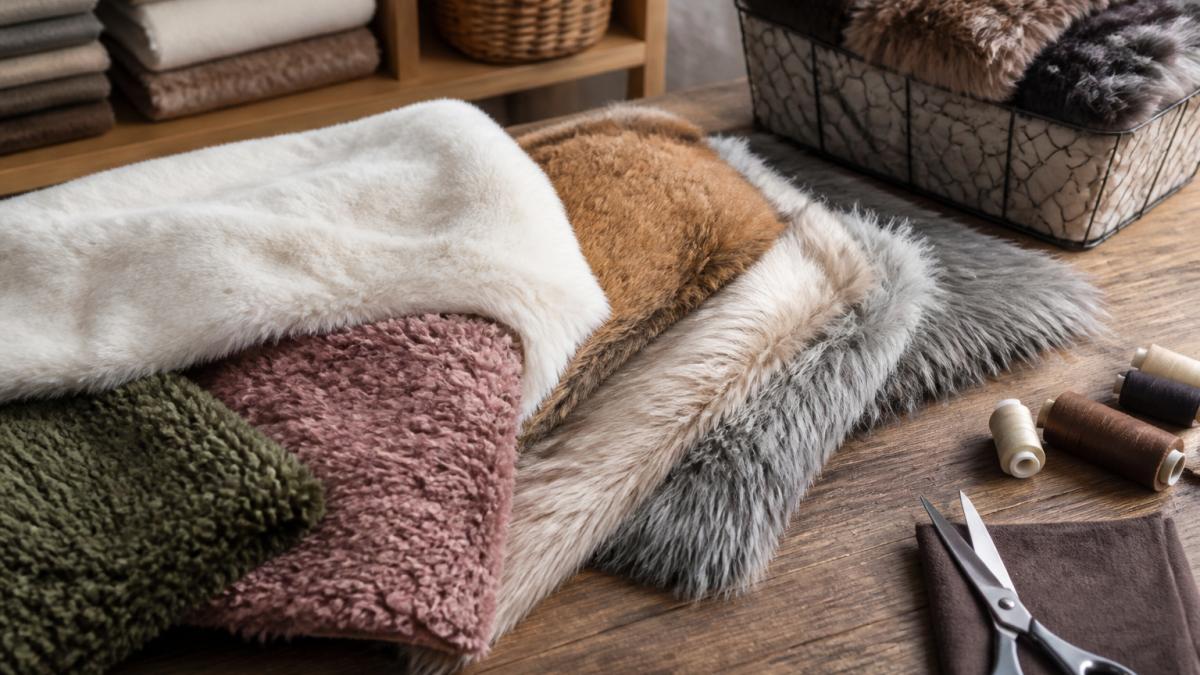
Sourcing. Faux fur begins as polyester, acrylic, or modacrylic fiber derived from petroleum or natural gas; extracting and polymerizing those feedstocks is energy-intensive and carries petrochemical emissions and spill risks.
Processing. This is where the comparison usually goes wrong. Faux fur requires dyeing, finishing, and often a backing fabric, all using synthetic chemicals and energy.
Transport. Faux fur is typically manufactured in Asia and shipped long distances, so its transport footprint is embedded in nearly every yard. Wild fur sourced domestically travels shorter distances, though pelts often go to a tannery and back.
Use. Durability is the stage crafters underestimate. A quality wild pelt can last decades with proper care; faux fur typically sheds and mats within 5-10 years of regular handling, and cheap versions degrade faster.
Disposal. Natural fur is biodegradable and breaks down over time, returning nutrients to soil, though chrome-tanned pelts break down more slowly and can leave residues.
For crafting, project type should drive the decision. Fly-tying, lure-making, and small decorative pieces need specific fiber behavior, rabbit fur, deer hair, squirrel tail, that synthetics approximate but do not match, so responsibly sourced natural pelt is often the practical choice.
Fur Tanning Environmental Impact and Chemical Concerns
How fur is processed affects both environmental impact and the safety of the finished product. Traditional chrome tanning, still the industry standard, uses chromium salts to stabilize collagen fibers. It is efficient and produces durable fur, but generates chromium-laden wastewater that requires careful treatment to prevent soil and water contamination.
Vegetable tanning uses tannins from tree bark. It's slower, more expensive, and less uniform, but avoids synthetic chemicals and creates biodegradable byproducts. Some producers combine it with plant-based natural dyes to further reduce chemical inputs.
Aldehyde-based synthetic tanning is a middle ground: faster than vegetable tanning, with fewer heavy metals than chrome. Newer bio-based agents from plant oils and renewable sources are emerging but remain uncommon and costly.
Dyeing adds another layer of chemical exposure. Conventional synthetic dyes can contain heavy metals and azo compounds; natural dyes from plants, insects, or minerals avoid these risks but produce less vibrant or consistent colors. Some producers use low-impact synthetic dyes meeting stricter environmental standards.
When you source fur through Ethically Fur, ask sellers about their tanning and dyeing methods. Responsible producers document their processes and can explain what chemicals they use and how waste is managed, transparency that matters for both environmental impact and safe handling.
How to Identify Responsibly Sourced Fur
Identifying responsibly sourced fur means knowing the difference between wild-harvested, farmed, and reclaimed pelts, and what to ask sellers.
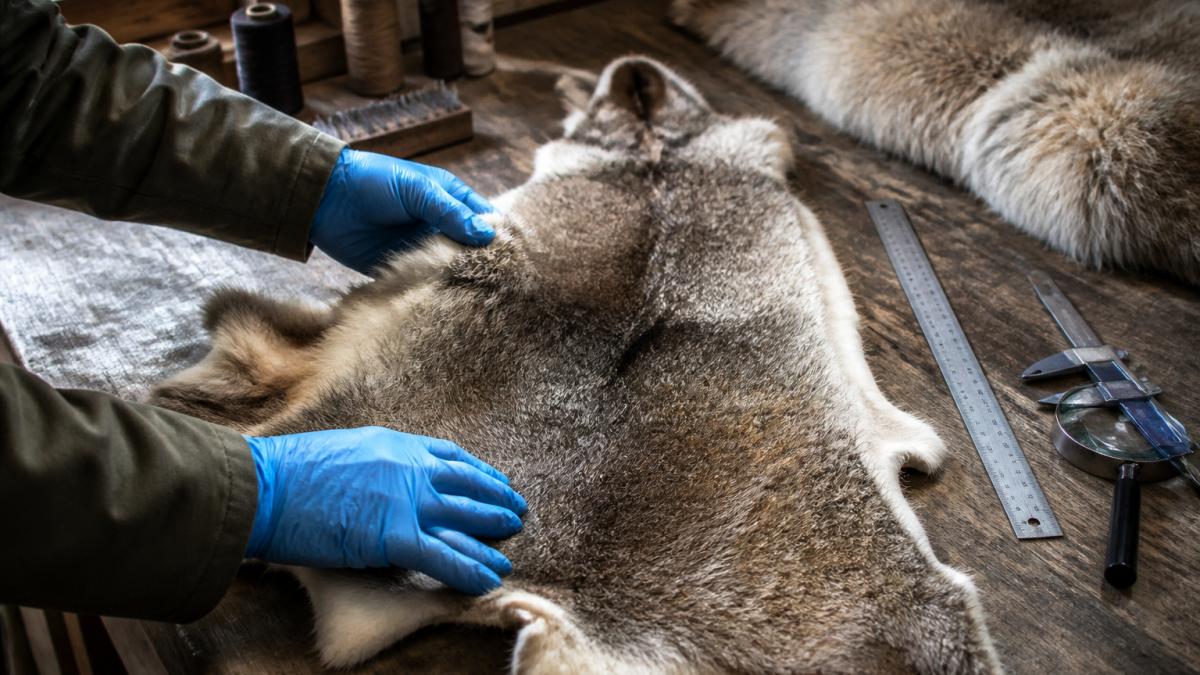
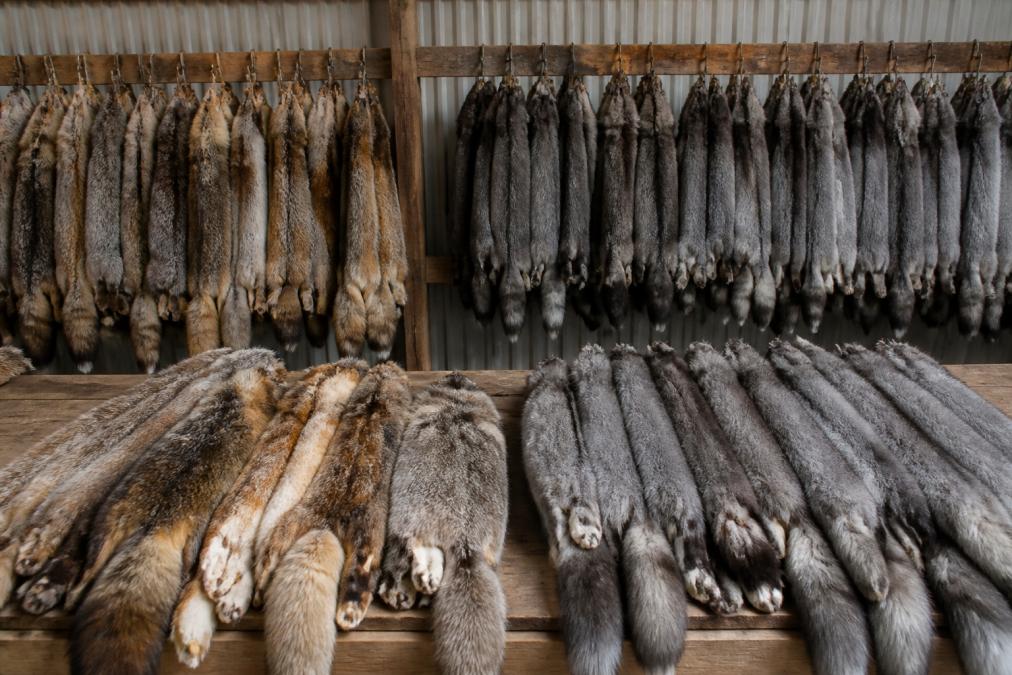
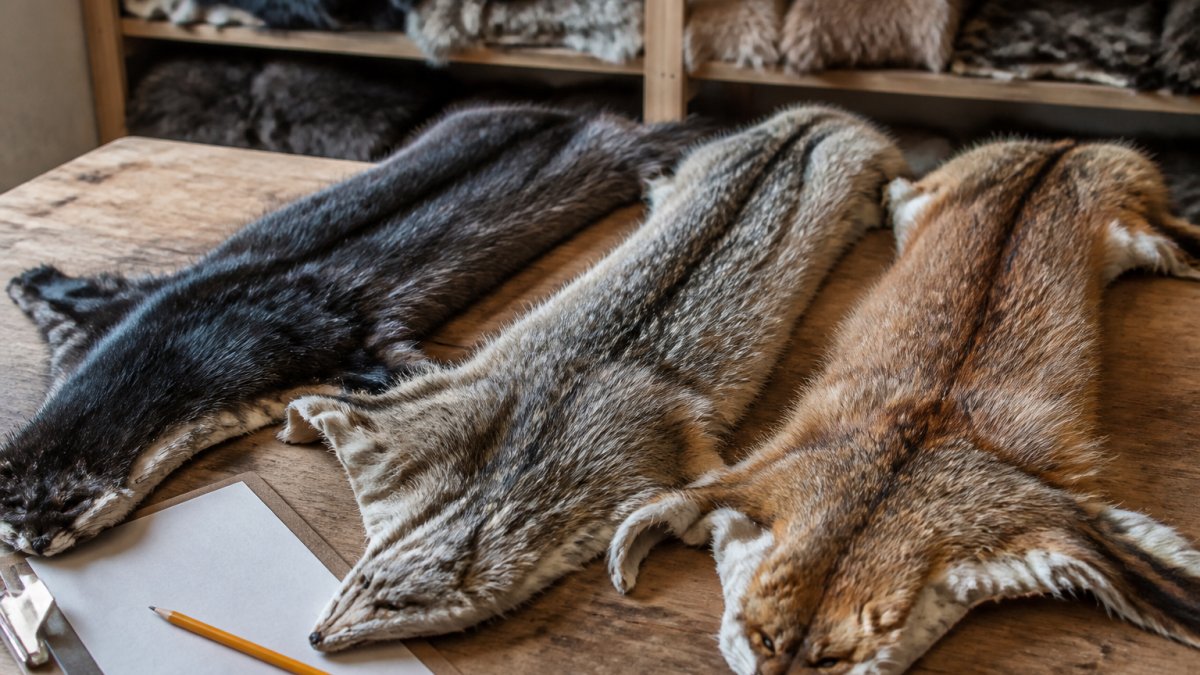
Wild-harvested fur comes from animals trapped or hunted in the wild. Responsible harvesting means the population is stable or growing, trapping methods minimize suffering, and quotas are enforced. In North America, state and federal agencies set harvest limits for species like beaver, muskrat, coyote, and fox. Sellers should tell you the species, region, and season; many states require licensed trappers who follow specific regulations.
Farmed fur comes from animals raised specifically for pelts, mink, fox, chinchilla. Farming raises welfare concerns: animals live in small cages their entire lives. Farmed fur is traceable and doesn't affect wild populations, and some farms have improved conditions and certifications, though standards vary widely.
Reclaimed fur includes vintage pieces, secondhand items, and pelts salvaged from existing garments or collections. This option avoids new harvesting or farming entirely. It's often cheaper and genuinely sustainable since no additional animals are involved.
When buying from Ethically Fur or any marketplace, ask these questions:
- What species is the pelt, and where was it sourced?
- For wild fur: What state or region? Is the trapper licensed? What season was it taken?
- For farmed fur: What farm? What certifications or welfare standards do they follow?
- How was it tanned and dyed? What chemicals were used?
- Is there documentation (trapper license, harvest records, farm certification)?
Responsible sellers provide answers. Vague responses like "ethically sourced" without specifics are a red flag.
Wild-Harvested vs Farmed Fur: Which Is Better?
The wild-versus-farmed question is the ambiguity at the heart of the keyword, and most sustainability discussions skip it. The two methods differ in ecology, animal welfare, traceability, and material quality.
Ecology and population management. Wild harvesting is managed through state and federal agencies that set seasons, bag limits, and licensing for species such as beaver, muskrat, coyote, and fox.
Animal welfare. Farmed mink and fox are typically raised in wire cages their entire lives, and welfare standards vary widely by farm and certification.
Traceability and verification. Farmed fur is generally more traceable: a pelt can often be tied to a specific farm, and certification programs provide third-party verification of welfare and environmental standards.
Craft quality. Wild animals grow coats adapted to their environment, and many crafters find wild pelts have denser, more resilient fur and tougher hide than farmed equivalents.
Supply and cost. Wild fur supply is seasonal and unpredictable, availability depends on population cycles, weather, and trapper effort, so prices fluctuate. Farmed fur is more consistent in supply and grade, making larger or repeatable projects easier to plan.
How to decide. If your priority is avoiding confinement welfare concerns and supporting rural livelihoods, responsibly documented wild fur is the stronger fit. If it's traceability and consistent supply, certified farmed fur may be preferable.
Sustainable Fur Alternatives for Crafts
If you want to avoid fur entirely, several alternatives exist for different crafts.
Recycled synthetic fibers mimic fur's appearance and texture from reclaimed polyester or other plastics. They don't biodegrade, but recycling diverts material from landfills. Quality varies; cheap versions shed fibers quickly. They work for projects where durability doesn't matter, but disappoint for pieces meant to last.
Plant-based fibers like hemp, linen, or cotton can be processed into fur-like textures. They're biodegradable and renewable, and though they lack real fur's insulation and water-resistance, they suffice for decorative crafts at lower cost than quality fur.
Lab-grown leather and mycelium-based materials are emerging alternatives grown from biological matter rather than harvested from animals. They biodegrade and avoid chemical-heavy tanning. Production is still limited and expensive, but prices are falling.
Vintage or secondhand fur is the most sustainable option if you're comfortable with used materials, it avoids new harvesting or farming entirely. Thrift stores, online marketplaces, and estate sales often have vintage pieces; quality varies, but prices are low.
For fly-tying, crafters often need specific materials, rabbit fur, deer hair, squirrel tail. Synthetic alternatives exist but don't behave the same way, and real fur remains the standard for quality flies. If you tie flies, responsibly harvested fur is the most practical choice.
Legal Sourcing and Protected Species Considerations
Not all fur is legal to buy, sell, or use. Understanding regulations protects you and supports conservation.
In the United States, the Endangered Species Act prohibits trade in pelts from endangered or threatened species, including big cats, bears, primates, and many others, with federal penalties for violations. Verify the species isn't protected; reputable sellers know which species are legal in their state.
Many states also regulate common species: trapping seasons, bag limits, and licensing vary by state and species, and some prohibit trapping certain species entirely. When you buy wild-harvested fur, ask for documentation, trapper license, harvest records, or proof the animal was legally taken.
The Marine Mammal Protection Act prohibits trade in marine mammal pelts, seals, sea otters, whales, with limited exceptions. Avoid marine mammal fur unless you're certain it's legal and documented.
International trade is regulated by CITES (the Convention on International Trade in Endangered Species). Fur from CITES-listed species requires permits to cross borders. If you're importing fur from Canada or Mexico, verify it's CITES-compliant.
For crafts, stick with common species: rabbit, squirrel, deer, beaver, muskrat, fox, coyote. These are abundant, legally harvested, and well-regulated. Ethically Fur works only with sellers who provide legal documentation and source from responsibly managed populations.
Making Your Choice as a Responsible Crafter
Choosing responsibly sourced materials is part of being a thoughtful crafter. Wild fur can be sustainable when sourced from licensed trappers in regions with strong wildlife management, processed with minimal chemical impact, and used in projects built to last.
The key is asking questions. Know where your materials come from. Understand how they're processed. Support sellers, like those on Ethically Fur, who provide transparency and documentation. Avoid vague claims. Demand specifics: species, sourcing region, trapper license, tanning method, chemical use.
If wild fur doesn't align with your values, alternatives exist: reclaimed vintage fur, plant-based materials, and recycled synthetics all have merit. The best choice depends on your project, budget, and what sustainability means to you.
At Ethically Fur, we believe responsible sourcing starts with direct relationships between crafters and the hunters and trappers who harvest materials. Our marketplace connects you with sellers across North America who document their work and stand behind their products. When you browse our listings, you're supporting rural livelihoods and wildlife-managed ecosystems.
Frequently Asked Questions
Is wild fur sustainable for crafting compared to faux fur?
Wild fur sustainability depends on sourcing and processing methods. Wild-harvested fur from regulated trappers has lower petrochemical inputs than synthetic alternatives, but tanning and dyeing create chemical waste. Faux fur relies entirely on petroleum-based materials and microplastics. Neither is perfect; the choice depends on your project lifespan, local regulations, and access to verified ethical sources. Reclaimed or vintage wild fur eliminates new harvesting concerns entirely.
How can I verify that wild fur is responsibly sourced?
Look for sellers who provide trapper information, harvest dates, and species verification. Ask about compliance with state trapping regulations and whether pelts come from regulated populations. Reputable marketplaces like Ethically Fur connect you directly to North American hunters and trappers, offering transparency about sourcing. Request documentation of ethical practices.
What environmental damage does fur tanning cause?
Traditional fur tanning uses chromium, formaldehyde, and other toxic chemicals that create hazardous waste if not properly managed. Processing facilities release chemical waste into waterways, affecting aquatic ecosystems. Vegetable tanning is less toxic but requires longer processing times and more resources. Modern facilities with proper waste treatment reduce harm significantly. Understanding a supplier's tanning methods helps you make more sustainable choices for your crafting projects.
Are there legal restrictions on buying or selling wild fur?
Yes. Federal law protects certain species under the Endangered Species Act, and state regulations govern trapping seasons, methods, and species. Marine Mammal Protection Act restrictions apply to seals, sea otters, and other marine animals. Selling protected species fur is illegal. Always verify that wild fur comes from legal, regulated harvests in compliance with state and federal law. Ethically Fur ensures all products meet legal sourcing requirements across North America.
Sourcing fur responsibly requires diligence, but it's worth the effort. The crafters and artists who invest time in understanding their materials create work that lasts and feels authentic. Browse Ethically Fur's listings to find wild-harvested, ethically farmed, and reclaimed fur from verified North American sources. Our transparent marketplace ensures you know exactly what you're buying and where it comes from.