 Comparison
7 Wildcat Marketplace Alternatives for Trappers to Compare
Last Updated: October 29, 2026
Quick Summary
The best marketplace alternatives for trappers depend on what you sell and who buys it. Specialized fur marketplaces reach buyers who already know grading, while general handmade marketplaces reach more shoppers but carry stricter wildlife-product policies. Compare fees, payout timing and permitted products before you list.
- Specialized fur marketplaces suit raw pelts because buyers already search for fur.
- General handmade marketplaces reach a larger audience but restrict animal-derived items.
- Calculate net proceeds after listing fees, commission, processing and shipping, not sticker price.
- Confirm both platform rules and state wildlife regulations before listing any species.
- Keep dated photos of every pelt to protect against condition disputes and returns.
Table of Contents
- Why Trappers Look for a Wildcat Marketplace Alternative
- What to Compare When Choosing a Fur Marketplace
- Where to Sell Animal Pelts Online: Platform-by-Platform Comparison
- Fur Marketplace Seller Policies, Fees and Payout Timing
- Pelt Listing Best Practices That Attract Buyers
- Buying Raw Pelts Online: How to Vet Sellers and Sourcing
- Choosing the Right Fur Marketplace for Your Next Sale
- Frequently Asked Questions
Choosing a place to sell or buy raw pelts online is harder than it should be. Trappers, taxidermists and fly tiers all need somewhere reliable to move product, and the options range from specialized fur sites to general marketplaces built for handmade goods. Ethically Fur is a marketplace that connects buyers with wild-harvested, responsibly sourced fur from hunters and trappers across North America. This guide compares the main alternatives so you can decide which fits your product, your volume and your budget.
The core decision is usually about buyer reach versus buyer intent. A general marketplace puts your listing in front of a large audience, but few of those shoppers are looking for a marten pelt. For a closer look at Etsy and the alternatives to it, see the Etsy alternative guide for raw fur materials. A specialized fur marketplace has a narrower audience, but those buyers already know what they want. Keep that trade-off in mind as you compare marketplace alternatives.
Why Trappers Look for a Wildcat Marketplace Alternative
Trappers often start with a single platform and then run into friction. Listing fees can add up, buyer demand for a particular pelt type can be thin, and some sites are hard to navigate when you only have a few items to sell. Others want more detail than a seasonal seller can provide. Exploring marketplace alternatives is a normal step, not a sign that something went wrong.
Many sellers also want more control over how their pelts are described and sold. A platform that focuses on fur and trapping gear tends to attract buyers who understand grading, sizing and sourcing, which can reduce the back-and-forth that slows a sale.
What to Compare When Choosing a Fur Marketplace
Before you list anything, compare platforms on the same set of factors:
- Buyer audience: Are the shoppers taxidermists, crafters, fly tiers or general consumers?
- Fees: Listing fees, commissions and payment processing charges all reduce what you keep.
- Payout timing: Find out when funds arrive and whether there is a holding period.
- Permitted products: Confirm the platform accepts the specific pelts, tails or finished goods you plan to sell.
- Shipping and payment protection: Check who handles shipping, who bears risk in transit and how disputes are resolved.
- Listing tools: Photo requirements, grading fields and search filters affect how easily buyers find you.
Write these down for each platform you consider. A side-by-side view makes the best fit easier to spot.
Where to Sell Animal Pelts Online: Platform-by-Platform Comparison
Trappers generally choose among four channel types, and each behaves differently on audience, fees, and policy risk. The table below compares them on the factors that decide whether a pelt actually sells.
| Channel | Best for | How fees typically work | Policy risk for wildlife products | Payout pattern |
|---|---|---|---|---|
| Specialized fur marketplace | Raw pelts, tails, and trapping supplies sold to taxidermists and fly tiers | Commission on the sale, sometimes a listing fee | Lower, because the platform is built around fur | Usually released after buyer confirmation or a short hold |
| General handmade marketplace (Etsy) | Finished goods, accessories, fly-tying materials | Listing fee per item plus a transaction percentage plus payment processing | Higher, because animal-derived items fall under restricted categories | Funds held briefly, then released on a schedule |
| Auction and consignment fur sales | Volume lots of standard grades | Commission deducted from the hammer price | Depends on the auction house's species rules | Paid after the sale settles, often weeks later |
| Direct-to-buyer (own site, social, forums) | Repeat buyers and high-value specialty pelts | Payment processing only | You carry the compliance burden yourself | Immediate, minus processor holds |
Specialized fur marketplaces
A specialized marketplace is the shortest path from listing to sale for raw pelts because the audience is already searching for fur. The trade-off is reach: total traffic is smaller than a general marketplace, so a common species may sit longer if several sellers list similar grades. Look for grading fields (size, grade, color phase), seller verification, and sourcing documentation requirements.
General handmade marketplaces
General handmade marketplaces such as Etsy reach a far larger audience and can work for finished goods where the buyer is shopping by craft rather than by species. The catch is policy. Animal-derived products fall under restricted categories, and the rules distinguish between finished goods, raw pelts, and items from regulated species. Read the current prohibited-items policy before listing, and confirm state rules for the species you handle. Fees can also stack across listing, transaction, and payment processing charges, so check the current fee schedule before listing.
Auction and consignment sales
Auction and consignment fur sales can suit some trappers moving volume. Model your net return before consigning, since commissions and settlement timing vary by house.
Selling direct
Selling through your own site, social channels, or trapping forums gives you full control over descriptions, but you carry compliance, shipping, and dispute risk yourself. This works best once you have repeat buyers who already trust your grading.
Fur Marketplace Seller Policies, Fees and Payout Timing
Many trappers compare platforms on the listing fee alone. Fees for a sale can also include commission, payment processing, shipping, and the cost of money tied up in a payout hold. Build a simple net-proceeds worksheet for a typical pelt before you commit.
The fee stack. Add every charge that applies to a single sale: the listing fee (often per item, per relist, or per month), the commission or transaction percentage, and payment processing. Then subtract shipping and packaging. What remains is your net. A platform with a low listing fee but a high commission can cost more on a high-value pelt than one with the reverse structure.
Payout timing. Platforms differ on when funds release: some pay after the buyer confirms delivery, others after a fixed hold, and auction houses settle after the sale closes. A hold is a cash-flow cost, not a fee, but it matters when you need money for the next season's supplies. Ask specifically: when does the clock start, and what triggers release?
Returns and disputes. Find out who pays return shipping, what evidence the platform requires when a buyer disputes condition, and whether the platform or the seller bears the loss. For pelts, condition disputes often turn on photos and description accuracy, so keep dated photos of every item before shipping.
Prohibited items and wildlife rules. Restrictions on wildlife products are a common source of listing problems. Wildlife products are regulated at both the federal and state level (Laws & Regulations). Before listing, confirm the platform permits the specific species and product form, and check the relevant federal and state rules yourself with the appropriate agencies.
A practical checklist. For each platform, record: listing fee, commission, processing charge, payout trigger and hold length, return-shipping responsibility, dispute evidence requirements, and the exact prohibited-items language for your species. Compare the net on your actual product, not a hypothetical one.
Pelt Listing Best Practices That Attract Buyers
Clear listings can reduce buyer questions. Start with clear photos taken in natural light against a plain background, showing the full pelt and a close-up of the fur. Describe the species, sex if known, size, season harvested and any handling that affects grade. Buyers who can judge quality from the listing are more likely to commit.
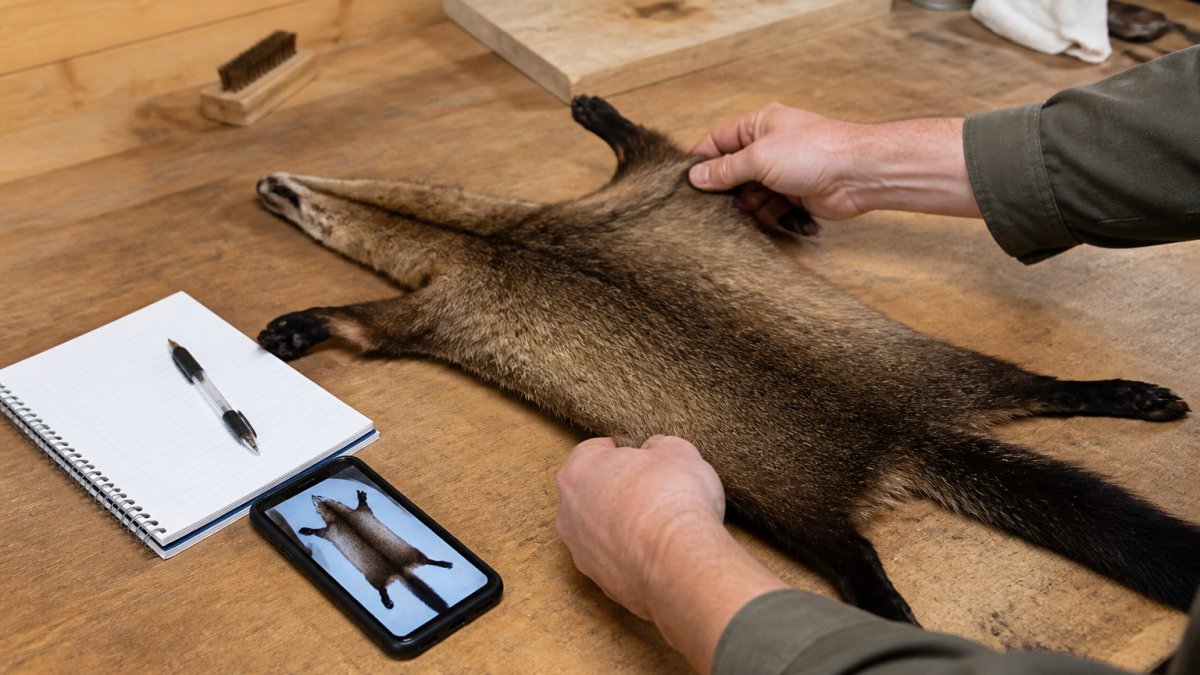
Be specific about condition. Words like "good" or "nice" tell a buyer very little. A note such as "fully stretched, no tears, dried flat, guard hair intact" gives a shopper something to evaluate. Honest descriptions also protect you from returns and disputes.
Buying Raw Pelts Online: How to Vet Sellers and Sourcing
If you are buying rather than selling, vet every seller before you pay. Ask where and when the animal was harvested, whether the pelt was handled to a recognized standard and how it was preserved in transit. Sellers who answer clearly are usually the ones worth buying from.
Look for platforms that verify sellers or document sourcing. Wild-harvested and ethically sourced claims are easy to make and harder to prove, so favor sellers who can show records. Compare shipping costs and return terms as well; a low pelt price can be offset quickly by high freight charges on a small order.
Choosing the Right Fur Marketplace for Your Next Sale
Start with what you are selling. Raw pelts for taxidermy or tanning usually do best on a specialized fur marketplace, where buyers know the grading. To see how finished handmade fur and bone accessories are presented for sale, browse Tooth & Tail Talismans. Finished goods such as handmade accessories or fly-tying materials can reach more shoppers on a general marketplace, provided the item meets that platform's policies. If you sell both, consider listing each product type where its buyers are.
Then run the numbers. Take a typical item, subtract listing fees, commission, payment processing and shipping, and compare what you keep across two or three platforms. Factor in payout timing so you know when the cash arrives. The platform that returns the most money on your actual product, in the time frame you need, is usually the right choice.
To see the kinds of pelts and trapping supplies currently offered, browse the Ethically Fur listings. Check the seller requirements on the Ethically Fur website before your first listing, and contact Ethically Fur directly if a product type is unclear.
Frequently Asked Questions
What should trappers look for in an online fur marketplace?
Look at how the platform handles listing rules, seller fees, commission structure, payout timing, and shipping and payment protections. Check whether the buyer base actually wants your product type, such as raw pelts, finished goods, or trapping supplies. Read the seller policies before you create a listing, because rules on fur and wildlife products vary and can change. Compare two or three platforms on the same pelt to see which one gives you the clearest net return after fees.
Where can trappers buy and sell pelts online?
Trappers typically use a mix of specialized fur marketplaces, auction-style fur sales, and general platforms. Specialized sites tend to attract buyers who already want raw pelts or taxidermy material, while general marketplaces offer wider reach but may have restrictions on animal products. Check each platform's current seller policies before listing, since rules for selling wildlife products can differ by site and by state. Ethically Fur lists wild-harvested and responsibly sold items; for current listing terms and fees, visit the Ethically Fur website directly.
How can buyers assess the quality and sourcing of a pelt online?
Ask the seller for clear photos of the flesh side and fur side, a description of the animal's species, sex, and approximate harvest date, and a note on how the pelt was handled and dried. Look for sellers who state whether the animal was wild-harvested or farmed and who can answer sourcing questions directly. Before buying, confirm the platform's verification process for responsibly sourced product and ask what documentation is available. Buying from sellers who give detailed, specific answers reduces the risk of receiving a pelt that does not match its listing.
What should a pelt listing include?
A strong pelt listing includes the species, sex, size or measurement, condition, handling method, and whether the animal was wild-harvested. Add several clear photos in natural light showing both sides and any defects, and state the shipping method and what it covers. Be direct about grading and any imperfections, since buyers who are surprised on arrival rarely come back. Keep the listing consistent with the platform's seller policies to avoid removals or delays in payout.