 How-to
How to Source Fly Tying Materials Responsibly
Quick Summary
To source fly tying materials responsibly, start by listing the patterns you tie most often, then buy only the materials those patterns need. Choose the sales channel to fit the purchase: inspect hackle and pelts in person, and ask every seller where and when natural materials were harvested.
- Make a short list of your three to five most-tied patterns before buying anything.
- Inspect hackle and pelts in person at local fly shops whenever grade matters.
- Ask sellers where and when natural materials were harvested and whether they were licensed.
- Calculate cost per fly by dividing the pack price by the number of flies one pack ties.
- Store natural materials in sealed, labeled containers with a moth deterrent and check them every few months.
Table of Contents
- Start With the Patterns You Actually Tie
- Where to Buy Fly Tying Materials
- How to Choose Fly Tying Feathers
- Responsibly Sourced Fly Tying Materials: What to Verify
- Sourcing Checklist by Material Type
- Cost Per Fly and Buying Quantities
- Storing Natural Materials So They Last
- Planning Your Next Materials Order
- Frequently Asked Questions
How to Source Fly Tying Materials Responsibly
Last Updated: October 30, 2026
Fly tying looks simple from the outside: a hook, some thread, a few feathers and fur. Sourcing those materials well is harder. The best materials come from a mix of trusted sellers, careful inspection and clear buying habits. Many tiers buy more than they need, or buy the wrong grade for the pattern they actually tie. This guide walks through a practical way to source fly tying materials responsibly, without wasting money or buying blindly.
The good news is that you do not need a huge stash. A small, well-chosen supply covers most of the patterns you will ever tie.
Start With the Patterns You Actually Tie
Your first step is to make a short list of the flies you tie most often. Write down the pattern names, the hook sizes and the fish you target. This list becomes your shopping list.
Most beginners buy materials for every fly they see in a catalog. That leads to drawers full of partial packs that never get used. A better approach is to tie your core patterns first and buy only what those patterns need.
- List your three to five most-tied patterns
- Note the hook size each one uses
- Mark the materials that appear in more than one pattern
- Buy those shared materials first
Once you know your patterns, sourcing gets much simpler.
Where to Buy Fly Tying Materials
Fly tying materials come from several channels, and each one trades off price, selection, inspection ability and sourcing transparency.
Local fly shops. The main advantage is hands-on inspection: you can squeeze a hackle cape, check fiber stiffness, feel a pelt's leather side and compare dye lots in person.
Online specialty suppliers. These carry the widest selection of natural materials and usually publish grade, origin and processing details. The trade-off is that you buy from a photo, so return policy matters more than price.
General online marketplaces. Best for synthetics, thread, hooks and tools, where brand and spec number do the work and inspection adds little.
Fly fishing clubs, shows and swap meets. Club members and tying shows are where you can buy small quantities, inspect materials in person and get pattern-specific advice.
A reader wanting to compare sellers should look at:
- Clear sourcing information on each listing (origin, grade, processing)
- Photos that show the actual material, not stock images
- Return or exchange policies for natural materials
- Consistent grading across the seller's catalog
- Whether the seller answers sourcing questions directly
When you shop online, look for listings that describe the material's origin, grade and processing. Vague descriptions are a warning sign. Ethically Fur's fur listings by category are organized by material type, which makes it easier to compare pelts, skins and tying fur side by side. You can also check the [page:1] to browse fly tying fur directly.
How to Choose Fly Tying Feathers
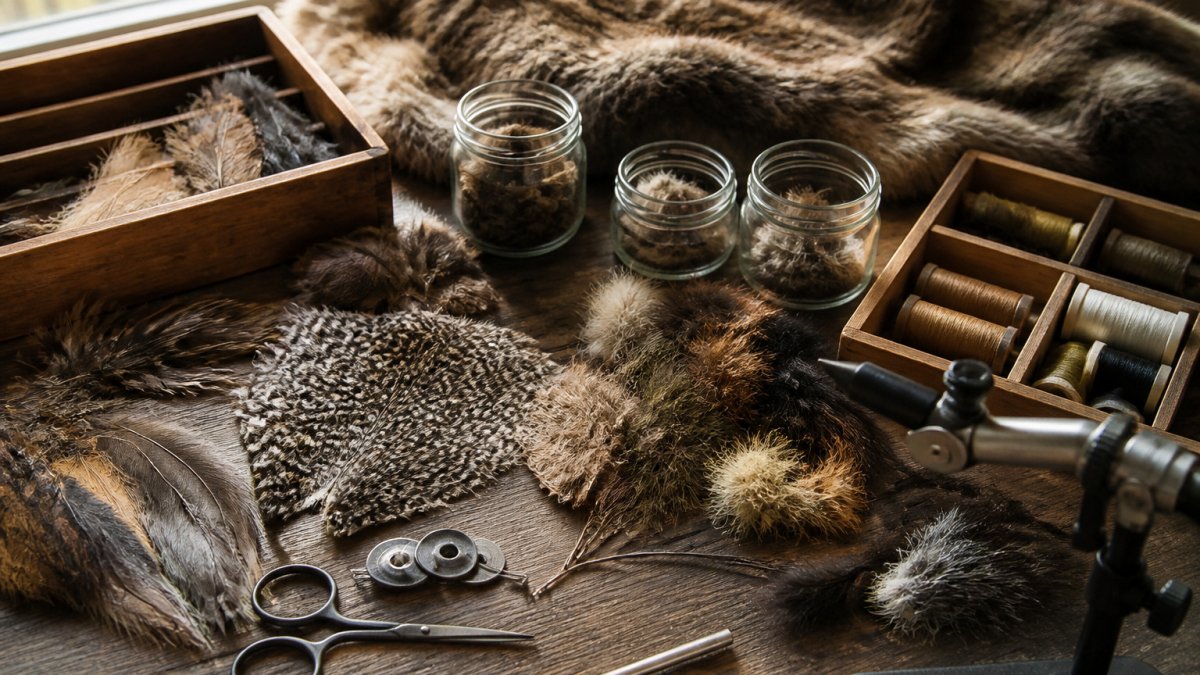
Feathers are often the most confusing purchase for new tiers. Rooster necks, hen capes, saddle hackle and specialty feathers all look similar in a photo but behave differently on the hook.
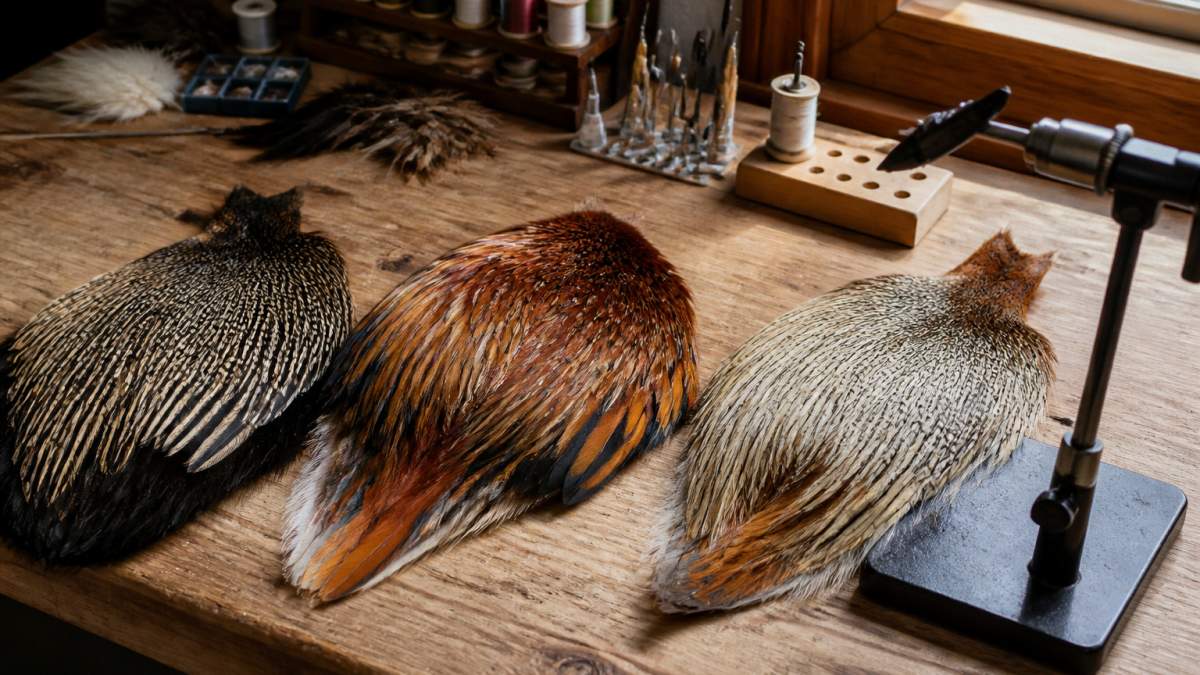
Start by matching the feather to the fly. Dry flies need stiff, webby hackle that holds its shape. Wet flies and soft-hackle patterns need softer, more mobile fibers. Think about how the fly will sit in the water before you think about price.
Hackle sizes also matter. A feather that is too large for the hook will wrap badly and look bulky. Check the fiber length against the hook size you actually use.
Checking Hackle Quality
Good hackle has uniform fibers, a clean stem and a natural sheen. Pull a feather gently between your fingers. Fibers should spring back without breaking or splitting.
Watch out for these common problems:
- Fibers that are brittle or snap easily
- Uneven fiber length along the stem
- Dull color with blotches or staining
- Stems that are cracked or bent
Quality varies a lot within the same grade, so inspect each cape or pack before you commit.
Judging Pelts and Natural Fur
Natural fur and pelts need a different check. Look for fur that is clean, dense and free of bald patches. Blow gently into the fur to see whether the underfur is full and even. Healthy fur lifts and settles back without clumping.
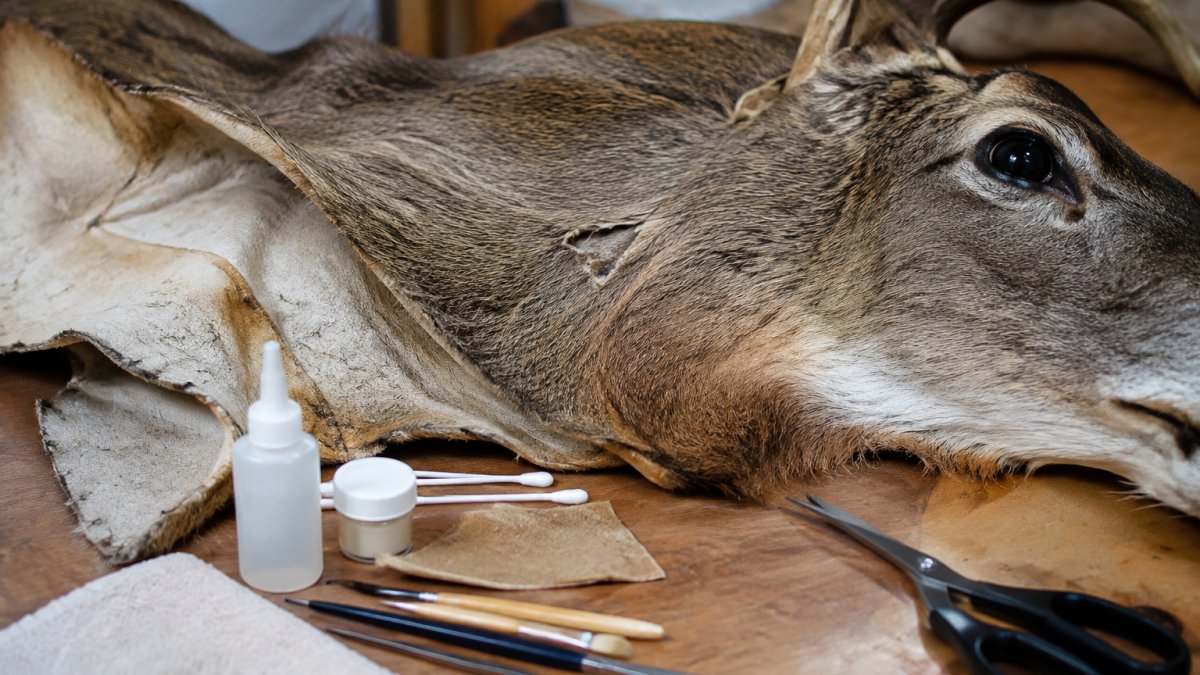
Check the leather side too. It should look supple, not stiff or cracked. A pelt that smells strongly of decay or chemicals is a sign of poor preparation. Ask the seller how the pelt was processed if the listing does not say.
Responsibly Sourced Fly Tying Materials: What to Verify
Responsible sourcing is about knowing where your materials come from and whether they were harvested and processed lawfully. This matters for your own peace of mind and for the animals and habitats involved.
Ask sellers for clear answers to a few questions. Where was the material harvested? Was it taken during a legal season, by a licensed trapper or hunter, or from an approved farm? Was it a byproduct of food or other legal harvesting?
In the United States, many furbearer harvests are regulated at the state level, and seasons, bag limits and licensing rules differ from state to state (Furbearer Management). Check the wildlife agency for the state where a pelt was taken, and look for state wildlife agency furbearer regulations to confirm the rules.
Be cautious with listings that skip these details. A well-run seller shares its sourcing openly. Ethically Fur's sourcing standards for wild-harvested furs explain how we check where materials come from, and you can use the same questions with any seller you consider.
Practical verification steps:
- Ask where and when the material was harvested
- Confirm the seller holds any licenses required in its state
- Keep receipts or listing screenshots for your records
- Avoid materials with no traceable origin
Sourcing Checklist by Material Type
Each material type has its own quality checks and sourcing questions.
Hooks. Check the point under light: it should be sharp and smooth, with no burr or rolled tip.
Hackle capes and saddles. Check fiber stiffness by pressing the fibers against the stem; they should spring back.
Hen and soft-hackle feathers. These should be soft and mobile, not stiff. Check for broken tips, split stems and uneven barb length.
Bone and skull materials. Confirm the source and cleaning method. Avoid pieces with strong odors, cracks or residual tissue.
Synthetics. Check the brand and fiber type, and make sure the description matches the product (for example, flash material versus dubbing versus chenille).
Cost Per Fly and Buying Quantities
Buying in bulk is not always cheaper. A large pack of hackle you never use costs more per fly than a small pack you finish. Work out your cost per fly before you buy.
Count how many flies one pack will tie. Divide the price by that number. Then compare the result with how many of those flies you expect to tie in a year. If the pack will sit in a drawer for three seasons, a smaller size may be the better value.
Good buying habits include:
- Buying in quantities you will use within a season or two
- Sharing bulk orders with other tiers in your local club
- Grouping purchases to reduce shipping costs
- Replacing only the materials you run out of, not the whole kit
Pricing depends on quantity, material grade and delivery, so check current prices on Ethically Fur's website or request a quote before you plan a budget.
The article's key buying figures and habits are easy to scan at a glance.
| Factor | What to check | Why it matters |
|---|---|---|
| Cost per fly | Pack price divided by flies one pack ties | Bulk buying is not always cheaper |
| Buying quantity | Amount used within a season or two | Avoids unused stock sitting in drawers |
| Shared bulk orders | Split with other tiers in your club | Lowers cost per person |
| Grouped shipping | Combine purchases into one order | Reduces delivery costs |
| Replacement | Only items you have run out of | Avoids rebuying the whole kit |
Storing Natural Materials So They Last
Natural materials need protection. Moths, beetles and humidity can damage feathers and fur quickly. Good storage keeps your materials usable for years.
Store feathers flat or hanging in a dry, dark place. Keep fur and pelts in sealed containers with a moth deterrent. Use airtight boxes for dubbing, and label each one with the material name and date.
Check your storage every few months. Look for signs of pests, such as small holes, shed hairs or webbing. Remove any damaged material before it spreads. The guide on storing natural fly tying feathers covers the storage methods that work best for different materials, and it is worth reading before you build your collection.
Planning Your Next Materials Order
Before you place your next order, review what you already have. Check your pattern list, note which materials are running low and identify what you truly need. Skip anything that duplicates what you own.
Set a simple budget for each season. Buy the materials for your core patterns first, then add new items only when you start a new fly style. Keep notes on what you bought, what you used and what you wasted. Over time, those notes will tell you exactly what to buy next.
Responsible sourcing is a habit built over many orders. Start small, ask good questions and buy with purpose. Your bench will be better stocked, your flies will tie more reliably and your materials will come from sources you can stand behind.
Frequently Asked Questions
Where can you find materials for fly tying?
Fly shops, specialty online retailers, and local fly tying clubs are the most common sources. Fly shops let you inspect feathers and hooks before buying, which helps with quality checks. Online retailers offer wider selection and often list material sizes and grades. Some anglers also source from trusted individual tiers or wild-harvested materials with documented origin. Compare the seller's material descriptions, return policy, and how they describe where animal-derived materials came from before you order. You can browse current listings on Ethically Fur's website.
What materials should a beginner buy for fly tying?
Start with a small kit built around the patterns you plan to tie first. A beginner usually needs a few hook sizes, one or two spools of thread (strength and size matter), a small amount of dubbing, a selection of hackle, and basic tools such as a vise, bobbin, and scissors. Buy in small quantities until you know which materials you use repeatedly. Expanding gradually keeps costs manageable, and you avoid storing a large collection of materials you never use. For current pricing on any item, check the seller's website or request a quote.
How can you tell if fly tying feathers are good quality?
Look for even barbule structure, consistent color, and feathers that are clean and free of cracks or brittleness. Good hackle has fibers that stand out cleanly and are not overly stiff or fragile. Check that the feathers are sized to match your hook. Avoid material that smells of decay or shows signs of insect damage, since these can ruin a fly. When buying online, ask for close-up photos and confirm the grade and length before you pay.
How should you store natural fly tying materials?
Keep natural materials in sealed containers with a small amount of desiccant or cedar to deter pests, and store them in a cool, dry place away from direct sunlight. Label each container with the material type and source date so you can rotate older stock first. Check materials periodically for signs of moisture or insect activity, and remove any affected items immediately to prevent spread.