 how-to
Sourcing Animal Fur for Fly Tying: A Responsible Guide
Table of Contents
- Understanding Your Sourcing Options for Fly Tying Fur
- Common Animal Species and Their Fly Tying Applications
- Legal Regulations for Migratory Bird Feathers and Protected Species
- Processing and Preserving Raw Hides for Fly Tying Use
- Best Practices for Cleaning Fly Tying Fur
- How to Store Natural Fly Tying Feathers and Fur
- Ethical Considerations in Sourcing Animal Materials
- Frequently Asked Questions
Last Updated: October 2, 2026
Understanding Your Sourcing Options for Fly Tying Fur
Quality fly tying materials come from three main sources, each with distinct advantages. Ethically Fur helps fly tiers connect with responsible suppliers across these channels.
Wild-harvested pelts from hunters and trappers
Wild-harvested materials offer superior quality. Hunters and trappers provide fresh pelts with natural structure, texture, and buoyancy that synthetics cannot match.
Direct sourcing from trappers ensures fresh pelts processed soon after harvest, preserving fur quality. Building relationships with local hunting communities yields the best materials and fair pricing.
Wild-harvested sourcing requires understanding seasonal availability. Deer peaks in fall and winter; elk and other game follow their own cycles. Plan projects around these seasons for consistent access.
Using furrier scraps and offcuts
Furriers generate significant waste from full pelts. Scraps and offcuts unsuitable for clothing are perfect for fly tying and often sold cheaply.
Contact local furriers directly for bulk scrap material at reasonable rates. Mixed species and sizes provide the variety fly tiers need.
The advantage is cost, convenience, and local pickup without shipping delays. Furrier scraps reduce waste by giving second life to discarded materials.
Thrift stores and flea market finds
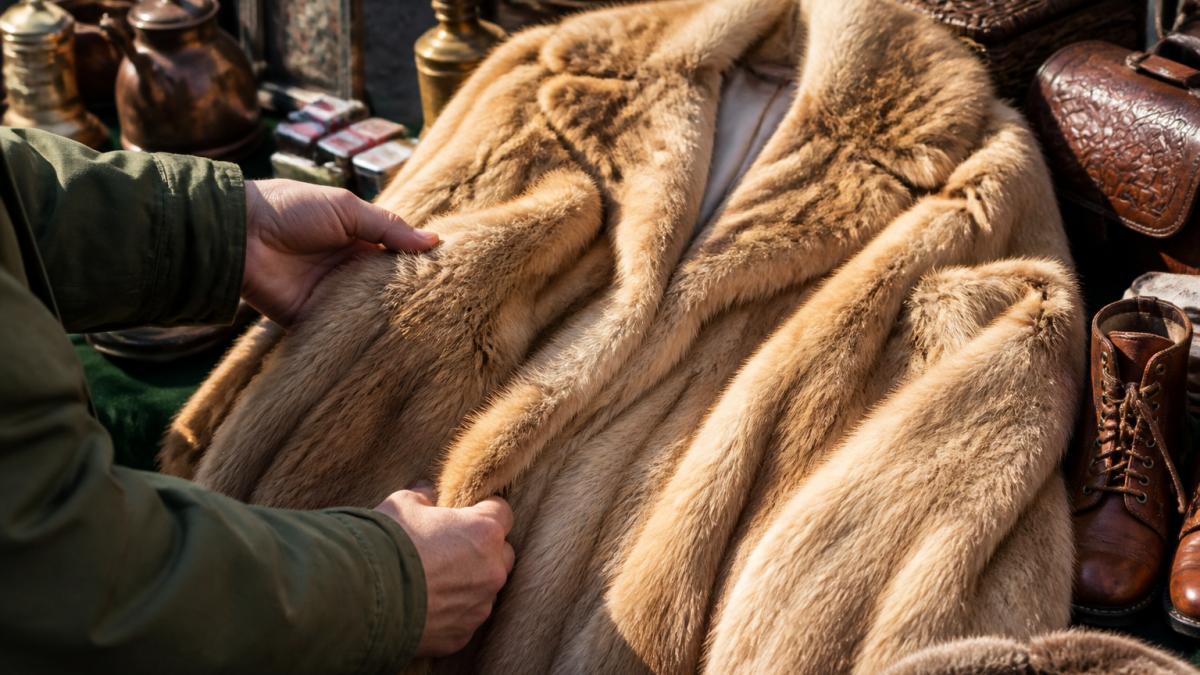
Vintage fur coats and accessories at thrift stores contain excellent fly tying materials at low prices. A single coat yields enough for hundreds of flies.
Examine items carefully for intact fur without bald spots, damage, or signs of moth damage or poor storage.
This source requires patience. Build relationships with thrift store staff who'll alert you to relevant arrivals. The payoff is premium materials at bargain prices.
Common Animal Species and Their Fly Tying Applications
Different species serve different purposes in fly tying. Understanding which materials work best for specific patterns ensures your flies perform as intended.
Deer hair and bucktail for streamers and dry flies
Deer hair is the workhorse of fly tying. Guard hair is stiff and water-resistant for dry flies; bucktail has natural taper for elegant streamers.
Deer hair spins beautifully for bass and popping bugs, with hollow structure providing buoyancy. A single bucktail yields enough for dozens of streamers.
White-tailed deer is most common; mule deer and black-tailed deer offer different characteristics and colors.
Elk hair for skaters and terrestrial patterns
Elk hair is coarser and longer than deer hair, making it ideal for skaters and other dry flies that sit high on water.
Terrestrial patterns benefit from elk hair's structure and natural color variation, browns, creams, and grays that match insects.
A single elk hide provides multiple material types: guard hair for larger patterns and underfur for dubbing. Elk sourcing animal fur for fly tying means getting diverse materials from one source.
Specialty furs: dubbing, underfur, and guard hair
Guard hair creates pattern structure; underfur becomes dubbing when carded and blended.
Rabbit fur is prized for dubbing. The underfur spins easily on thread and creates a lifelike appearance. Hare's ear dubbing has been a standard for generations. Squirrel provides fine underfur for delicate patterns.
Mink, muskrat, and beaver all contribute specialty materials. Mink dubbing creates dark, silky bodies. Beaver fur's density makes excellent nymph bodies. Understanding which species provides which characteristics helps you select the right material for each pattern.
Legal Regulations for Migratory Bird Feathers and Protected Species
Fly tying materials sourcing animal fur for fly tying must comply with federal and state regulations. Ignorance of the law doesn't protect you from penalties.
CITES compliance and endangered species restrictions
The Convention on International Trade in Endangered Species (CITES) restricts trade in materials from protected species. Eagle feathers are completely protected in the United States, using them in fly tying is illegal without specific permits. Feathers from migratory birds are similarly restricted.
Check the CITES appendix before sourcing any exotic materials. Materials from species listed in Appendix I cannot be traded commercially. Appendix II species require permits and documentation. Appendix III species have varying restrictions by country.
Many fly tiers don't realize their materials are restricted. Importing feathers or fur from overseas can trigger federal violations. When sourcing animal fur for fly tying, stick to domestic species and legally harvested materials. The penalties for violations are serious, fines up to $25,000 and potential criminal charges.
State and federal permits for wild-harvested materials
Most states require permits for harvesting wild fur-bearing animals. Trappers must follow specific seasons and methods. Hunters must comply with bag limits and licensing requirements. These regulations exist to maintain healthy wildlife populations.
If you're purchasing from trappers, verify they have proper licenses and permits. Reputable suppliers maintain documentation of their harvest. They understand the legal requirements and operate within them. When buying through Ethically Fur, you access suppliers who meet state and federal requirements.
Some states have specific rules about which species can be harvested and when. Check your state's wildlife department website for current regulations. Possession of protected species materials can result in confiscation and fines, even if you didn't harvest them yourself.
Processing and Preserving Raw Hides for Fly Tying Use
Fresh pelts require immediate attention. Proper processing prevents decay and preserves the quality of the fur.
Salting and curing methods for fresh pelts
Salting is the traditional method for preserving fresh hides. Salt draws moisture from the pelt, preventing bacterial growth that causes hair slippage. A fresh pelt should be salted within hours of harvest.
Spread the pelt fur-side down on a clean surface. Apply salt generously to the flesh side, working it into all areas. Use non-iodized salt, iodine can damage the fur. Let the salted pelt sit for several days. The salt will draw out moisture and create a crust.
After initial salting, rinse the pelt thoroughly with cool water. Remove all salt residue.
DIY hide tanning for beginners
Tanning converts raw hide into supple, usable material. Brain tanning is the simplest method for small-scale work. The process uses the animal's own brains, which contain natural oils and enzymes, to soften the hide.
Best Practices for Cleaning Fly Tying Fur
Raw materials require cleaning before use. Dirt, debris, and contaminants affect fly appearance and performance.
Sanitization and pest control protocols
Fresh pelts can harbor parasites and bacteria. Cleaning eliminates these hazards before the material enters your workspace. Use cool water and mild soap. Agitate gently to remove surface dirt without damaging hair structure.
Removing dirt and debris without damaging texture
Gentle cleaning preserves the hair's natural characteristics. Avoid harsh scrubbing or hot water, which damages the cuticle layer. Cold water and mild detergent are sufficient for most cleaning needs.
How to Store Natural Fly Tying Feathers and Fur
Storage conditions directly impact material longevity. Poor storage degrades fur and feathers, making them unusable.
Controlling moisture and preventing mold
Humidity is the enemy of stored fur. Excess moisture promotes mold growth and bacterial decay. Ideal storage humidity ranges from 30-50 percent. A basement or garage often provides suitable conditions if properly sealed.
Protecting against dermestid beetles and other pests
Dermestid beetles are the primary pest threat to stored fur. These small insects feed on dried animal materials and can devastate a collection. Prevention is far easier than dealing with an infestation.
Ethical Considerations in Sourcing Animal Materials
The fly tying community increasingly values ethical sourcing. Understanding the difference between responsible and irresponsible practices matters.
Choosing wild-harvested over farmed sources
Wild-harvested materials come from animals taken for food or population management. Trappers harvest fur-bearing animals as part of regulated wildlife management. Hunters pursue game animals during legal seasons. These practices sustain wildlife populations when managed properly.
Verifying responsible harvesting practices
Not all wild harvesting is equal. Some trappers use methods that minimize animal suffering. Others cut corners and cause unnecessary pain. Understanding the difference helps you make informed choices.
Frequently Asked Questions
Can you get ethically sourced fur for fly tying?
Yes. Wild-harvested pelts from regulated hunters and trappers represent the most ethical option for sourcing animal fur for fly tying. These materials come from animals taken under strict state and federal quotas designed to maintain healthy populations. Verify sourcing through direct relationships with trappers, reputable marketplaces that document harvesting practices, or certification programs. Avoid materials without clear origin documentation.
What fur or feather materials are illegal to possess in the United States?
Feathers from migratory birds protected under the Migratory Bird Treaty Act are illegal to possess, including most eagle, hawk, and songbird feathers. Additionally, materials from endangered species listed under CITES regulations, such as certain big cat furs or exotic skins, cannot be legally sourced. State regulations vary, so check local restrictions before sourcing. When in doubt, consult your state's wildlife agency or the U.S. Fish and Wildlife Service.
What are the best practices for storing natural fly tying materials?
Store fur and feathers in cool, dry conditions between 40-60°F with humidity below 50% to prevent mold and degradation. Use sealed containers with cedar blocks or naphthalene to deter dermestid beetles and moths. Keep materials away from direct sunlight and rotate stock periodically to check for pest activity. Separate different species to prevent cross-contamination and maintain the integrity of delicate fibers like underfur and guard hair.
How do you properly clean and preserve raw fur for fly tying?
Fresh pelts should be salted immediately to draw moisture and prevent decomposition. Dry salt applied thoroughly to the flesh side creates a barrier against bacteria and insects. After salting for 7-10 days, brush away excess salt and store in a cool location. For long-term preservation, consider borax treatments or basic tanning methods. Before use, gently clean the fur with cool water and mild soap, then air-dry completely to preserve texture and buoyancy in fly patterns.
Sourcing animal fur for fly tying requires balancing quality, legality, and ethics. The best materials come from responsible sources that respect wildlife and follow regulations. Ethically Fur simplifies this process by connecting you with vetted suppliers who meet all standards. Browse our marketplace to find the specific materials your next project requires.