 How-to
How to Identify Quality Vintage Fur: A Step-by-Step Guide
Last Updated: November 8, 2026
Quick Summary
To identify quality vintage fur, examine the physical evidence before considering price or brand. Check hair length, texture and the two-layer structure of guard hairs and underfur, then inspect the leather backing for suppleness and damage. Read any label, but confirm it against what you see on the pelt.
- Examine hair length, texture and evenness across the piece in good light.
- Part the fur to look for distinct guard hairs above dense underfur.
- Blow gently on the fur and check the backing; real fur shows supple leather.
- Flex the leather at seams and folds to test suppleness and dryness.
- Grade condition separately from value, and get repair estimates before buying.
Table of Contents
- Start With a Close Look at the Fur Itself
- How to Tell If Vintage Fur Is Real
- Fur Identification Chart for Common Species
- Inspecting the Leather Backing and Pelt Condition
- Grading Condition of Vintage Furs
- Vintage Fur Identification Photos: What to Compare
- Ready to Start Sourcing Responsibly Harvested Fur
- Frequently Asked Questions
Start With a Close Look at the Fur Itself
Vintage fur can look convincing from across a room and fall apart under a closer look. The fastest way to judge quality is to examine the hair and the pelt before you think about price or brand.
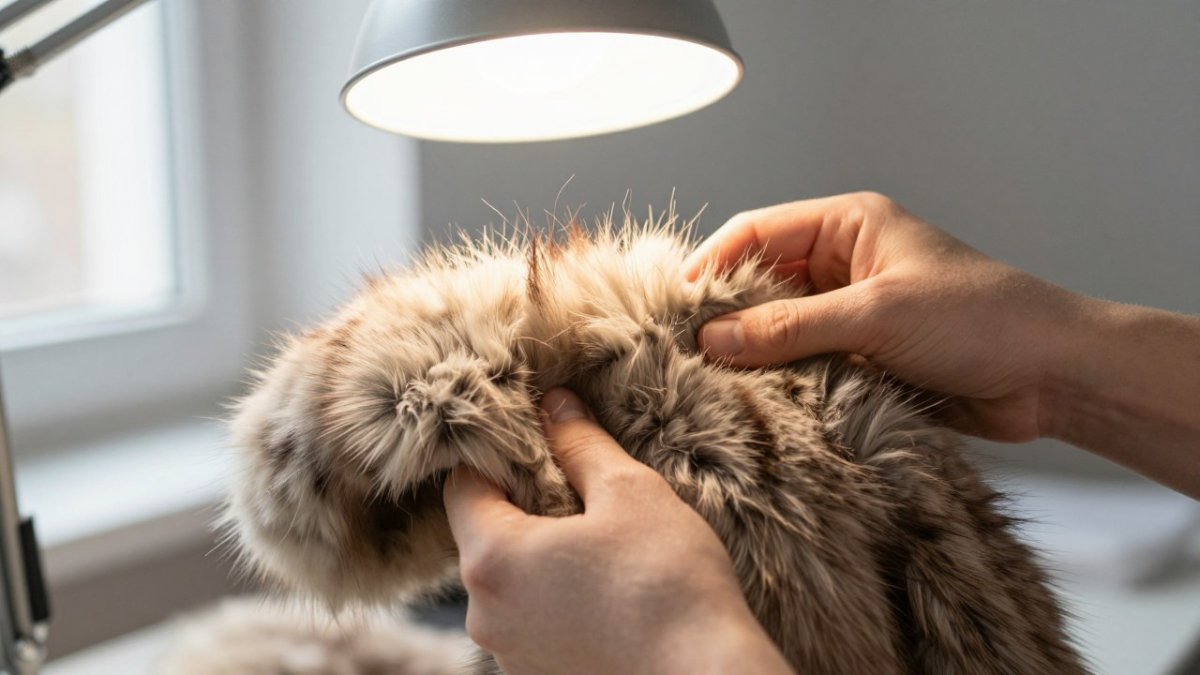
Pick up the piece in good light. A bright workshop lamp or a window with indirect daylight shows far more than a dim store. Look at the fur as a whole first, then move in close.
Checking hair length and texture
Start with how the hairs lie and feel. Fur that is well kept usually has even length across the pelt, with no thin patches where the hair has rubbed away. Gently part the fur with your fingers and look at the roots.
- Note whether the hair is long, medium, or short, and whether it is consistent across the piece.
- Feel the texture. Real hair has a natural, slightly uneven feel and tapers to a fine tip.
- Watch for hair that looks too uniform or too shiny, which can point to synthetic fibers.
A common mistake is judging a piece by its surface sheen alone. Older furs can lose some gloss and still be sound.
Spotting guard hairs and underfur
Every real pelt has two layers. Guard hairs are the longer, coarser outer hairs. Underfur is the dense, fine layer closer to the skin. Part the fur and look for both.
- Guard hairs should be visible, sitting above the softer underfur.
- Underfur should be dense and soft, with some natural variation in thickness.
- In faux fur, the pile often looks the same from root to tip, with no distinct layers.
If you can find both layers, you are looking at the real thing more often than not.
How to Tell If Vintage Fur Is Real
Many vintage pieces come with no clear paperwork. The good news is that you can test authenticity with a few simple checks. Use this section as a repeatable routine every time you evaluate a piece. Browse the wild caught prime Wisconsin furs and professionally tanned garment quality hides offered by Highland Holler Fur.
Reading labels and garment tags
Check the lining, the inside seams, and the hem for a label or tag. Labels often list the animal, the country of origin, and the care instructions. Newer fur labels should name the animal, and that information is a useful starting point. Verify it against what you see on the pelt.
- Read the full label, not just the brand name.
- Compare the stated animal with the hair length and texture you examined.
- Be cautious if the label has been replaced or looks newer than the garment.
Identifying faux fur when labels are missing
Many vintage garments have no label at all. In that case, rely on physical tests:
- Blow gently on the fur to part it and look at the base of the hairs. Real fur shows a leather backing.
- Look at the backing. Faux fur is usually woven or knitted fabric, while real fur has a supple leather side.
- Check the hair ends. Synthetic fibers often look blunt, uniform, or melted at the tips.
Treat a piece as unverified until these checks agree.
Fur Identification Chart for Common Species
Species identification is where most vintage fur buyers stall, because the label is often gone and memory is unreliable. Use this chart as a starting point, then confirm with the close-up checks below. The goal is not to name the animal with certainty but to narrow the field enough to judge care, repairability, and value.
Species | Guard Hair Look | Underfur | Backing and Pelt Clues | Common Use in Vintage Pieces |
|---|---|---|---|---|
Mink | Short, fine, glossy, tapering to a point; lies flat and dense | Very dense, soft, almost velvety | Thin, supple leather; lightweight drape | Coats, stoles, jackets, trim |
Fox | Long, full, bushy; distinct color banding near the tip | Thick, plush, often paler than guard hair | Heavier leather; fur stands up when parted | Collars, scarves, cuffs, full coats |
Rabbit | Soft, fine, short; often dyed in vintage pieces | Extremely dense, almost wool-like | Thin, fragile leather that tears easily | Lined garments, trim, inexpensive coats |
Raccoon | Long, coarse, stiff guard hairs with pale tips | Thick, insulating, grayish | Sturdy leather; fur feels wiry, not silky | Coats, hats, trim |
Muskrat | Medium length, slightly coarse, uniform | Dense and soft | Moderate leather weight; often pieced | Coats, linings, trims |
Persian lamb (karakul) | Tight, glossy curls rather than straight hair | Minimal visible underfur | Distinct curled surface; leather hidden | Coats, jackets, hats |
Reading the chart against an unlabeled garment
When there is no tag, work from the most diagnostic feature to the least. Start with the backing, because it eliminates faux fur immediately. Then judge guard hair length and stiffness, then underfur density.
- If the fur stands up stiffly when parted and feels wiry, lean toward raccoon or a coarse fox.
- If the fur lies flat, feels silky, and the leather is thin and supple, lean toward mink.
- If the surface is curled rather than straight, you are likely looking at Persian lamb rather than a long-haired species.
Watch out: dyed rabbit is the most common species misrepresented in vintage listings, because the dense underfur and soft hand can mimic mink at a glance.
Close-up features to compare
Ask the seller for macro photos of three areas: the hair tips, the parted fur showing the root, and the leather at a seam. Guard hairs that taper to a fine point and sit above a distinct underfur layer point to real fur. Uniform, blunt, or melted-looking tips point to synthetic. On the leather side, natural grain and slight color variation are normal; a woven or knitted grid is not.
Use known samples when you can. A scrap of confirmed mink or fox kept in a bag is more reliable than any chart, and most furriers will let you compare a candidate piece against offcuts. Treat the chart as a filter that gets you to two or three likely species, then confirm with the backing and the hair tips.
Inspecting the Leather Backing and Pelt Condition
The backing tells you as much as the fur. A sound pelt has a supple, even leather side. A failing one shows damage that no amount of brushing will fix.
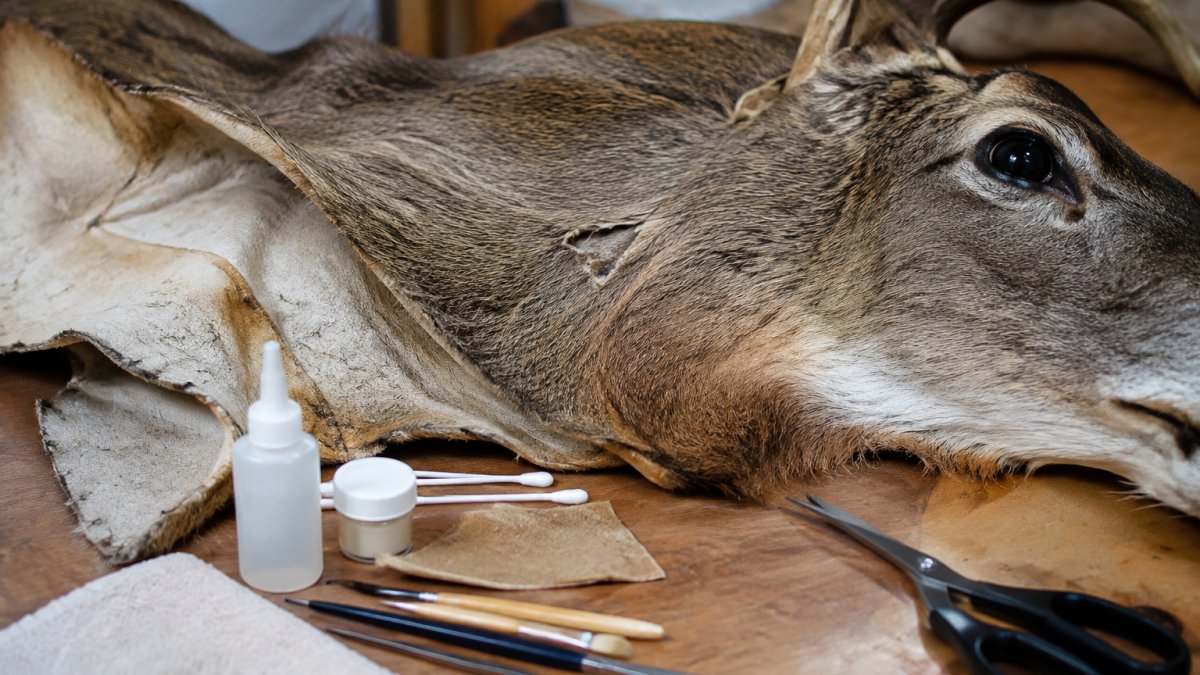
Testing suppleness, flexibility and dryness
Gently bend the pelt and feel how it responds. Good leather flexes easily and returns to shape. Stiffness, cracking, or a brittle feel points to dried-out leather that may tear with wear.
- Flex the backing slowly in several spots, especially near the seams.
- Press your thumb into the leather. It should give without cracking.
- Look for white or grey dry patches, which suggest the hide has lost its natural oils.
Separate condition from value. A stiff piece can still be a good buyer's bet if the price reflects the repair work it needs.
Checking for shedding, bald spots and cracks
Run your fingers through the fur and check for loose hairs. Heavy shedding on your hand is a warning sign. Look closely for bald spots where the fur has thinned or fallen out completely.
- Check high-wear areas such as cuffs, collars, and the hem.
- Look for cracks in the leather, especially along folds and seams.
- Note any tears, worn edges, or stains, and whether they look old or recent.
Watch out: a piece that sheds heavily or cracks along its folds may keep deteriorating after purchase, so store it away from heat and direct sunlight.
Grading Condition of Vintage Furs
A grade is only useful if it tells you what the piece will cost you after purchase. Score each area separately, then translate the score into a repair outlook and a value judgment. Condition, age, species, and workmanship are separate inputs; a piece can be old and well made and still be low value if the demand for that style has faded.
The inspection checklist
Work through these in order, because a failure early makes the later checks moot.
- Backing suppleness. Flex the leather at the shoulder, the hem, and along a seam. Pass: flexes and returns. Caution: slight stiffness at folds. Fail: cracks or a brittle, papery feel.
- Shedding. Run your fingers through the fur over a dark cloth. Pass: a few loose hairs. Caution: a light dusting. Fail: clumps on your hand.
- Bald spots and thinning. Check cuffs, collar, hem, and underarm. Pass: even coverage. Caution: minor thinning at high-wear points. Fail: visible leather through the fur.
- Seams and stitching. Tug gently at seams. Pass: tight and even. Caution: loose threads. Fail: open seams or torn lining.
- Stains, yellowing, and odor. Pass: none. Caution: faint odor that airs out. Fail: musty or smoke odor that persists, or stiff stained patches.
- Lining and interlining. Pass: intact and clean. Caution: minor wear. Fail: torn or heavily soiled.
Turning the checklist into a grade
- Excellent: Every check passes. Full, even fur, supple leather, no shedding, no cracks. Likely decades of wear left with routine care.
- Good: One caution-level result, typically minor thinning or a small stain. Leather still flexible. Wearable now with light maintenance.
- Fair: Two or more caution results, or one fail that is repairable, such as a torn lining or a small crack at a seam. Usable after professional repair.
Separating condition from value
Condition drives wearability; value is driven by species, workmanship, style, and current demand. A fair-condition mink coat in a classic cut can be worth more than an excellent-condition rabbit piece in an out-of-fashion style, because the buyer pool differs.
- Age adds character but does not by itself add value; a well-made 1960s piece and a poorly made 1990s piece can grade the same.
- Species matters for care and repairability: rabbit tears easily and is rarely worth major repair, while mink and fox hold up better to restoration.
- Workmanship shows in even seams, matched pelts, and a lining that fits without puckering.
Watch out: a stiff pelt that cracks when flexed will keep deteriorating regardless of how good the fur looks, so treat backing failure as a hard stop rather than a bargaining point.
Vintage Fur Identification Photos: What to Compare
Photos help most when you compare them side by side. When you shop, look at close-up images of the hair root, the leather backing, and any labels, and check them against the reference features in this guide.
Ask the seller for extra photos of the backing, the seams, and any damage. A seller who provides them gives you more to verify before you commit.
Ready to Start Sourcing Responsibly Harvested Fur
Once you can judge a pelt, the next step is finding a source you can trust. Ethically Fur is a marketplace for wild-harvested and responsibly sourced fur, raw pelts, and finished goods, and you can browse our listings to see what is available. If you want more detail on judging pelt quality and tanning, read our guide to identifying high quality taxidermy pelts. Our taxidermy supply sourcing tips for 2026 cover vendor vetting and budgeting.
Frequently Asked Questions
How can I tell if vintage fur is real without a label? Part the fur to check for a leather backing and distinct guard hairs and underfur.
Does a fur label prove a piece is authentic? A label is a useful starting point, but it should match what you see on the pelt.
Can damaged vintage fur be repaired? Some damage, such as loose linings or minor leather wear, can be repaired.
Frequently Asked Questions
How to tell if vintage fur is real?
Start by checking the leather backing: real fur has a visible skin side with hair follicles anchored in it, and the hairs root into the pelt rather than being woven into a fabric base. Gently part the fur and look at the base of the hairs. Faux fur is usually attached to a woven or knit backing and the fibers look uniform in length and sheen. Next, check the texture: real pelts feel supple and have varied guard hairs and underfur, while synthetic fibers often feel uniformly smooth or plasticky. Burn tests are not recommended for vintage garments because they can damage the piece, so rely on the visual and tactile checks above first.
Is vintage fur worth anything?
Value depends mainly on condition, the species, the size and completeness of the pelts, and whether the garment is still wearable or usable for crafts. A well-kept piece with supple leather, full hair coverage and intact seams generally holds more value than one with bald spots, cracks or stiffness. Separate condition from value: a garment can be in excellent condition yet have limited resale demand, and a rare species in poor condition may still have some value to repairers or artisans. Pricing varies widely, so compare recent sales of similar pieces rather than relying on a single figure.
What should you look for when buying a vintage fur coat?
Check the pelt side for dryness, cracks, stiffness and brittle edges, and flex the leather gently to confirm it still bends without splitting. Inspect the hair for shedding, thinning, bald spots and staining. Look at the seams, lining and stitching for tears or weak areas, and smell the piece for strong odors, which can indicate poor storage. Ask the seller whether labels or original tags are present, and request close-up photos of the backing and any damage before purchase.
How can you identify different types of vintage fur?
Compare hair length, texture, density and the appearance of the guard hairs and underfur. Longer, coarser guard hairs over dense underfur suggest one group of species, while short, velvety pelts suggest another. Use a reference chart and close-up photos of known species to compare patterns and color. When labels are missing, identification is less certain, so treat any species claim as an estimate until it is confirmed by the seller or an expert.