 how-to
How to Verify Wild Harvested Fur: A 2026 Guide
Table of Contents
- Why Verifying Wild Harvested Fur Matters
- Understanding Ethical Fur Sourcing Standards
- Physical Tests to Identify and Verify Fur Quality
- How to Identify Raw Animal Pelts by Species
- Documentation and Traceability Requirements
- Legal Requirements for Trapping and Fur Trade
- Verification Checklist for Buyers and Sellers
- Frequently Asked Questions
Last Updated: September 28, 2026
Why Verifying Wild Harvested Fur Matters
Knowing how to verify wild harvested fur is essential for anyone buying, selling, or working with raw pelts. Understanding authentic sourcing protects your investment and supports ethical practices. This guide walks you through practical methods to verify wild harvested fur and ensure you're getting genuine, ethically sourced materials.
Counterfeit or farm-raised pelts marketed as wild-harvested can cost you money and compromise project quality. Learning to verify wild harvested fur gives you confidence in every purchase.
Understanding Ethical Fur Sourcing Standards
Ethical fur sourcing, depending on your priorities, may mean pelts come from regulated trapping, sustainable population management, and transparent supply chains.
What makes sourcing ethical:
- Hunters and trappers follow state and federal regulations
- Trapping occurs during proper seasons when populations support harvest
- Wildlife conservation principles guide harvest decisions
- Sellers document the chain from trapper to buyer
- No endangered species are involved
When you verify wild harvested fur, you're checking that these standards were met.
Certification protocols vary by state, some use third-party audits, others rely on hunter licensing and harvest reporting.
If you are buying farmed furs, check on the farms documentation and ensure that they are following industries standards.
Physical Tests to Identify and Verify Fur Quality
Physical examination reveals whether fur is genuine and wild-harvested. Natural and synthetic fibers behave differently under heat.
The Burn Test for Synthetic vs. Natural Fur
The burn test quickly distinguishes real fur from synthetic alternatives.
How to perform the burn test:
- Pluck a small sample of guard hair from the pelt
- Hold it with tweezers over a flame (lighter or match)
- Observe what happens as it burns
- Note the smell and ash residue
Natural fur curls, shrivels, and smells like burning hair, leaving brittle ash. Synthetic fibers melt into a plastic-like ball with a chemical smell.
This test works because wild-harvested fur contains protein structures that respond to heat like human hair, while synthetic polymers melt.
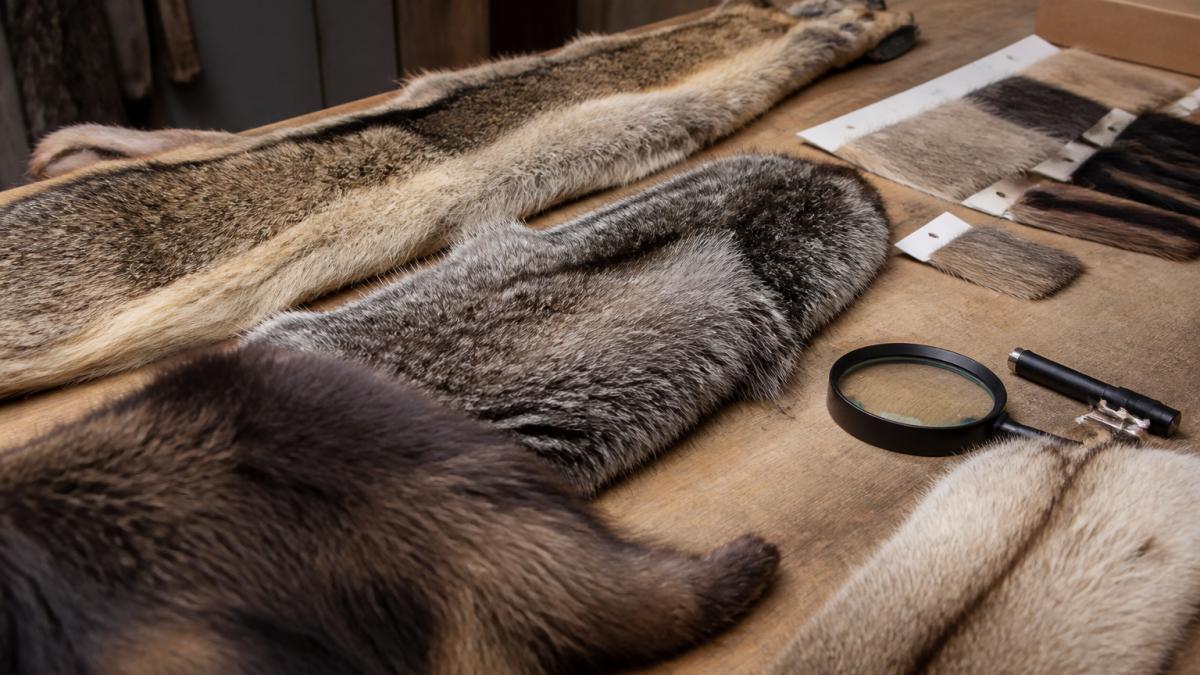
Examining Base Material and Guard Hair
Physical inspection reveals quality and authenticity. Wild-harvested pelts have distinct characteristics that farm-raised alternatives lack.
What to examine:
- Guard hair, the longer, coarser outer hairs that protect the underfur
- Underfur, the dense, soft insulation layer beneath
- Leather base, the skin the fur is attached to
- Density, how tightly packed the fibers are
Wild-harvested fur typically shows uneven guard hair length, dense underfur with natural color gradation, flexible leather with visible follicles, and a natural smell. Farm-raised fur appears more uniform with plastic-like backing.
How to Identify Raw Animal Pelts by Species
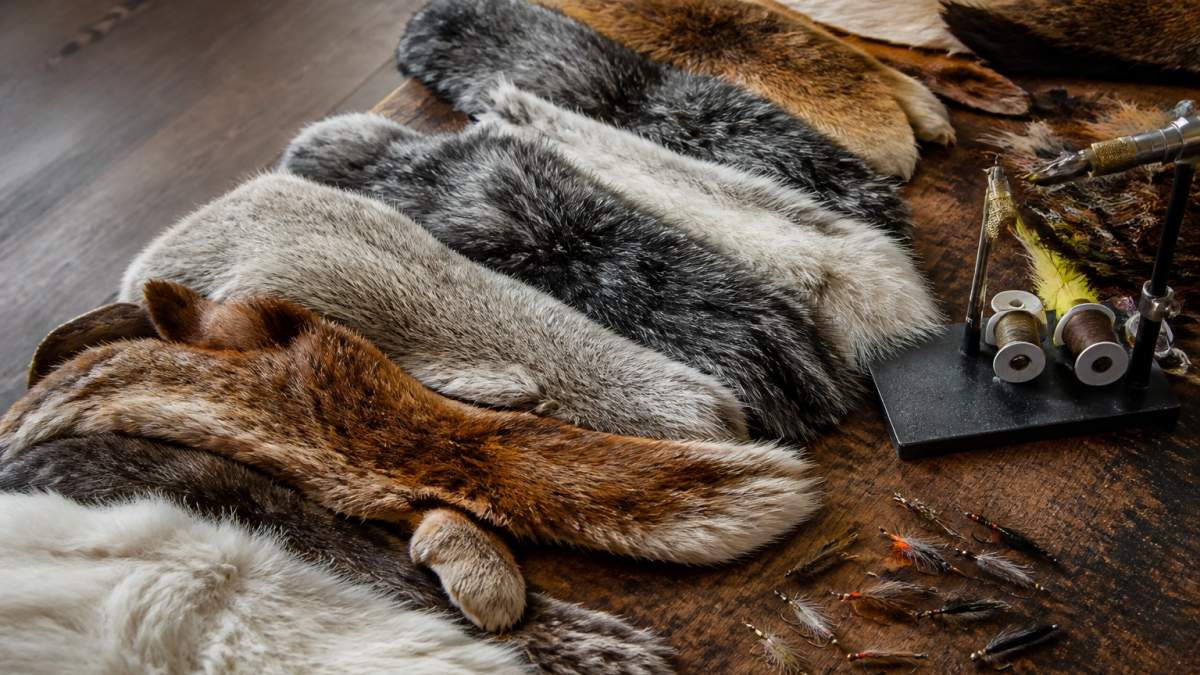
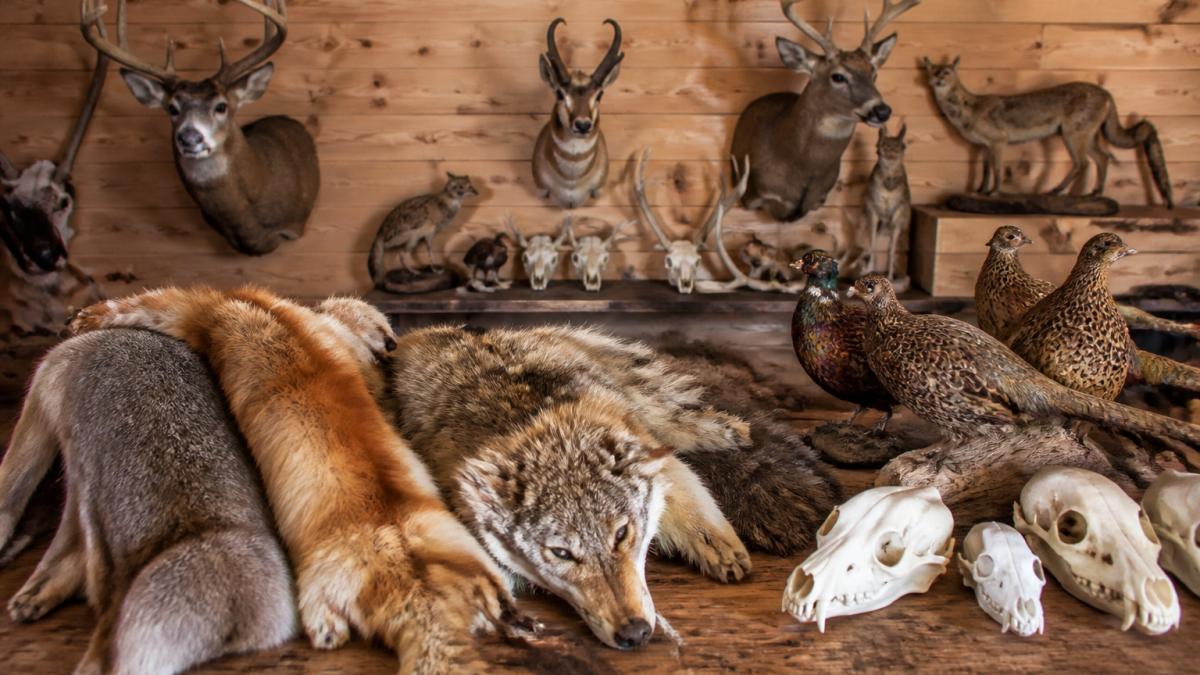
Different species have distinct characteristics. Identifying the correct animal helps you verify wild harvested fur and assess its value. Examine pelt size, tail characteristics, color patterns, guard hair length, underfur density, and leather base texture.
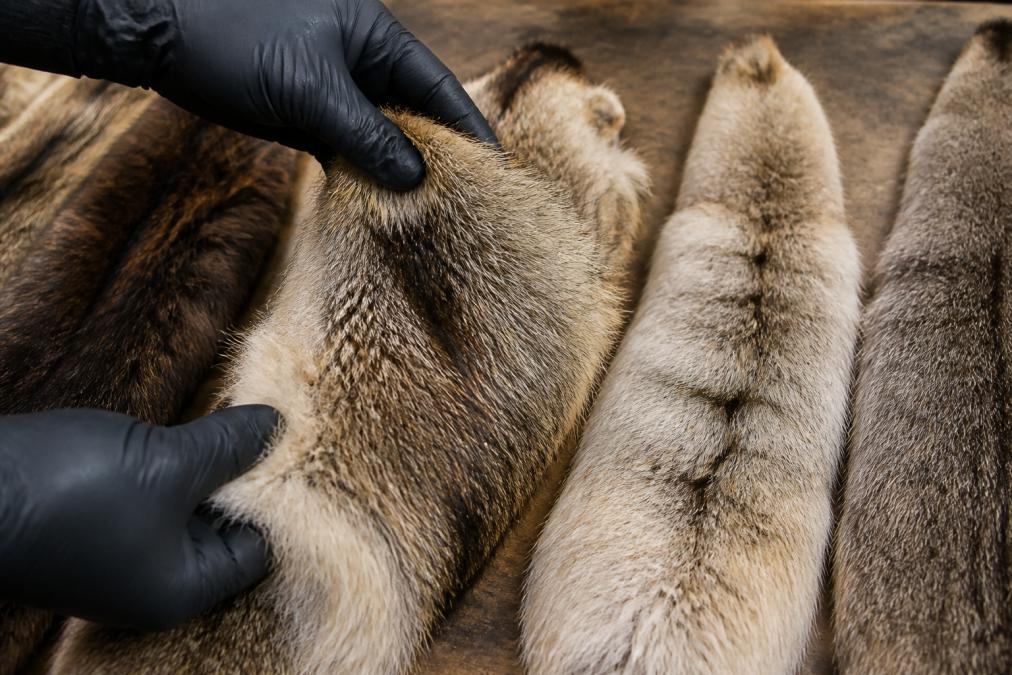
Beaver
- Size: Large (typically 24-36 inches long)
- Tail: Flat, paddle-shaped, covered in scales; dark brown or black
- Guard hair: Long, coarse, dark brown to black
- Underfur: Extremely dense and soft; grayish-brown; this is the most valuable part of the pelt
- Leather base: Thick and durable; shows natural follicles clearly
- Unique identifier: The scaled tail is unmistakable; no other common fur-bearing animal has this feature
Muskrat
- Size: Small to medium (12-16 inches long)
- Tail: Thin, rat-like, hairless or sparsely haired; dark brown
- Guard hair: Short to medium length; reddish-brown or dark brown
- Underfur: Medium density; softer than guard hair but less plush than beaver
- Leather base: Thin and flexible; shows fine follicle patterns
- Unique identifier: The thin, nearly hairless tail distinguishes it from all other species
Mink
- Size: Medium (18-24 inches long)
- Tail: Thin, tapered, fully furred; dark brown or black
- Guard hair: Fine, glossy, sleek appearance; dark brown to black; lies flat against the body
- Underfur: Dense but shorter than beaver; dark with slight sheen
- Leather base: Thin and supple; shows fine follicles
- Unique identifier: The glossy, sleek appearance and fine guard hair texture are characteristic; Wild harvested mink fur has a luxurious sheen that farm-raised mink often lacks
Raccoon
- Size: Large (24-32 inches long)
- Tail: Bushy, ringed with alternating dark and light bands; 8-12 inches long
- Guard hair: Coarse, salt-and-pepper coloring (mix of light and dark hairs); longer on the back
- Underfur: Dense, grayish-brown; provides insulation
- Leather base: Thick; shows natural aging and flexibility
- Unique identifier: The distinctive facial mask pattern (dark stripe across the eyes) and ringed tail are unmistakable; the salt-and-pepper guard hair coloration is unique among common species
Fox (Red, Gray, or Cross)
- Size: Large (28-36 inches long)
- Tail: Long, bushy, fully furred; tip often white or black depending on species
- Guard hair: Long, coarse, glossy; color varies by subspecies (red, gray, or mixed cross pattern)
- Underfur: Dense, soft, lighter in color than guard hair
- Leather base: Medium thickness; flexible for red and cross fox- Grey fox leather is thin like a rabbit
- Unique identifier: The long, bushy tail with contrasting tip color and the long guard hair distinguish fox from other species; color patterns (solid red, gray, or cross) help identify subspecies
Coyote
- Size: Large (32-40 inches long)
- Tail: Bushy, fully furred; dark brown or black
- Guard hair: Long, coarse, gray-brown or tan with dark tips; longer and coarser than fox
- Underfur: Dense, light gray or tan
- Leather base: Thick and durable; shows natural follicles
- Unique identifier: The coarse guard hair texture and gray-brown coloration distinguish coyote from fox; coyote pelts are typically larger and heavier
Visual Identification Guide: Guard Hair and Underfur Density
Documentation and Traceability Requirements
Documentation proves where a pelt came from and how it was handled. Traceability creates accountability in the supply chain and protects both buyers and sellers.
Essential documentation includes:
- Hunter/trapper license number and state
- Harvest date and location
- Species and pelt grade
- Chain of custody records (who handled the pelt at each step)
- Tanning or processing records if applicable
- Export/import permits for interstate or international sales
Third-Party Audit Standards and Certification
Legal Requirements for Trapping and Fur Trade
Federal and state laws govern trapping, fur sales, and interstate commerce. Understanding these regulations protects you legally and ensures you're supporting lawful practices.
Federal regulations:
- The Migratory Bird Treaty Act protects certain species from harvest (Migratory Bird Treaty Act of 1918)
- The Endangered Species Act prohibits trade in protected species (About the Endangered Species Act)
- The Fur Products Labeling Act requires accurate species identification on fur goods (the FTC)
- Interstate sales require proper permits and documentation
State-level requirements vary:
- Trapping seasons are set by each state's wildlife agency
- License requirements differ by state
- Some states prohibit trapping certain species entirely
- Selling unpermitted furs violates state law
Verification Checklist for Buyers and Sellers
Use this checklist when you verify wild harvested fur. It covers physical inspection, documentation, and legal compliance.
Verification Step | What to Check | Why It Matters |
|---|---|---|
Burn test | Guard hair curls and smells like burning hair | Confirms natural fiber, not synthetic |
Underfur density | Thick, soft layer beneath guard hair | Indicates quality and proper handling |
Leather base | Flexible, natural smell, visible follicles | Proves genuine animal skin, not backing |
Species identification | Size, color, tail, texture match known characteristics | Confirms pelt description accuracy |
Documentation | License number, harvest date, location, chain of custody | Proves legal and traceable origin |
Seller credibility | Transparent about sourcing, responsive to questions | Indicates honest business practices |
Legal compliance | Harvest location matches state regulations | Ensures lawful sale and possession |
Before you buy:
- Ask the seller for complete documentation
- Perform the burn test on a sample
- Examine the pelt's condition and quality
- Verify the species matches the listing
- Confirm the harvest location and season were legal
- Check for signs of damage or poor storage
- Ask about the pelt's age and tanning method
Before you sell:
- Gather all documentation from your harvest
- Have your hunting or trapping license ready
- Grade your pelt honestly and accurately
- Store pelts properly to maintain quality
- Be transparent about any damage or flaws
- List complete details about species, size, and condition
- Respond promptly to buyer questions
Frequently Asked Questions
How do I know if fur is ethically sourced?
Ethically sourced wild-harvested fur comes with documentation from licensed trappers, harvest permits, and traceability records. Look for sellers who provide chain-of-custody documentation, third-party audit certifications, and clear information about the trapper or hunter. Verify that the pelt meets state wildlife regulations and that the seller can trace the fur back to the original harvesting location and date. Ask for proof of compliance with animal welfare standards and sustainable population management practices.
What documentation should accompany wild harvested fur?
Wild-harvested fur should include harvest permits, state trapping licenses, species identification records, and tannery processing certificates if applicable. Documentation must show the harvest date, location, and trapper information. This traceability ensures compliance with wildlife regulations and confirms the fur did not come from industrial farming operations.
How can I tell what kind of fur I have?
Identify fur by examining guard hair color and pattern, underfur density, pelt size, and base texture. Compare these characteristics against species identification guides and reference pelts. The burn test helps confirm natural versus synthetic fiber. Examine the leather base for tannery marks or species labels. If you're unsure, consult a professional taxidermist or wildlife specialist. Sellers on ethical platforms should provide species identification in their listings with supporting photos.
What fur is illegal in the United States?
Federal law prohibits trade in endangered species pelts, including certain big cats, primates, and marine mammals protected under the Endangered Species Act. State regulations vary, but most prohibit trade in protected wildlife like bald eagles and certain raptors. Some states restrict sales of specific species like bobcat or river otter. Always verify current state regulations where the fur was harvested and where you plan to sell or use it. Check with your state's wildlife agency for a complete list of protected species.