 ultimate-guide
Identifying High Quality Taxidermy Pelts: A 2026 Guide
Table of Contents
- What Makes a Taxidermy Pelt High Quality
- Inspecting Fur Density and Underfur Condition
- Recognizing Signs of Hair Slip in Fur
- Assessing Leather Coloration and Tanning Quality
- Verifying Ethical Sourcing and Legal Documentation
- Your Pelt Inspection Checklist
- Frequently Asked Questions
Last Updated: September 25, 2026
What Makes a Taxidermy Pelt High Quality
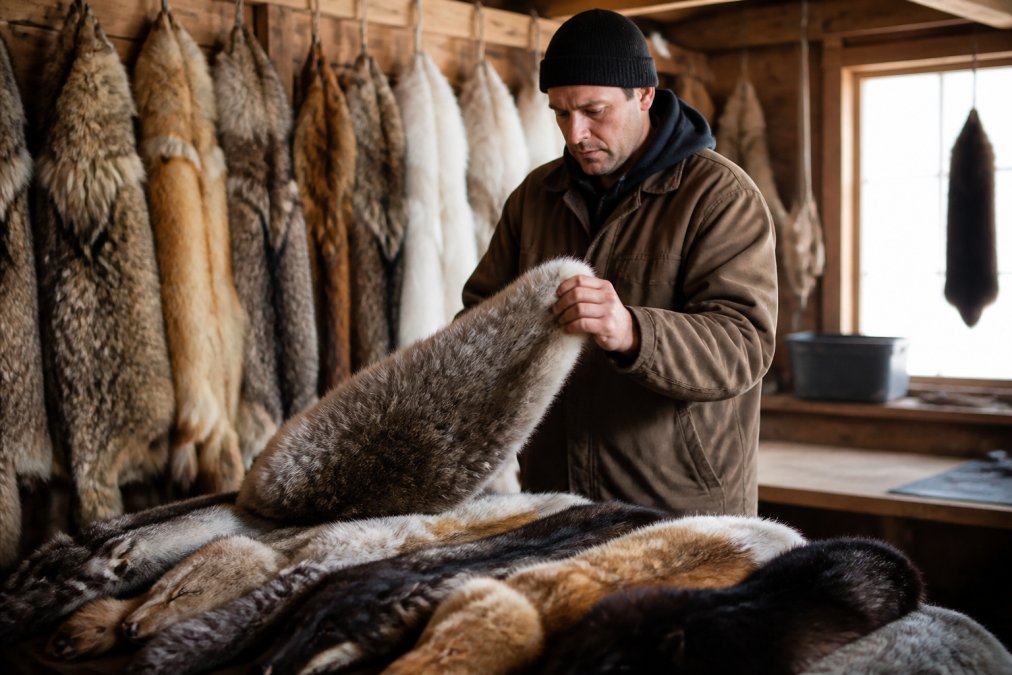
Identifying high quality taxidermy pelts requires understanding what separates a specimen worthy of your project from one that will disappoint. At Ethically Fur, we work directly with hunters, trappers, and craftspeople who depend on reliable sourcing. The difference between a mediocre pelt and an exceptional one comes down to a handful of critical factors: when the animal was harvested, how the hide was treated after harvest, and whether the fur itself has retained its density and suppleness.
A high quality taxidermy pelt starts with prime fur. This means the animal was harvested during the season when its coat reaches peak condition, thicker, denser, and richer in color. The leather underneath should be supple and free of damage. The hair follicles should be firmly rooted, with minimal shedding when handled. Beyond these fundamentals, the tanning process matters enormously. Poor tanning leaves the hide brittle or overly soft, compromising durability. Proper tanning creates a leather base that's flexible without being floppy, capable of holding the specimen's shape for decades.
The Role of Prime Fur vs Unprime Fur
Prime fur and unprime fur represent two entirely different products. Prime fur comes from animals harvested during their peak season, typically late fall through early winter for most species, when the underfur has fully developed and the guard hairs are at maximum density. The leather is thicker and more resilient. Unprime fur comes from animals harvested outside this window. The underfur may be sparse or patchy. The guard hairs can be thin or brittle. The hide itself is often thinner and more prone to damage.
For taxidermy work, prime fur is non-negotiable if you're creating life-size mounts or detailed specimens meant to last.
Seasonal Harvest Timing and Its Impact
The season when an animal is trapped or harvested directly determines pelt quality. Animals grow their winter coat in response to dropping temperatures. This process, called the prime season, typically peaks from November through February across most of North America, though timing varies by species and latitude. A mink or fox harvested in December will have denser fur than the same species harvested in June.
Inspecting Fur Density and Underfur Condition
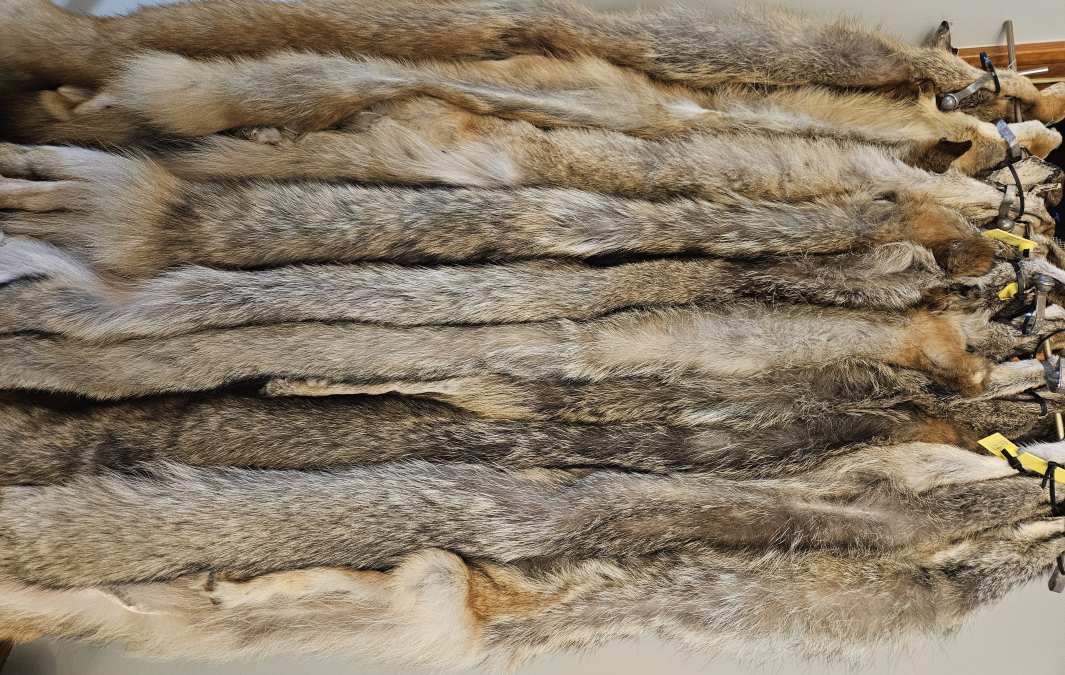
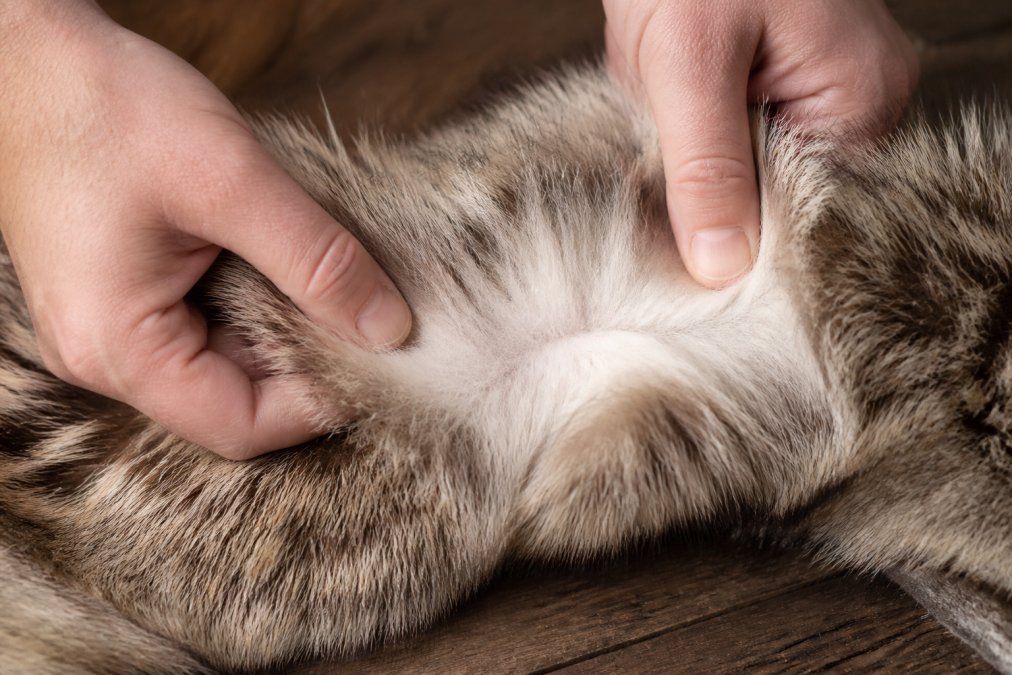
The foundation of pelt quality lies in fur density and the condition of the underfur layer beneath the visible guard hairs. To assess this, part the fur gently with your fingers or a fine comb and observe what lies underneath. Dense underfur should be visible immediately, a thick, soft layer that insulates the animal in nature. If you part the fur and see bare leather almost immediately, the underfur is sparse or missing, indicating either an unprime pelt or one that's been damaged.
Recognizing Signs of Hair Slip in Fur
Hair slip is one of the most serious defects in taxidermy pelts. It occurs when hair follicles lose their grip on the dermal layer, causing hair to shed when the pelt is handled or worked. Once hair slip begins, it accelerates. A pelt with minor hair slip today will have significant bald patches within months or years, rendering it unusable for quality taxidermy work.
Assessing Leather Coloration and Tanning Quality
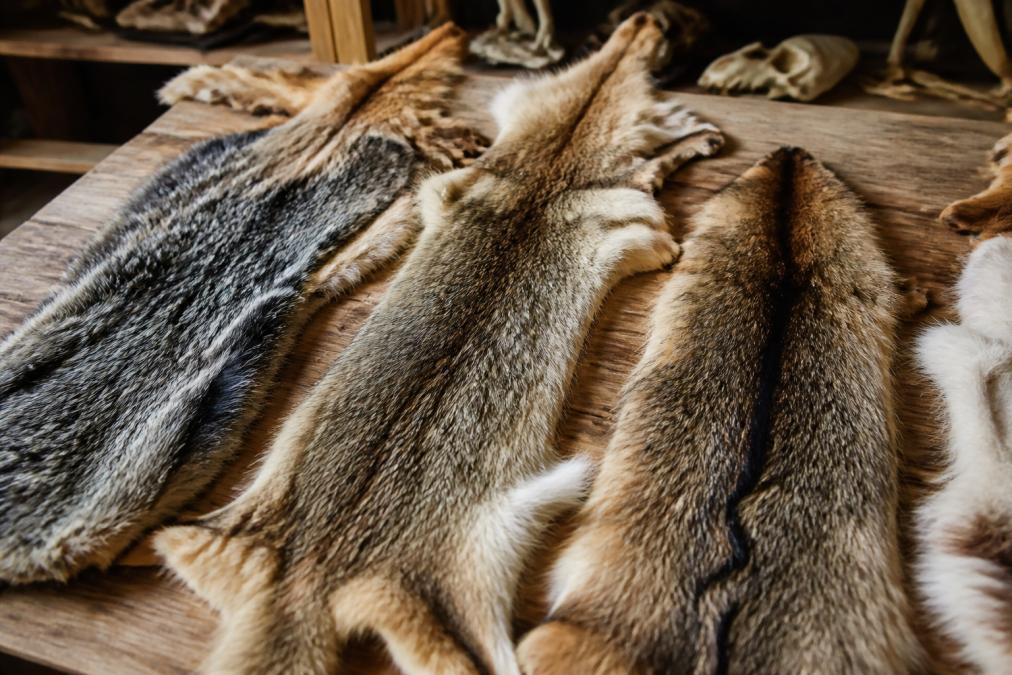
The leather side of a pelt reveals critical information about tanning quality and overall condition. High quality leather should be uniform in color, ranging from pale cream to medium tan depending on the species and tanning method. The color should be consistent across the entire hide, no dark patches, discoloration, or staining that suggests improper storage or chemical damage.
Detecting Post-Tanning Chemical Residue
After tanning, quality processors rinse and neutralize the hide to remove excess chemicals. Poor rinsing leaves residual tanning agents, preservatives, or other chemicals on the leather. These residues can damage hair follicles over time, accelerate deterioration, and create odors. To detect residue, wipe the leather side with a clean white cloth. If the cloth picks up staining or discoloration, chemical residue may be present.
Verifying Ethical Sourcing and Legal Documentation
Ethical sourcing is more than a marketing term, it's a legal and moral requirement for responsible taxidermy work. When sourcing pelts, verify that they come from legal, regulated hunting and trapping. This means the animals were harvested during legal seasons, by licensed hunters or trappers, in compliance with state and federal regulations.
Your Pelt Inspection Checklist
Use this checklist when evaluating a pelt before purchase or use:
Inspection Point | What to Look For | Pass/Fail |
|---|---|---|
Harvest Date | Prime season (Nov-Feb for most species) | Pass if documented |
Fur Density | Thick underfur visible when parted | Pass if substantial |
Hair Slip | Minimal hair loss when combed or tugged | Pass if <5 hairs per 10 strokes |
Leather Color | Uniform, consistent coloration across hide | Pass if no dark patches |
Leather Texture | Supple, slightly waxy, flexible | Pass if not brittle or mushy |
Chemical Odor | Faint leather smell only | Pass if no strong chemical smell |
Seam Integrity | Clean seams with no separation | Pass if aligned and tight |
Mold/Mildew | No visible growth or musty odor | Pass if clean |
Legal Documentation | Proof of legal, ethical harvest | Pass if documented |
Frequently Asked Questions
What does 'prime' mean when evaluating taxidermy fur?
Prime fur refers to pelts harvested during the animal's peak season when the underfur is densest and the guard hairs are fully developed and firmly rooted. Prime pelts have superior fiber integrity, better color saturation, and durability for taxidermy and crafting. Non-prime pelts harvested outside this window show thinner underfur, weaker hair follicles, and reduced suppleness, making them unsuitable for professional taxidermy work. Season of harvest directly determines primeness.
How can you tell if a taxidermy pelt has been tanned properly?
Properly tanned hides show consistent leather coloration (typically pale cream to light tan), supple texture without brittleness, and absence of foul odor. The dermal layer should feel soft and flexible, not stiff or papery. Check for even color across the entire hide; dark patches or discoloration suggest incomplete tanning or chemical residue. Run your fingers across the leather side; it should feel smooth and uniform without rough spots or chemical residue buildup.
What are the signs of hair slip in taxidermy pelts?
Hair slip occurs when hair follicles weaken and roots separate from the dermal layer, causing hair to shed. Signs include patches where hair pulls away easily when gently tugged, visible bald spots or thinning areas, loose hair clinging to the leather side, and a musty or foul odor indicating bacterial breakdown. Run your hand against the grain; if hair releases in clumps, slippage has already begun. This defect renders a pelt unsuitable for taxidermy and indicates poor preservation or improper curing.
How should you store natural fly tying feathers and pelts to prevent degradation?
Store pelts and feathers in cool, dry conditions between 50-70°F with humidity below 50% to prevent mold and fiber degradation. Use acid-free storage containers or sealed bags with cedar blocks or naphthalene to deter insects. Keep away from direct sunlight, which fades leather coloration and weakens hair follicles. Inspect inventory monthly for signs of pest damage, mold, or shedding. Proper storage preserves suppleness, prevents hair loss, and extends the usable life of your materials significantly.
How do you distinguish between high-quality and low-quality fur?
High-quality fur displays dense, uniform underfur with firmly rooted guard hairs, consistent leather coloration, and no signs of hair loss or slippage. The pelt feels supple and flexible with no brittleness or chemical odor. Low-quality fur shows sparse underfur, weak hair follicles that pull easily, discolored or damaged leather, visible bald patches, and often carries a foul odor. Grade the overall condition by checking texture, density, and specimen integrity; premium pelts meet professional taxidermy standards.
What should you look for when sourcing ethically harvested pelts?
Request documentation verifying wild-harvest or ethical farm sourcing from the seller. Confirm compliance with state and federal wildlife regulations governing species harvest. Ask about trapper or hunter credentials and seasonal harvest timing. Avoid suppliers unable to document their supply chain. Ethical sourcing ensures legal compliance, supports responsible wildlife management, and guarantees the pelt meets quality standards from responsible harvesting practices.
Does the season of harvest affect taxidermy pelt quality?
Yes, significantly. Pelts harvested during prime season (typically late fall through winter) have fully developed underfur, stronger hair follicles, and superior fiber integrity. Off-season harvests yield sparse underfur, weaker roots, and reduced durability. The curing and tanning process cannot improve underfur density developed during growth; it only preserves what exists. Professional taxidermists prioritize prime-season pelts because they provide better appearance, longevity, and resistance to hair slip and shedding.
What is microscopic fiber analysis and how does it help evaluate pelts?
Microscopic fiber analysis examines hair follicle structure, root attachment strength, and dermal layer integrity at magnified levels. This technique reveals early-stage hair slip before visible shedding occurs, detects chemical residue in the fiber shaft, and confirms proper tanning by examining fiber flexibility. While not necessary for basic inspection, microscopic analysis provides definitive grading for premium specimens and catches defects invisible to the naked eye, ensuring professional-grade quality for high-value taxidermy projects.