 How-to
Buying Vintage Fur Coats Online Safely: What to Check
Last Updated: November 3, 2026
Quick Summary
Buying vintage fur coats online safely means inspecting the collar and shoulders for thinning or bare patches, asking for flat measurements instead of trusting the tag, and paying only through a platform with buyer protection. Request close-ups of closures, lining and labels, and confirm the seller's return policy before you commit.
- Check the collar and shoulders first, since these are the highest-wear zones.
- Ask for flat measurements like pit to pit and sleeve length rather than listed sizes.
- Yellowing signals smoke, sun, or water damage; stiff patches mean dried-out leather.
- Search the seller's name and photos for scam reports before paying.
- Budget for professional cleaning, cold storage, and common repairs like lining replacement.
Table of Contents
- Vintage Fur Coat Condition Checklist: What to Inspect
- Vintage Fur Coat Sizing and Measurements: Getting the Fit Right
- Questions to Ask When Buying Vintage Fur and How to Verify the Seller
- What Vintage Fur Coats Usually Cost to Own
- Frequently Asked Questions
Vintage Fur Coat Condition Checklist: What to Inspect
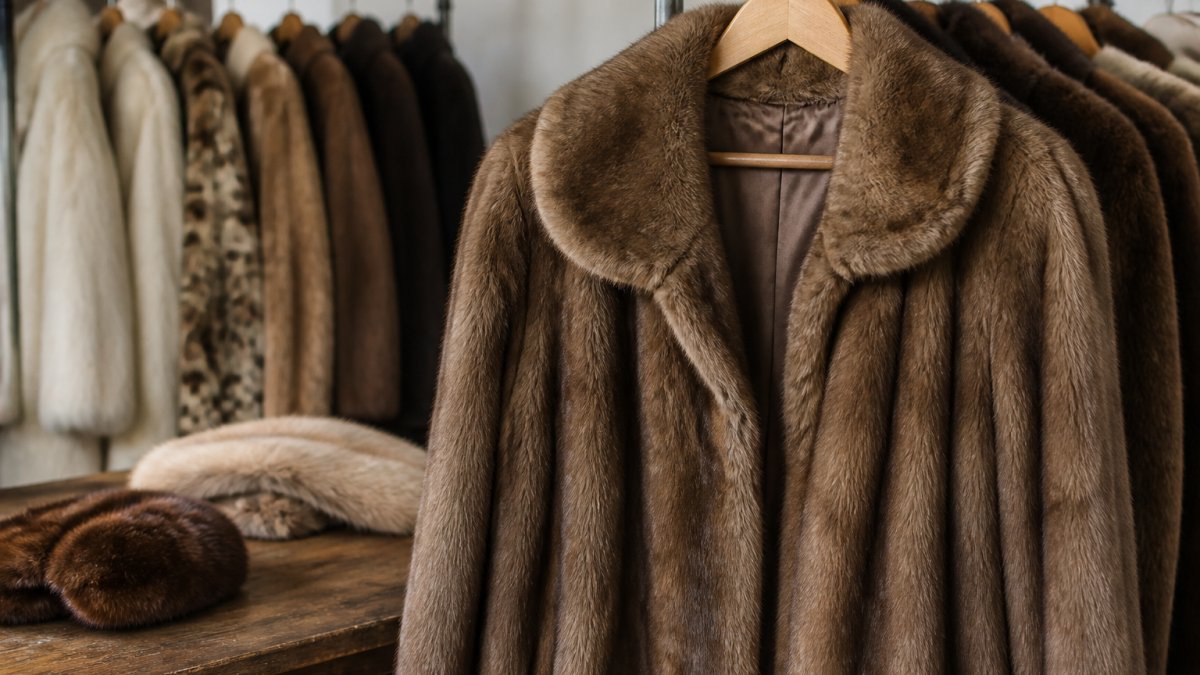
Buying vintage fur coats online safely starts with knowing where a coat wears out: photos can look flawless while the collar arrives bald.
Work through these in order:
- Collar and shoulders: highest-wear zones; check for thinning, matting, or bare patches.
- Closures and seams: ask for inside photos; split seams and shredded linings are common.
- Discoloration and rips: yellowing signals smoke, sun, or water damage.
- Texture: supple, not brittle; stiff patches mean dried-out leather.
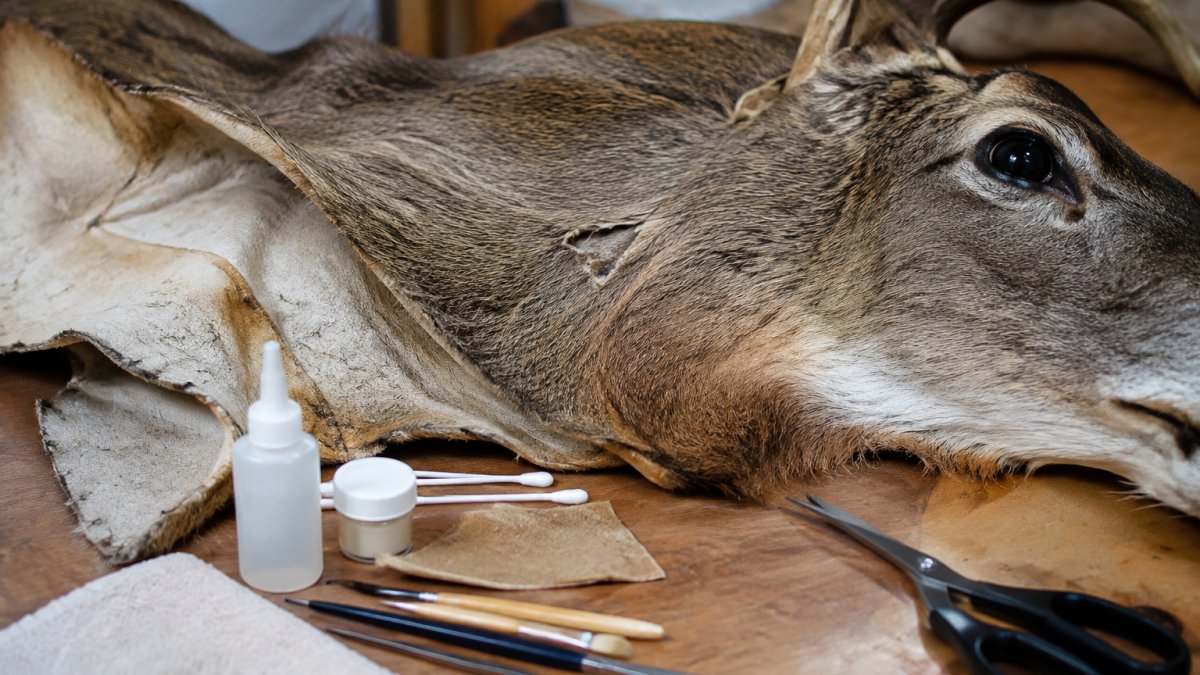
Compare against examples of professionally tanned, garment-quality hides; our guide on how to grade raw animal pelts for quality covers the same traits sellers use.
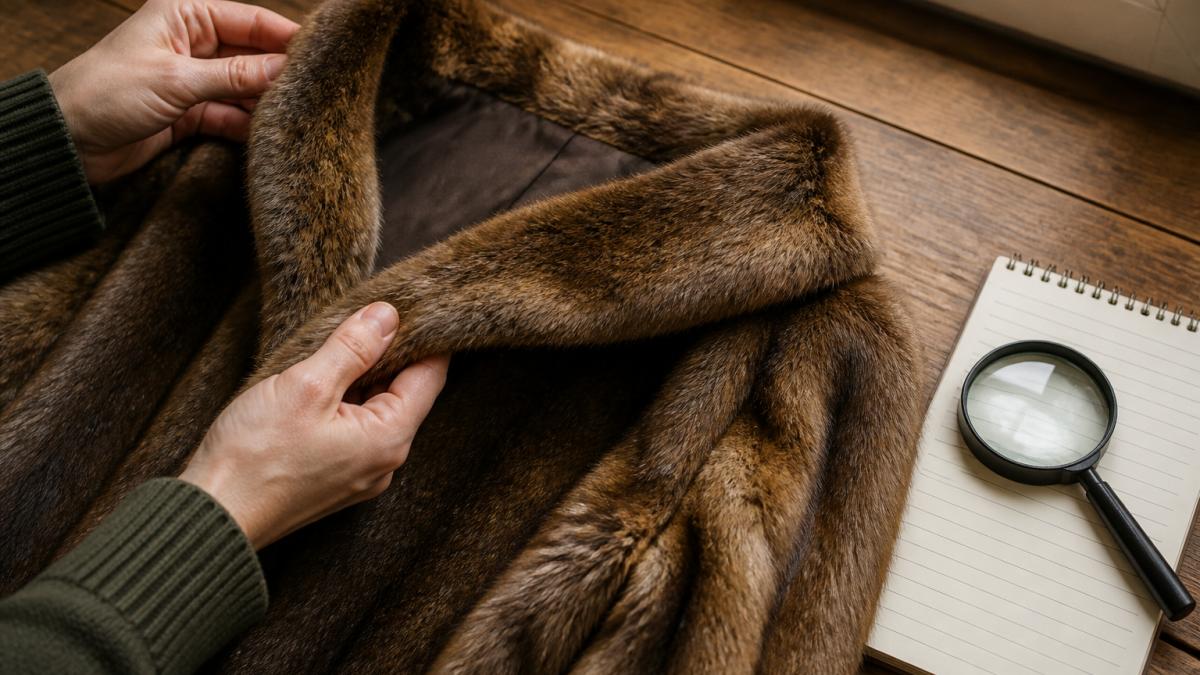
Check these wear points in order before you buy.
| Area | What to check |
|---|---|
| Collar and shoulders | Thinning, matting, or bare patches |
| Closures and seams | Split seams and shredded linings |
| Discoloration and rips | Yellowing signals smoke, sun, or water damage |
| Texture | Supple, not brittle; stiff patches mean dried-out leather |
Vintage Fur Coat Sizing and Measurements: Getting the Fit Right
Listed sizes can be unreliable, so ask for flat measurements rather than relying on the tag:
- Shoulder to shoulder, seam to seam
- Pit to pit, doubled for chest width
- Sleeve length, back length, and waist if belted or fitted
Lay your best-fitting coat flat and compare.
Questions to Ask When Buying Vintage Fur and How to Verify the Seller
A legitimate seller answers sourcing questions without flinching. Before you pay, ask:
- Where did the coat come from, and can they document it?
- Is it real or faux fur, and how did they confirm?
- Can they send close-ups of the collar, closures, lining, and labels?
- What is the return policy if condition doesn't match?
- How will it ship, and who covers transit damage?
Then verify: search the seller's name and photos for scam reports, pay through a platform with buyer protection, and never send payment off-platform. Ask for ethical fur sourcing documentation in plain terms, and read up on sustainable fur alternatives for fashion if weighing alternatives.
A seller who cannot tell you whether a coat is real or faux fur is one to question before buying. For the wider picture on sourcing standards, the U.S. Fish and Wildlife Service guidance on fur imports explains the rules that apply to wildlife products, and the FTC guidance on textile and fur labeling covers what a seller must disclose about fur content. The Smithsonian Institution's collections care resources also explains how fur and hide objects age, which helps you judge durability.
What Vintage Fur Coats Usually Cost to Own
The purchase price is only part of it. Cleaning, storage, and repairs add up, so budget for them before you buy.
- Professional cleaning: needed on arrival for most pre-owned coats
- Cold storage: off-season storage protects the leather from drying
- Repairs: lining replacement and seam fixes are most common
Ask a local furrier for a quote on the specific coat before you commit.
The challenge with pre-owned fur is simple: you cannot touch it before you buy, so you have to trust the seller and the paperwork. That's what we built Ethically Fur around. Our marketplace connects you directly with North American hunters, trappers, and ethical sellers, with wild-harvested and ethically farmed products and a transparent sourcing process. Get started with Ethically Fur and buy from sellers who can answer every question on this list.
Frequently Asked Questions
How can I tell whether a vintage fur coat is in good condition before buying online?
Ask the seller for close-up photos of the collar, closures, seams, lining, and any discoloration or rips. Run your own vintage fur coat condition checklist against those images: check for wear at the collar and cuffs, loose stitching, torn lining, and matted or shedding fur. Request a short video of the coat being flexed and shaken. If the seller cannot provide clear photos or avoids questions about damage, treat that as a reason to walk away.
What should I ask a seller before buying a vintage fur coat online?
Ask about the fur type, age, and any repairs or cleaning history. Request exact measurements: shoulder to shoulder, sleeve length, back length, and chest. Ask whether the coat has been stored properly and whether it has been exposed to smoke, pets, or damp. Confirm the return policy, shipping method, and buyer protection terms. Also ask for ethical fur sourcing documentation if the listing claims wild-harvested or responsibly sourced materials. Clear answers signal a serious seller.
How do I verify a vintage fur coat seller and avoid scams?
Check the seller's history, reviews, and how long the account has been active. Ask for additional photos with a handwritten date card next to the coat, and request a video call if the platform allows it. Confirm the payment method offers buyer protection, and read the return policy before paying. Be wary of prices far below market, pressure to pay off-platform, and listings that reuse stock photos. A step-by-step seller verification checklist reduces risk before any money changes hands.