 blog
Ethical Fur vs Industrial Farming: What Actually Differs
Table of Contents
- What Ethical Fur and Industrial Farming Actually Mean
- Wild-Harvested Fur vs Farmed Fur: Core Differences
- Fur Farming Animal Welfare: Living Conditions and Practices
- Fur Traceability and Certification: Verifying Ethical Claims
- Environmental Impact: Lifecycle Comparison
- Sustainable Fur Alternatives and Consumer Choices
- How to Choose Responsibly Sourced Fur
- Frequently Asked Questions
Last Updated: October 11, 2026
What Ethical Fur and Industrial Farming Actually Mean
The distinction between ethical fur vs industrial farming comes down to sourcing, animal welfare standards, and transparency. Understanding the difference between ethical fur vs industrial farming is essential for anyone sourcing materials responsibly.
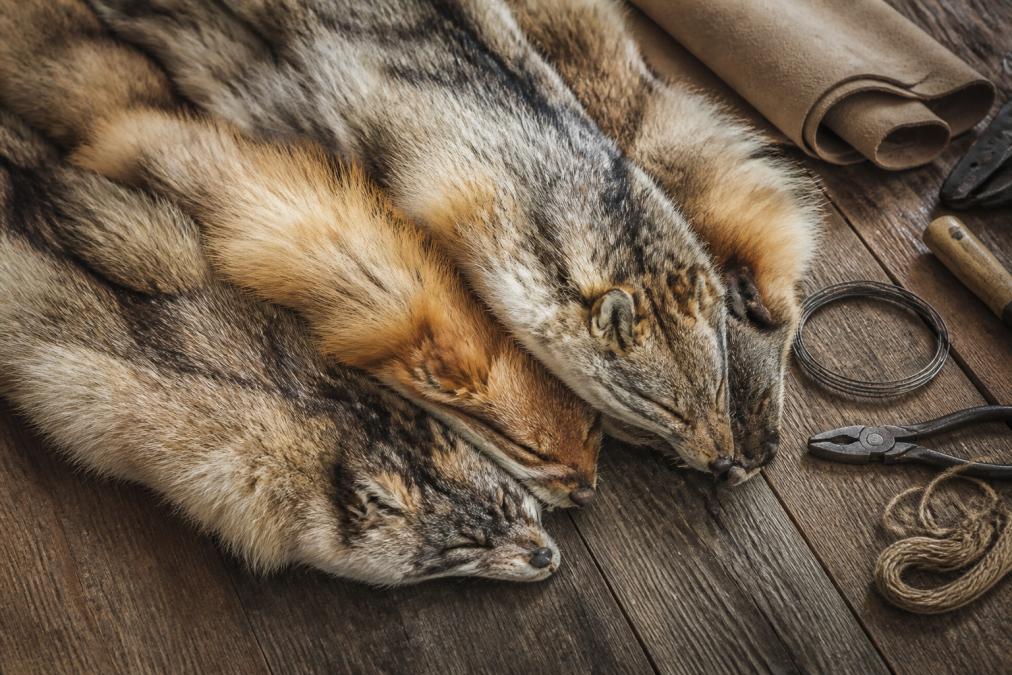
Ethical fur typically refers to wild-harvested pelts from regulated trappers or small-scale operations that prioritize animal welfare and environmental stewardship.
Consumers and crafters increasingly demand transparency about material sourcing. This guide explains the differences between ethical fur and industrial farming, how to verify claims, and what to know before sourcing.
Wild-Harvested Fur vs Farmed Fur: Core Differences
Wild-harvested and farmed fur represent fundamentally different production models. Each has distinct implications for animal welfare, environmental impact, and supply chain transparency.
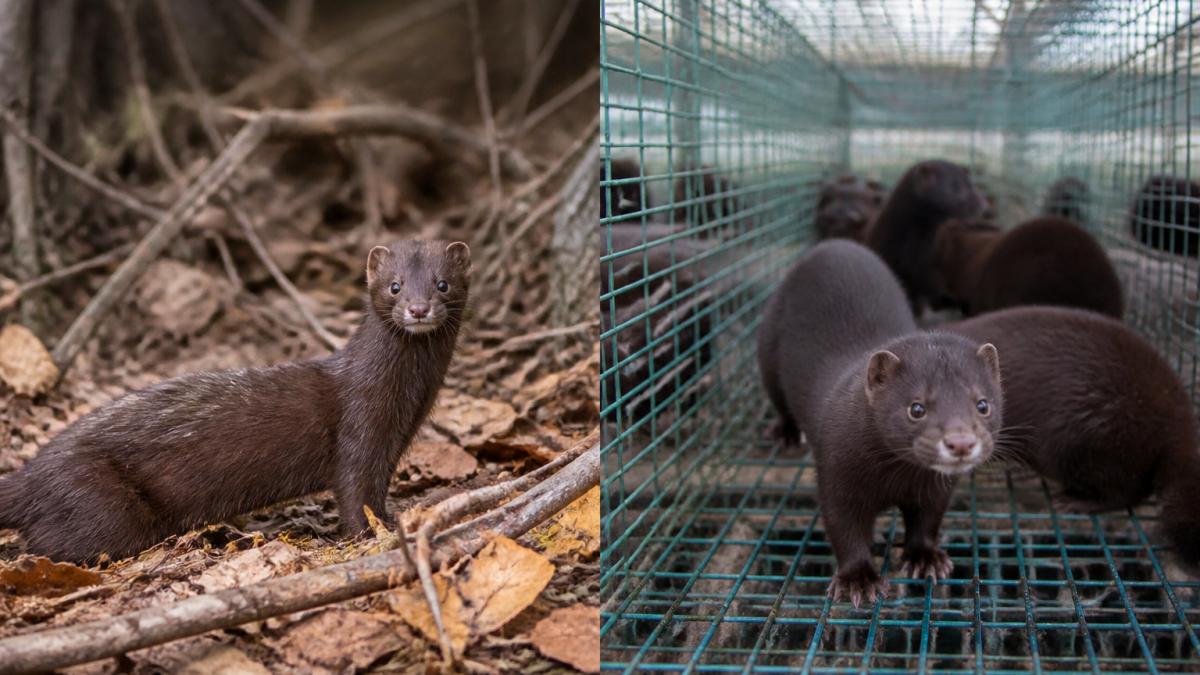
How Industrial Fur Farming Works
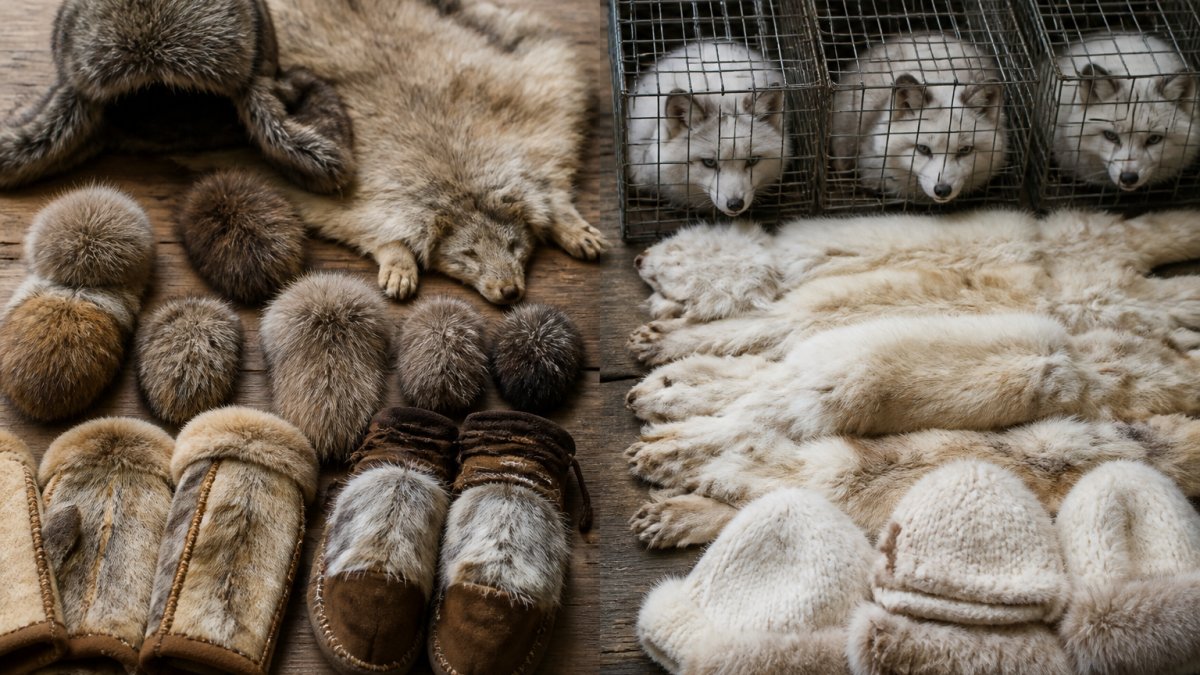
Industrial fur farming breeds animals like mink, foxes, and raccoon dogs in captivity, prioritizing volume and cost efficiency over individual animal welfare.
Factory farms use wire cages that restrict natural behaviors. Confined animals develop stereotypic behaviors, repetitive, stress-driven actions, from lack of environmental enrichment.
Industrial slaughter uses gas chambers, electrical stunning, or lethal injection. Speed and scale mean minimal individual handling and significant pre-slaughter stress.
Industrial farming provides consistent supply and predictable costs, appealing to large-scale buyers, but depends on high animal density and minimal welfare oversight.
Wild Trapping and Harvesting Methods
Wild trapping captures animals in their natural habitat under state and regional regulations that vary by location and species, depending on wild populations and seasonal availability.
Wild-harvested fur comes from animals living freely until capture.
Trapping seasons are regulated to protect breeding populations. Enforcement varies by jurisdiction and depends on individual trapper ethics and local oversight.
Wild trapping introduces supply variability based on seasonal patterns and population cycles. Sourcing requires working directly with trappers or specialized suppliers who understand regional compliance.
Fur Farming Animal Welfare: Living Conditions and Practices
Animal welfare in fur production differs dramatically between industrial and ethical operations. Housing standards, stress levels, and slaughter methods all reflect the system's priorities.
Captive Breeding and Housing Standards
Industrial farms house animals in wire cages designed for density and cleaning, not comfort. A typical mink cage measures roughly 12 inches wide by 24 inches long.
Confined housing prevents natural behaviors. Semi-aquatic mink get no water for swimming; territorial foxes that range miles in nature are confined to a few square feet.
Stress indicators include hair loss, self-injury, and repetitive pacing. Veterinary care focuses on disease prevention rather than individual animal welfare.
High-welfare farms provide larger enclosures, nesting materials, and water access, reducing stress-related illness despite higher operating costs.
Slaughter Methods and Stress Factors
Industrial slaughter prioritizes speed and throughput using gas chambers, electrical stunning, or lethal injection. Individual animal experience is secondary.
Pre-slaughter stress damages pelt quality through shedding and discoloration, but the volume-based model absorbs these losses.
Ethical harvesting involves minimal stress and quick killing in the field or controlled settings. Trained trappers aim for instantaneous unconsciousness and death in killing sets and minimal stress restraint in non-lethal sets.
Low-stress animals produce better-quality pelts with superior color consistency and fur integrity, creating economic incentive for higher-welfare practices.
Fur Traceability and Certification: Verifying Ethical Claims
"Ethical fur" is not legally defined in the United States. Sellers use it to describe different sourcing methods, welfare standards, and production scales. Understanding what each claim means is essential before purchase.
Defining and Verifying Common Ethical Fur Claims
Wild-harvested or wild-trapped fur means the animal was captured in its natural habitat under state and federal regulations. Verification requires:
- Trapper license number (issued by state wildlife agency)
- Harvest permit or harvest report documentation
- Specific harvest location (state, region, or county, not vague geographic references)
- Harvest date or season
- Species identification
Verify trapper licenses and harvest reports through state wildlife agencies, which maintain public records.
High-welfare farmed fur refers to captive-bred animals raised under welfare standards above industrial minimums. Verification is more complex because U.S. federal standards for fur farming are minimal. Look for:
- Third-party audit reports or certification from recognized programs (e.g., Fur Commission USA standards, though participation is voluntary)
- Facility visit documentation or photos showing housing size, enrichment materials, and animal conditions
- Specific welfare metrics: cage or enclosure dimensions, access to water for swimming (for semi-aquatic species), nesting materials, veterinary care records
- Producer willingness to answer detailed questions about animal density, mortality rates, and slaughter methods
No single certification standard governs U.S. fur farms. The Fur Commission USA publishes voluntary guidelines; participation is not mandatory.
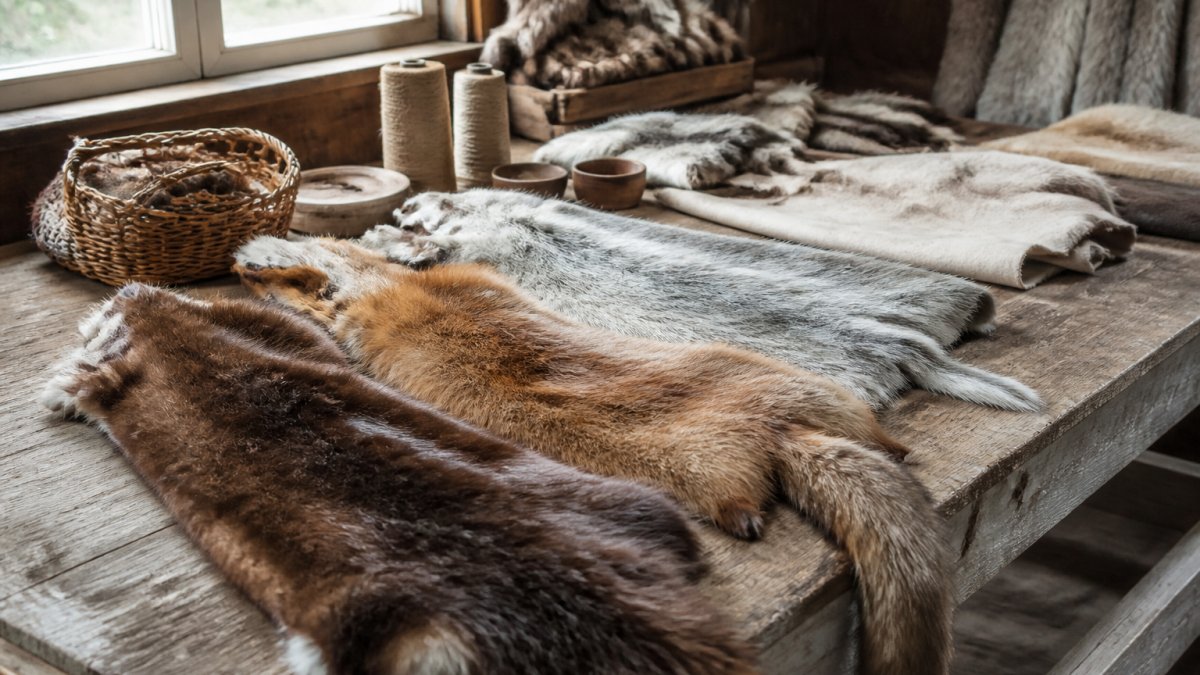
Vintage or second-hand fur means the garment or pelt was previously owned and is being resold. Verification is straightforward, the item exists and has a history of use.
Reclaimed or repurposed fur refers to fur byproducts from garment manufacturing salvaged for new projects.
Documentation and Sourcing Verification
Ethical fur sourcing depends on chain-of-custody documentation connecting the pelt to its origin, trapper or farm, region, and harvest date. Without documentation, claims are unverifiable.
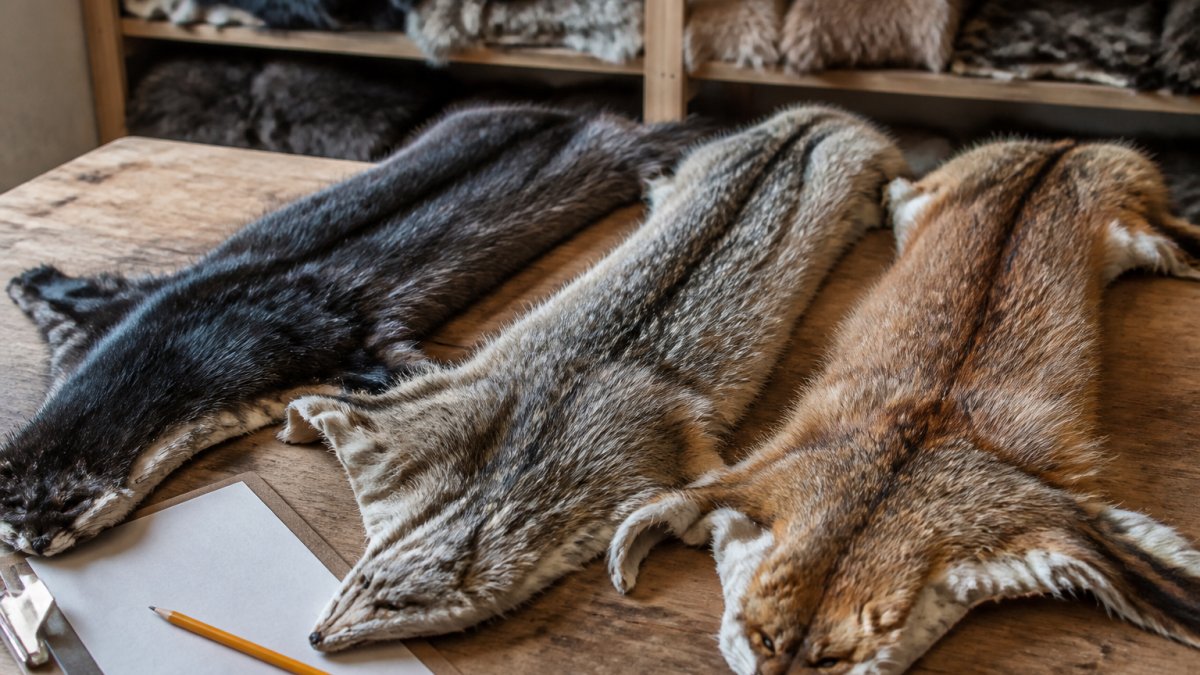
Wild-harvested fur can be traced through trapper licenses, harvest permits, and seller records. Request specific documentation: "from licensed trapper #4521 in Hennepin County, Minnesota, harvest date November 2025" is verifiable; "from a licensed trapper in the region" is not.
Farmed fur sourcing is more opaque. Industrial farms often do not track individual animals or welfare metrics. Many farms resist third-party inspection, citing proprietary concerns, a red flag; transparent operations welcome verification.
Regulatory Standards and Enforcement
Trapping regulations vary significantly by state. Some require licensing, harvest reporting, and specific trap types; others have minimal oversight.
U.S. fur farming regulations are minimal compared to international markets. The EU has stricter welfare requirements and bans fur farming in several member states. Canada requires humane killing standards.
State-level enforcement depends on wildlife agency resources. Well-funded states monitor compliance; under-resourced areas have minimal enforcement. This creates inconsistency in what "regulated trapping" means.
Third-party certification programs audit facilities and verify documentation, but standards vary and participation is voluntary. Verify certifications are current and from organizations with published standards and independent audits.
A Practical Verification Checklist
When evaluating a fur source, verify: sourcing method (wild-harvested, farmed, vintage, or reclaimed); specific origin (trapper license, farm name, location, harvest date); independent confirmation through state agencies or audits; welfare standards; current certifications; seller transparency; and realistic pricing. Ethical sourcing costs more than industrial production. Sellers who provide detailed documentation are more credible than those who deflect with vague assurances.
Environmental Impact: Lifecycle Comparison
The environmental footprint of fur production depends on the system. Industrial farming, wild trapping, and synthetic alternatives create different pressures on land, water, wildlife, and climate.
Lifecycle Stages and Boundaries
A complete lifecycle assessment (LCA) of fur includes feed production, animal raising, slaughter and processing, tanning and dyeing, transportation, use phase (typically 5-20 years), and end-of-life. Synthetic fur includes petroleum extraction, fiber production, dyeing, transportation, use, and end-of-life (landfill or incineration, as synthetics do not biodegrade). Natural alternatives vary by material and production method.
Most published LCA studies focus on one or two stages, not the full lifecycle. Industry-funded studies often exclude unfavorable stages. Independent research is limited.
Resource Use and Pollution in Industrial Fur Farms
A 10,000-animal mink farm consumes approximately 2,000-2,500 tons of feed annually, typically rendered animal byproducts.
A typical mink farm uses 10,000-20,000 gallons of water per day for cleaning and animal care. This water becomes contaminated with animal waste and requires treatment or disposal.
A 10,000-animal farm generates roughly 50-100 tons of manure annually. Concentrated waste can contaminate soil and water, introducing nutrients and pathogens into local waterways.
Tanning and dyeing use solvents, dyes, and finishing chemicals. Chrome tanning uses chromium salts; vegetable tanning uses tannins but requires more water.
A 10,000-animal mink farm consumes 500-1,000 megawatt-hours of electricity annually, plus heating fuel.
Wildlife and Ecosystem Effects of Wild Trapping
Regulated trapping is designed to be sustainable, but enforcement and biological understanding vary. Over-trapping can reduce populations below sustainable levels, affecting predator-prey relationships.
Trapping methods affect non-target species. Live traps reduce bycatch risk but are labor-intensive. Foothold traps and snares create injury risk.
Trapping predators can indirectly affect prey populations; trapping prey can affect predator populations. These cascading effects are difficult to predict.
Wild-harvested fur operates within existing ecosystems without industrial infrastructure. However, trapping pressure must remain sustainable. Many states lack detailed population data for trapped species, making it difficult to set truly sustainable harvest levels.
Comparative Environmental Footprint: Fur, Faux Fur, and Alternatives
Wild-harvested fur: Minimal infrastructure and energy use. Biodegradable. Environmental impact depends on trapping pressure and bycatch. If sustainable, impact is relatively low.
Farmed fur: High resource use (feed, water, energy, chemicals). Biodegradable. Carbon footprint: 10-20 kg CO2 equivalent per pelt.
Synthetic fur: Petroleum-based, energy-intensive. Non-biodegradable; contributes to microplastic pollution. Carbon footprint: 5-15 kg CO2 equivalent per garment.
Wool: Lower resource use if pasture-raised. Biodegradable. Carbon footprint: 5-20 kg CO2 equivalent per kilogram.
Leather: Resource-intensive. Biodegradable but slow. Carbon footprint: 15-25 kg CO2 equivalent per kilogram.
Plant-based alternatives: Resource use varies by agricultural practices. Biodegradable. Carbon footprint: 2-10 kg CO2 equivalent per kilogram.
Key Uncertainties and Industry Claims
Many environmental claims about fur are not independently verified. Farmed fur is biodegradable but has high production impacts. Synthetic fur has lower production impacts but creates persistent microplastic pollution.
Independent lifecycle assessments are limited. Most published studies are industry or advocacy-funded. Peer-reviewed, independent LCA studies are rare.
A transparent environmental comparison acknowledges trade-offs: farmed fur has high production impacts but is biodegradable; synthetic fur has lower production impacts but creates microplastic pollution; alternatives vary widely. No single material is environmentally optimal across all lifecycle stages.
Sustainable Fur Alternatives and Consumer Choices
Consumers have multiple options: faux fur eliminates animal welfare concerns but creates microplastic pollution; vintage and second-hand fur reduces demand for new production; recycled fur from industrial byproducts uses materials that would otherwise be discarded; wild-harvested fur from regulated trappers aligns with sustainability and animal welfare goals. The choice depends on project requirements, material quality, and ethical priorities.
How to Choose Responsibly Sourced Fur
Request specific traceability information (harvest location, trapper ID, harvest date) and verify through state wildlife agencies. Check for third-party certification or audit results. Understand the supply chain, direct purchase from trappers is more transparent than buying through multiple middlemen. Evaluate consistency and availability; reliable suppliers maintain documentation and answer detailed questions.
Sourcing fur responsibly requires understanding the systems behind it. When you're ready to source materials that align with your values, Ethically Fur offers direct access to wild-harvested and ethically farmed products from North American trappers and producers.
Frequently Asked Questions
How can I verify that fur is actually ethically sourced and wild-harvested?
Ethical fur sourcing requires documentation from the seller showing trap location, harvest date, and trapper identity. Ask for proof of wild harvest rather than farm origin. Marketplaces like Ethically Fur connect you directly with hunters and trappers. Avoid sellers who cannot provide chain-of-custody documentation or refuse to answer questions about where and how the animal was harvested.
What is the main difference between ethical fur and industrial farming?
Ethical fur typically comes from wild-harvested sources where animals live naturally until harvest, while industrial farming confines fur-bearing animals in factory farms for their entire lives. Wild-harvested fur involves regulated trapping seasons and quotas set by wildlife agencies to maintain population health. Industrial farms prioritize volume and cost reduction, often using practices that cause stress and stereotypic behavior in captive animals. The sourcing transparency and environmental impact also differ significantly between the two approaches.
Is wild-harvested fur more sustainable than farmed fur?
Wild-harvested fur can be more sustainable when managed under regulated trapping seasons and population quotas enforced by wildlife agencies. This approach avoids the resource-intensive feed, water, and chemical processing demands of factory farms. However, sustainability depends on specific practices: poorly regulated trapping can harm non-target species through bycatch, while well-managed industrial farms with waste treatment may have lower environmental impact in some metrics. The key is verifying that wild trapping operates under state or federal wildlife management oversight with documented population monitoring.
What animal welfare concerns exist in fur farming?
Fur-bearing animals in factory farms experience confinement in wire cages, limited space for natural movement, and chronic stress that triggers stereotypic behaviors like pacing and self-injury. Mink, foxes, and raccoon dogs are highly territorial and solitary in the wild but are housed in crowded conditions. Slaughter methods vary in humaneness; some farms use carbon dioxide or electrocution, both of which can cause suffering if not performed correctly. Living conditions typically lack environmental enrichment, proper temperature control, and space for natural behaviors, raising significant welfare concerns compared to wild animals living in their natural habitats.