
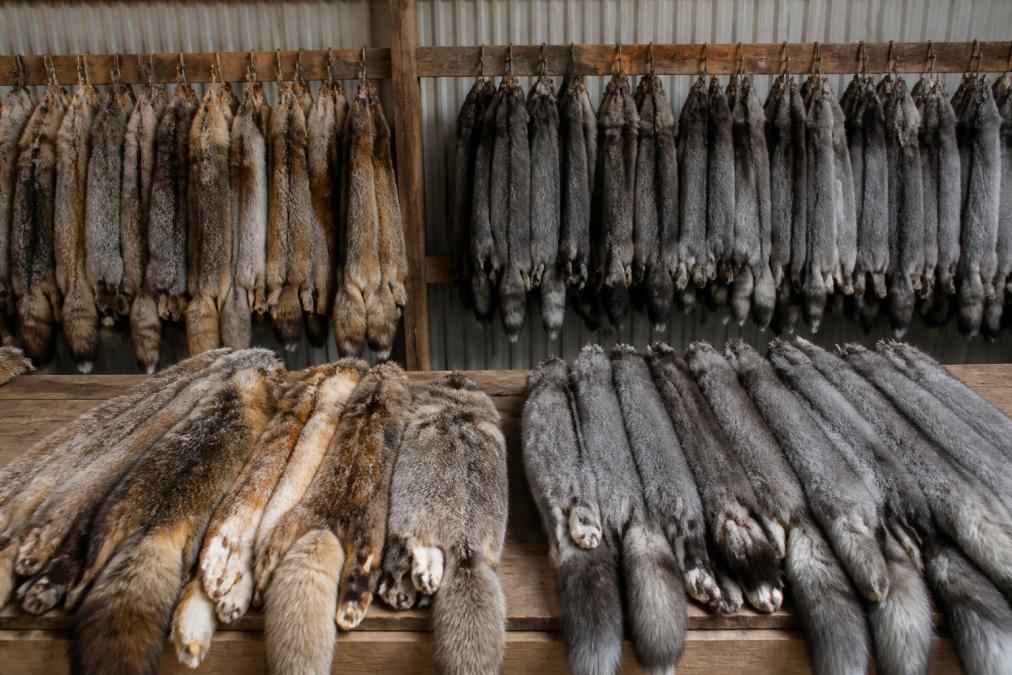
 comparison
Wild Harvested vs Farmed Fur: Key Differences
Table of Contents
- Wild Harvested vs Farmed Fur: Defining the Core Differences
- Nutritional Profile and Fatty Acid Content
- Environmental Impact and Sustainability Metrics
- Sustainable Fur Sourcing Practices and Supply Chain Traceability
- Ethical Trapping Methods and Animal Welfare Standards
- Fur Quality Comparison Guide: What Buyers Need to Know
- Making Your Choice: Wild Harvested or Farmed Fur
- Frequently Asked Questions
Last Updated: September 18, 2026
Wild Harvested vs Farmed Fur: Defining the Core Differences
Understanding wild harvested vs farmed fur matters more than most buyers realize. Wild harvested fur comes from animals trapped or hunted in their natural habitats, while farmed fur is produced in controlled environments where animals are bred specifically for pelt production. Understanding these differences shapes everything from sustainability impact to product quality to ethical sourcing transparency.
The choice between wild harvested versus farmed fur isn't simply about availability, it's about traceability, environmental footprint, and the level of domestication involved in production.
Wild harvested fur typically comes from trappers and hunters across North America who follow regulated seasons and population management practices. Farmed fur, by contrast, relies on captive breeding operations where animals live their entire lives in controlled environments. Each approach carries distinct advantages and limitations that matter to crafters, taxidermists, and ethical sourcing advocates.
Nutritional Profile and Fatty Acid Content
When examining fur quality, the animal's diet and living conditions directly influence the pelt's characteristics. Wild harvested animals consume their natural diet in their native habitat, which shapes the fur's density, color, and texture. These animals develop thicker guard hairs and denser underfur as natural adaptation to seasonal temperature changes.
Farmed animals typically receive commercial feed formulated for growth and pelt development. This controlled diet produces consistent results but often lacks the nutritional complexity that comes from varied natural foraging. The fatty acid composition of the pelt, including omega-3 and omega-6 balance, differs noticeably between wild and farmed sources.
Wild harvested fur tends to have fat content distribution that contributes to durability and water resistance. Farmed fur, while uniform, sometimes shows less resilience in high-use applications like fly-tying or taxidermy work requiring repeated handling.
The commercial feed used in farmed operations prioritizes rapid growth over nutritional depth. This efficiency trade-off means farmed pelts may require more careful conditioning and treatment to achieve the same performance as wild harvested alternatives.
Environmental Impact and Sustainability Metrics
The environmental footprint of fur production divides sharply between these two sourcing methods. Wild harvested fur operates within existing ecosystems, with trappers following regulated seasons designed to maintain population balance. This approach requires minimal infrastructure, no buildings, feed production, or waste management systems dedicated to pelt production.
Farmed fur operations demand significant resources: land, water, feed production, and waste management infrastructure. The environmental cost of raising animals in captivity includes the ecological footprint of commercial feed crops, water usage for cleaning facilities, and waste disposal.
However, wild harvesting carries its own environmental considerations. Unregulated trapping can disrupt local wildlife populations and ecosystem balance. The key difference lies in how these impacts are managed: wild harvesting operates within existing wildlife management frameworks, while farmed operations create entirely new environmental demands.
Sustainable fur sourcing practices emphasize supply chain traceability and regulatory compliance. When wild harvested fur comes from licensed trappers following state and federal regulations, it supports population management that prevents overharvesting. Ethically Fur prioritizes sourcing from trappers who document their methods and respect seasonal closures designed to protect breeding populations.
Biodiversity considerations favor wild harvesting when properly regulated. Farmed operations concentrate animals in high densities, creating disease risks and requiring pharmaceutical interventions. Wild populations maintain natural genetic diversity and ecological function.
Sustainable Fur Sourcing Practices and Supply Chain Traceability
Ethical sourcing transparency separates responsible suppliers from those cutting corners. True supply chain traceability requires documentation at every step: from the trapper's harvest records through processing, storage, and final sale. This documentation proves the fur's origin, the method of harvest, and compliance with regulations.
Ethically Fur maintains direct relationships with North American trappers and hunters. Our suppliers provide harvest documentation, including the species, harvest date, and location. This level of transparency protects both buyers seeking ethical materials and trappers building reputation for responsible practices.
Farmed fur operations can also demonstrate traceability, but the documentation typically focuses on farm management and animal husbandry practices rather than wild population impact. The key difference: wild harvested fur requires proof that harvest occurred within legal seasons and population limits, while farmed fur documentation emphasizes facility standards and animal care protocols.
Regulatory standards vary by state and species. Some states require trappers to report harvest numbers to wildlife agencies, creating a public record. Other states maintain less formal tracking. Buyers seeking the highest transparency should prioritize pelts from trappers operating in states with mandatory reporting requirements.
The marketplace for unverified fur creates perverse incentives. When buyers cannot distinguish between ethical and unethical sourcing, suppliers have no competitive advantage for responsible practices. Platforms that demand documentation, like Ethically Fur, shift market dynamics toward sustainability by making ethical sourcing the baseline expectation rather than a premium feature.
Ethical Trapping Methods and Animal Welfare Standards
Animal welfare concerns dominate the farmed fur conversation, and for good reason. Captive animals in high-density operations experience significant stress and behavioral restriction. Regulations governing farmed fur animal welfare vary widely by jurisdiction, with some states imposing minimal standards and others banning fur farming entirely.
Wild trapping raises different welfare questions. Modern ethical trapping methods prioritize quick, humane kills that minimize animal suffering. Licensed trappers undergo training in proper trap placement, checking frequency, and humane dispatch methods. The domestication process is irrelevant for wild-trapped animals, they live their entire lives in natural conditions before harvest.
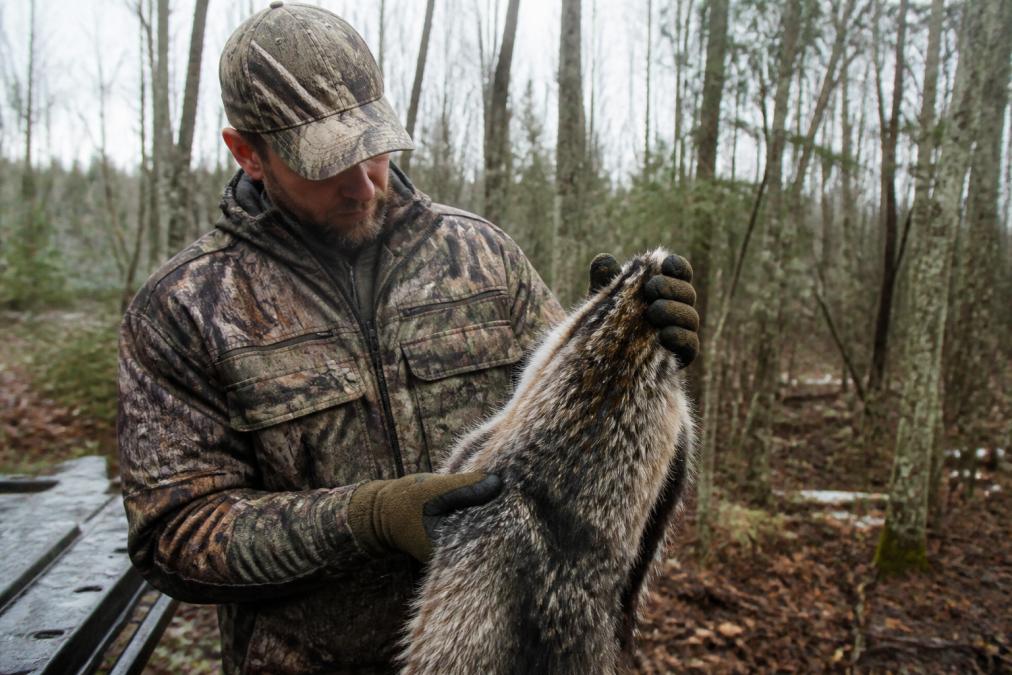
Fictional trapper carefully inspecting a wild non-animal AI pelt in a woodland setting to demonstrate ethical harvesting.
The key distinction: farmed animals never experience natural conditions, while wild-harvested animals live entirely in their natural habitat. Neither approach is inherently superior from an animal welfare perspective, but they present different ethical considerations. Farmed animals may experience better medical care but face confinement stress. Wild animals face natural predation and environmental challenges but live without human confinement.
Domestication levels matter significantly here. Farmed fur animals have been selectively bred for generations to tolerate captivity. This genetic domestication creates animals fundamentally different from their wild counterparts. Wild-harvested animals maintain full behavioral and genetic repertoires suited to their natural environments.
Standards for humane trapping continue evolving. Many states now require specific trap types designed to minimize injury and stress. The Fur Commission USA and similar organizations promote best practices in both trapping and farming, though adoption varies by region and individual operator.
Fur Quality Comparison Guide: What Buyers Need to Know
Quality differences between wild harvested and farmed fur manifest in several measurable ways. Wild harvested pelts show greater variation in size, color, and texture because they reflect natural population diversity. This variation matters for taxidermists and crafters, it means each pelt is genuinely unique, requiring individual assessment.
Farmed fur offers consistency. Animals raised on the same diet in identical conditions produce remarkably uniform pelts. For commercial applications requiring standardization, this consistency provides obvious advantages. For artisanal work, the variation in wild harvested fur often appeals to creators seeking distinctive materials.
Guard hair density and underfur thickness are often notable in wild harvested pelts. The natural seasonal development cycle can produce denser coats. This density can translate to durability and water resistance, which is beneficial for fly-tying applications where the fur endures repeated casting and water exposure.
Color retention can differ. Wild harvested fur often maintains its natural coloration. Farmed fur sometimes shows color fading or yellowing with age, particularly in white or light-colored pelts.
Processing and conditioning requirements vary.
Characteristic | Wild Harvested | Farmed |
|---|---|---|
Guard Hair Density | Superior, naturally developed | Consistent, accelerated growth |
Color Variation | Significant, reflects population diversity | Uniform, standardized |
Water Resistance | Excellent, from natural diet | Good, adequate for most uses |
Durability | Reliable in high-use applications | Reliable, predictable performance |
Supply Consistency | Variable by season and region | Highly predictable year-round |
Traceability Documentation | Harvest records, regulatory compliance | Farm management records |
Price Range | Varies with species and rarity | More standardized pricing |
Making Your Choice: Wild Harvested or Farmed Fur
The decision between wild harvested versus farmed fur depends on your specific needs and values. If traceability and environmental impact matter most, wild harvested fur from documented, regulated trappers offers superior transparency and lower ecological footprint. If consistency and reliable supply are priorities, farmed fur provides predictable availability and standardized quality.
Frequently Asked Questions
What are the primary differences between wild harvested and farmed fur?
Wild harvested fur comes from animals trapped in their natural habitat, while farmed fur is produced in controlled environments. Wild-harvested pelts typically exhibit thicker guard hairs and denser underfur developed through natural adaptation. Farmed fur is more uniform in quality but may lack the durability of wild-caught pelts. The sourcing method also affects traceability, environmental impact, and animal welfare standards significantly.
How does sustainable fur sourcing practices differ between wild and farmed sources?
Sustainable fur sourcing practices for wild-harvested fur focus on population management, seasonal harvesting, and habitat preservation. Farmed operations require controlled feed systems, waste management, and facility maintenance. Wild sourcing relies on regulatory standards and hunter ethics, while farmed sourcing depends on facility certifications and breeding protocols. Both can be sustainable when properly managed, but require different oversight mechanisms and supply chain verification methods.
Are ethical trapping methods better for animal welfare than fur farming?
Ethical trapping methods prioritize quick, humane kills and minimize animal suffering through proper equipment and training. Fur farming raises welfare concerns about confined living conditions, but operations can meet established standards through regulated housing and care protocols. Neither approach is inherently superior—both require certification, transparency, and adherence to animal welfare standards. The key is verifying that your supplier follows documented ethical practices regardless of sourcing method.
Which source produces higher quality fur for crafting and taxidermy projects?
Wild-harvested fur typically offers durability and natural texture variation, making it suitable for taxidermy and fine craftsmanship. Farmed fur provides consistency and availability but may lack some of the resilience of wild pelts. Quality depends on species, harvesting season, and processing methods rather than sourcing alone. For specialized projects, wild-harvested fur from reputable trappers can deliver excellent results that professional taxidermists and artisans require.