 blog
blog
Buy Raw Animal Pelts Online: A Guide to Ethical Sourcing
Table of Contents
- Why Buy Raw Animal Pelts Online
- Understanding Types of Fur Pelts and Hides
- Raw Pelt Grading Standards You Need to Know
- How to Tan Raw Animal Hides at Home
- Best Raw Fur Suppliers for Fly Tying
- Ethical Sourcing and Legal Compliance
- Shipping, Storage, and Pelt Care
- Frequently Asked Questions
Last Updated: September 21, 2026
Why Buy Raw Animal Pelts Online
Buying raw animal pelts online opens access to a wider selection than local suppliers offer, with better pricing transparency and direct connections to hunters and ethical suppliers across North America.
Many online marketplaces mix quality levels without clear grading standards. Ethically Fur connects buyers with wild-harvested and responsibly sourced materials from verified trappers and hunters.
Understanding Types of Fur Pelts and Hides
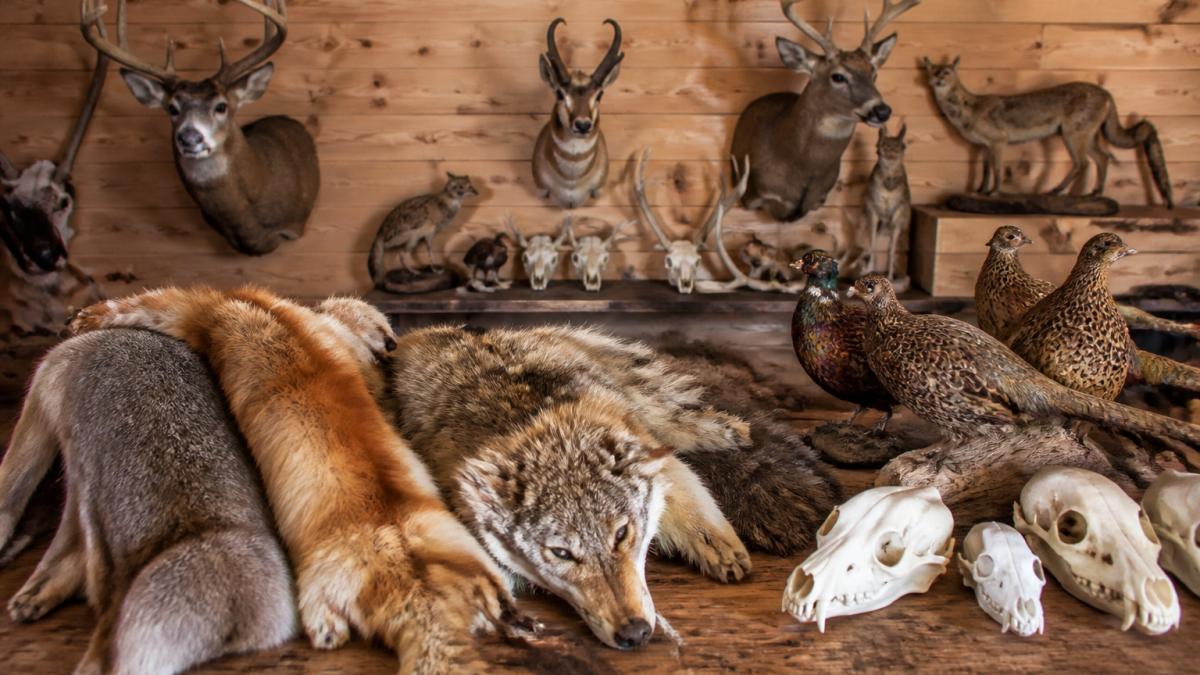
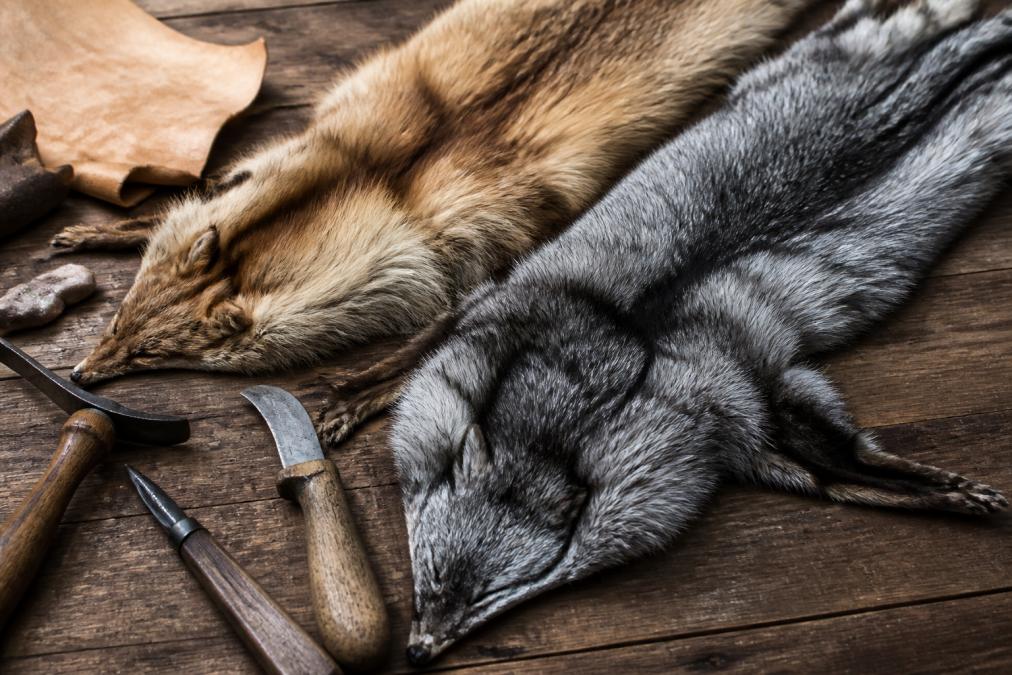
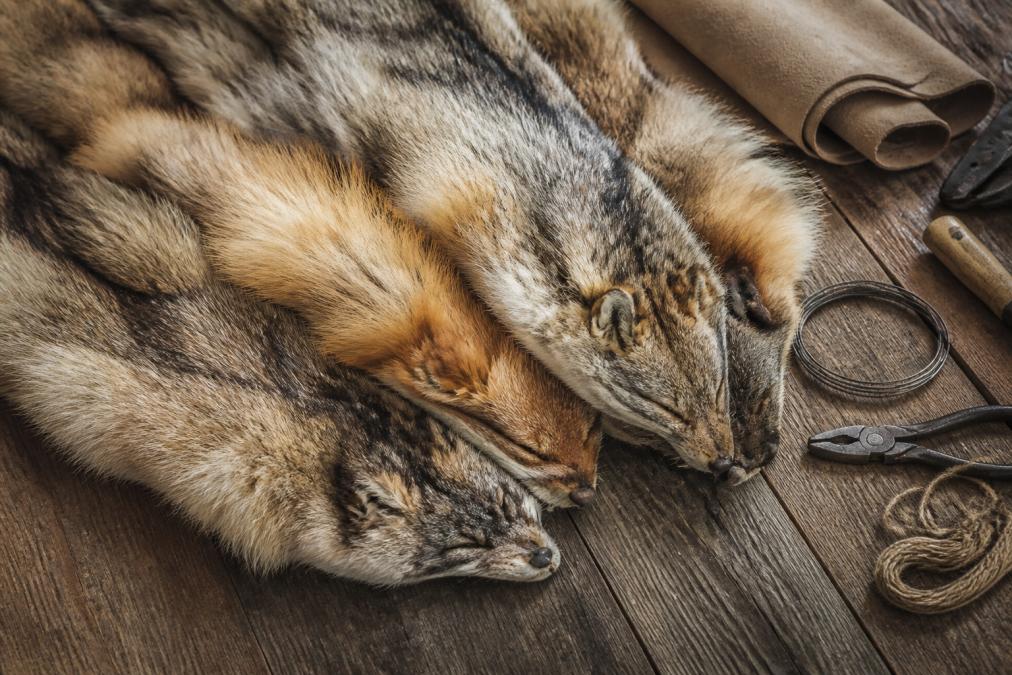
Processed pelts can be divided into hair-on hides (full fur, ideal for display and decoration) and leather hides (fur removed, suited for leathercraft and garments).
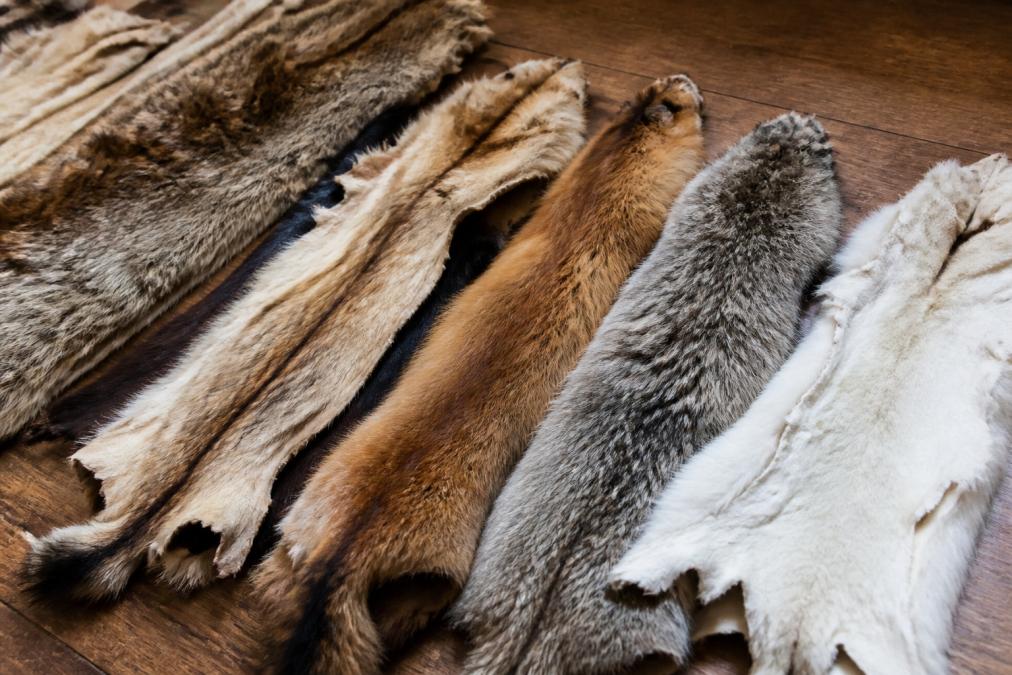
Rabbit fur suits fly-tying and is affordable; beaver offers dense fur for display or leather; mink, squirrel, and deer hides serve specialized applications; coyote and fox work for larger display projects.
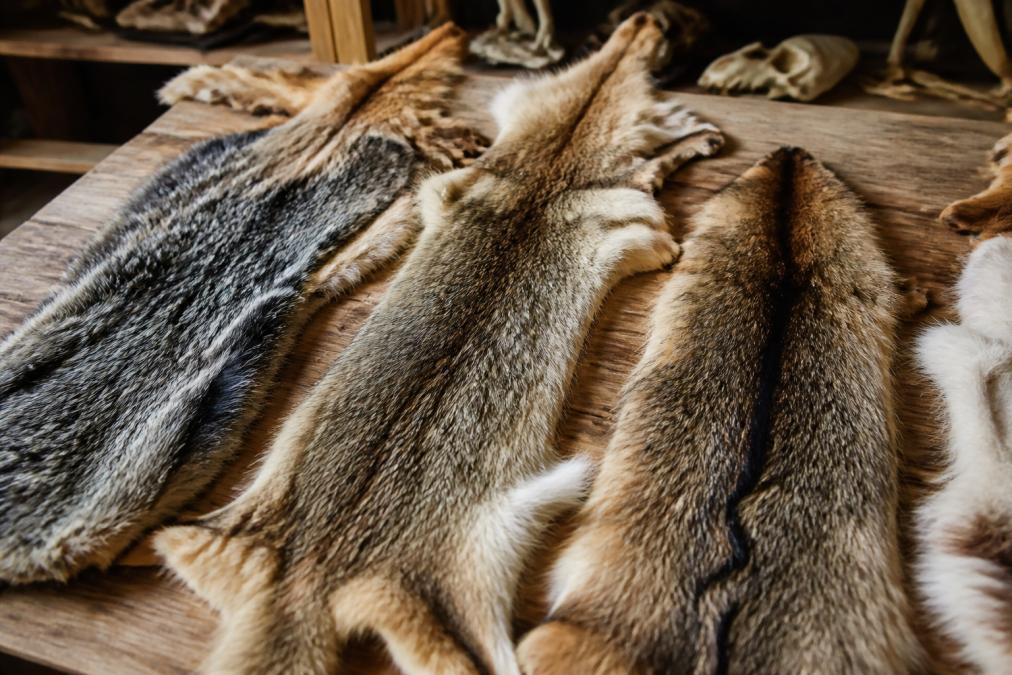
Stretched and dried pelts are cleaned, stretched, and air-dried for storage and transport. Raw, uncured pelts require immediate processing and are impractical for online purchase unless you can tan them immediately or are purchasing them frozen for a special project. These would often require special packaging considerations and fast shipping.
Pelts are described by harvest method: wild-harvested (from regulated trappers and hunters) or ethically farmed (from welfare-focused operations), helping you align purchases with your values.
Raw Pelt Grading Standards You Need to Know
Most grading systems evaluate pelt condition, fur density, and hide quality. Grade A offers premium quality with full coverage and minimal damage; Grade B has minor imperfections but works for most projects; Grade C shows visible wear and suits less appearance-critical work.
Grading evaluates fur density (affects value and use), suppleness (matters for leathercraft), and color consistency (affects display value).
How to Visually Inspect a Raw Pelt
Request detailed photos from multiple angles, full pelt, fur face close-up, and flesh side, to assess quality before purchase.
Fur Coverage and Density: Grade A shows uniform coverage with no visible leather; Grade B may have small sparse areas (under 5%); Grade C shows obvious thin spots or balding. Grade A fur appears dense and full; Grade B adequate with slight leather visibility; Grade C thin with clearly visible leather.
Color and Markings: Grade A shows uniform color with natural species variation; Grade B may have slight fading; Grade C shows significant discoloration. Grade A markings are clear; Grade B slightly muted; Grade C faded or unclear.
Damage and Wear: Grade A is damage-free; Grade B may have small holes (pencil-eraser size) or minor tears; Grade C shows obvious holes or cuts. Grade A shows no insect damage; Grade B may have minor damage in one area; Grade C shows obvious damage across multiple areas.
Flesh Side Condition: Grade A shows clean, pale leather with no discoloration or mold; Grade B may show slight discoloration; Grade C shows significant discoloration or mold spots.
How to Tactilely Assess a Pelt Upon Receipt
Conduct hands-on inspection within the return window. Fur Feel: Grade A feels soft and lush with minimal shedding; Grade B feels adequate but may be coarser; Grade C feels thin and sheds noticeably. Hide Suppleness: Grade A bends easily; Grade B bends with slight resistance; Grade C is stiff or cracks when bent.
Moisture and Odor: Properly prepared pelts feel dry with neutral smell; musty or moldy odors indicate improper handling. Weight and Size: Compare actual weight and dimensions to seller's claims; discrepancies over 10% suggest mislabeling or damage.
Grading Variation Across Suppliers
Grading standards vary across suppliers, so request detailed photos and ask about grading methodology. Reliable suppliers provide detailed answers about fur density, damage thresholds, and color standards.
Size and Weight Considerations
Size affects usability and cost. Rabbit pelts typically weigh 2-4 ounces (10-18 inches long); a beaver hide can range from 3-8 pounds (18-50 inches long). For fly-tying, a smaller Grade A pelt may be more economical than a larger Grade B. Request exact dimensions or weight to ensure the pelt meets your project requirements.
How to Tan Raw Animal Hides at Home
Home tanning converts raw hides into leather for leathercraft.
Fleshing removes excess tissue using a fleshing tool or dull knife, critical for preventing decay. Soak the hide 24-48 hours to rehydrate.
After tanning, rinse thoroughly and stretch to dry over 1-2 weeks, working the hide by hand to maintain suppleness. Home tanning requires workspace and proper ventilation. Many crafters prefer pre-tanned hides; Ethically Fur allows sellers to offer both raw and pre-tanned options within the legal framework and licensing requirements. Please note: some states will require the purchaser to have a fur buyers license to buy a raw pelt, while others may not or it may be species dependent.
Best Raw Fur Suppliers for Fly Tying
Fly tiers need rabbit fur, deer hair, squirrel tails, and beaver dubbing. Best suppliers understand fly-tier requirements and grade by usability. Ethically Fur connects you with specialized suppliers who prepare materials accordingly. Ask about material preparation, return policies, and customization options for bulk orders.
Ethical Sourcing and Legal Compliance
Ethical sourcing has become central to the fur marketplace. Many crafters and consumers specifically seek wild-harvested materials from regulated hunting and trapping. This approach supports wildlife management programs and local economies while avoiding industrial farming practices. When you buy raw animal pelts online, you're choosing between wild-harvested, ethically farmed, and unknown-origin materials.
Wild-harvested pelts come from regulated hunting and trapping seasons. Hunters and trappers must follow state and federal regulations limiting harvest by species, season, and method. This regulatory framework ensures sustainable wildlife populations. Each pelt represents a legal harvest documented by the hunter or trapper. Ethically Fur is a dedicated marketplace connecting buyers with wild-harvested, ethically farmed, and responsibly sourced fur products. By prioritizing ethical sourcing from hunters and trappers across North America, we ensure that every item meets high standards of responsibility and quality.
Understanding Federal and State Restrictions
Federal law prohibits trade in materials from certain protected species. The Migratory Bird Treaty Act protects all native bird species, including eagle feathers, hawk feathers, and owl pelts, these cannot be legally purchased or sold, even if wild-harvested. The Endangered Species Act extends protection to species like bobcat, lynx, and certain seal populations depending on population status. Before purchasing any pelt, verify the species is not federally protected or if it is, that it has the correct documentation.
State regulations create a second layer of compliance. Some states prohibit trapping entirely (California and Massachusetts, for example, have banned most fur trapping). Most of the others allow trapping only during specific seasons and require trappers to hold licenses. Seasons vary by species and region; a beaver pelt legal to purchase in one state may be restricted in another. Many states require documentation proving the pelt was legally harvested within that state or another state with compatible regulations.
International trade adds complexity. The Convention on International Trade in Endangered Species (CITES) restricts import and export of certain animal materials.
Verifying Seller Documentation
Reputable suppliers provide harvest documentation that includes the animal species, harvest date, harvest location (state and region), and harvest method (trapped, hunted, or farmed). This documentation proves the pelt was legally obtained. Ethically Fur is a dedicated marketplace connecting buyers with wild-harvested, ethically farmed, and responsibly sourced fur products. By prioritizing ethical sourcing from hunters and trappers across North America, we ensure that every item meets high standards of responsibility and quality.
Compliance Checklist for Buyers
Before purchasing any raw pelt online:
- Identify the species, Know exactly what animal the pelt comes from. Common names can be misleading ("coyote" vs. "wolf," for example).
- Check federal protection status, Visit the U.S. Fish and Wildlife Service website or contact your state wildlife agency to confirm the species is not federally protected.
- Verify state legality, Check your state's wildlife agency regulations for the specific species. Confirm it's legal to possess and use in your state.
- Request harvest documentation, Ask the seller for proof of legal harvest, including location and date. Reputable sellers provide this without hesitation.
- Confirm origin state regulations, If the pelt was harvested in another state, verify that state's harvest was legal under its own regulations.
- Document your purchase, Keep seller information, species identification, and harvest documentation with your pelt. This protects you if questions arise later.
Ethically farmed pelts simplify compliance because farms operate under state licensing and inspection. The farm's license number and inspection records serve as documentation. When you buy raw animal pelts online from farmed sources, you're supporting operations that prioritize animal welfare.
Shipping, Storage, and Pelt Care
Shipping raw pelts requires proper handling to prevent damage and decay. Reputable suppliers package pelts in breathable materials that prevent moisture accumulation while protecting against physical damage. Pelts should arrive dry and clean. If a pelt arrives damp or with visible mold, contact the supplier immediately, these indicate improper storage or shipping.
Frequently Asked Questions
Is it legal to buy and sell raw animal pelts?
Yes, buying and selling raw animal pelts is legal in most cases, but regulations vary by species and state. Some protected species like endangered felines or marine mammals cannot be traded. The Convention on International Trade in Endangered Species (CITES) restricts certain furs. Always verify your state's wildlife regulations before purchasing. Ethically Fur is a dedicated marketplace connecting buyers with wild-harvested, ethically farmed, and responsibly sourced fur products. By prioritizing ethical sourcing from hunters and trappers across North America, we ensure that every item meets high standards of responsibility and quality.
What is the difference between raw, tanned, and pickled pelts?
Raw pelts are freshly harvested with flesh and fat still attached, requiring immediate processing. Tanned hides have been chemically treated to preserve them and make them soft and workable for leather goods and taxidermy. Pickled pelts are salt-dried and partially treated to halt decomposition during storage or shipping, sitting between raw and fully tanned. Raw pelts offer the lowest cost but demand quick action. Tanned hides are ready for immediate use. Pickled pelts provide a middle ground for preservation during transport.
How do I ensure the raw pelts I buy are ethically sourced?
Look for suppliers who document their sourcing from licensed hunters and trappers rather than industrial farms. Ethically Fur prioritizes wild-harvested and responsibly farmed products with transparent seller verification. Ask sellers for harvest documentation, trapper licensing, or farm certifications. Avoid suspiciously low prices, which often indicate poor sourcing practices. Ethically Fur is a dedicated marketplace connecting buyers with wild-harvested, ethically farmed, and responsibly sourced fur products. By prioritizing ethical sourcing from hunters and trappers across North America, we ensure that every item meets high standards of responsibility and quality.
What should I look for when inspecting raw animal hides?
Inspect for fur density, natural markings, and hide integrity. Grade A pelts have dense, lustrous fur with minimal damage and uniform color. Check that the hide is free from holes, bald spots, and parasites. For fly tying materials, look for specific guard hairs and underfur quality. Examine salt-dried pelts for proper curing without mold or discoloration. Request photos before purchase if buying online. Quality indicators include supple leather backing, no slippage of fur, and appropriate weight for the species.