 How-to
5 Steps to Grade Raw Animal Pelts for Quality
Last Updated: October 25, 2026
What You'll Need Before Grading Raw Animal Pelts
To grade raw animal pelts, use a clean, flat surface and good lighting to spot defects. Gather a ruler, notebook, and clean cloth or brush.
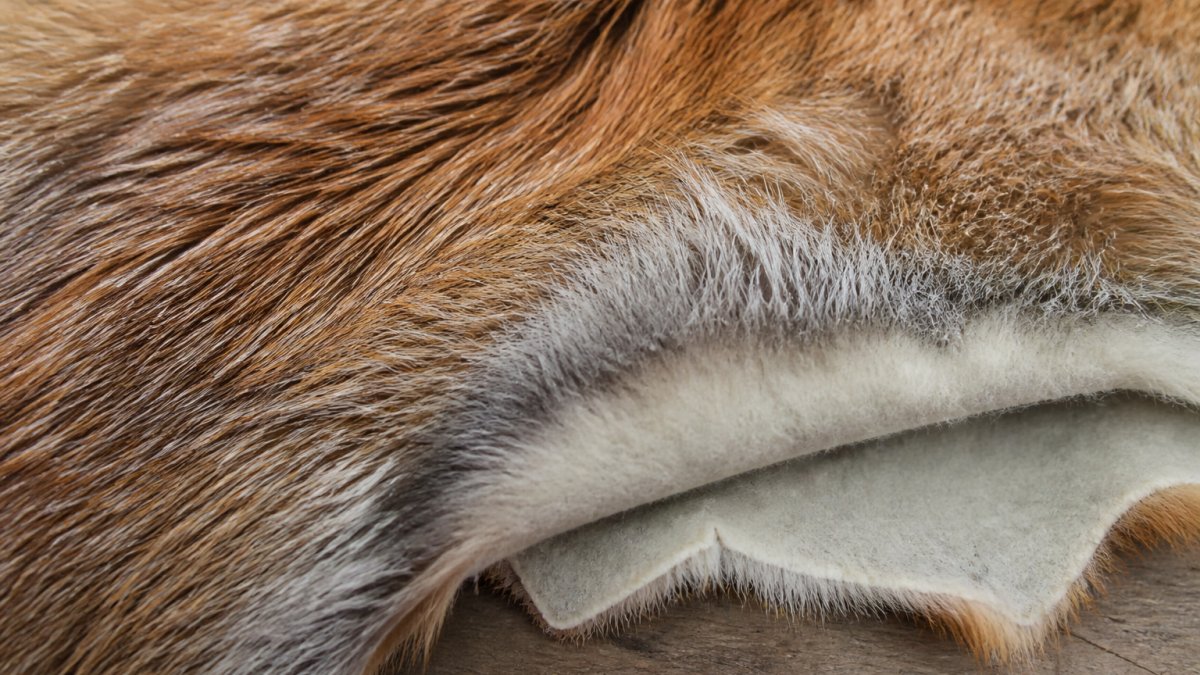
Starting with a reference pelt can provide a visual baseline. You can view a craft-grade tanned pelt to see what quality standards look like.
Fur Pelt Grading Criteria: Assessing the Basics
Grading comes down to four factors: fur density, underfur condition, hide integrity, and cleanliness.
Fur density means how thick and full the fur is, run your fingers through it and check the ears, belly, and back. Underfur is the soft layer beneath guard hairs; press and release, since good underfur springs back while matted or thin underfur lowers the grade. Hide integrity means the skin is sound, look for tears, punctures, or thin spots, and compare a prime-quality tanned pelt against your raw hide. Cleanliness matters too: dirt, burrs, and stains affect grade, though light dirt washes off easily.
How to Identify Pelt Damage and Defects
Spotting damage is crucial when you grade raw animal pelts. Common defects include tears, cuts, holes, hair slip, and stains.
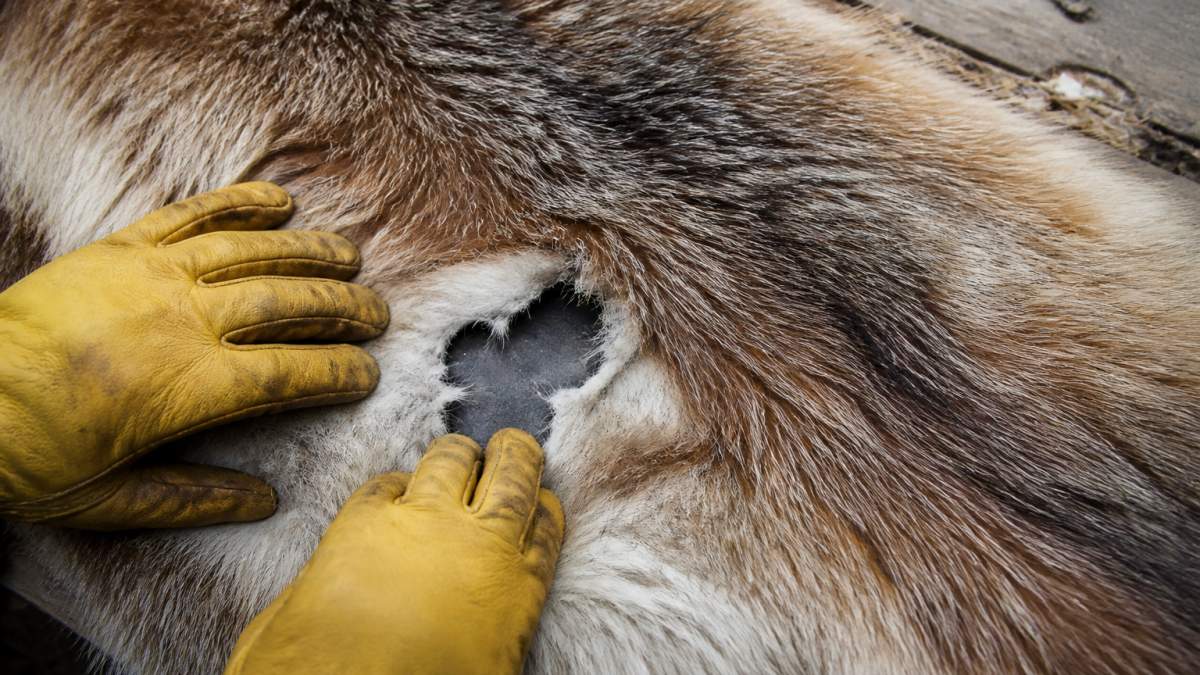
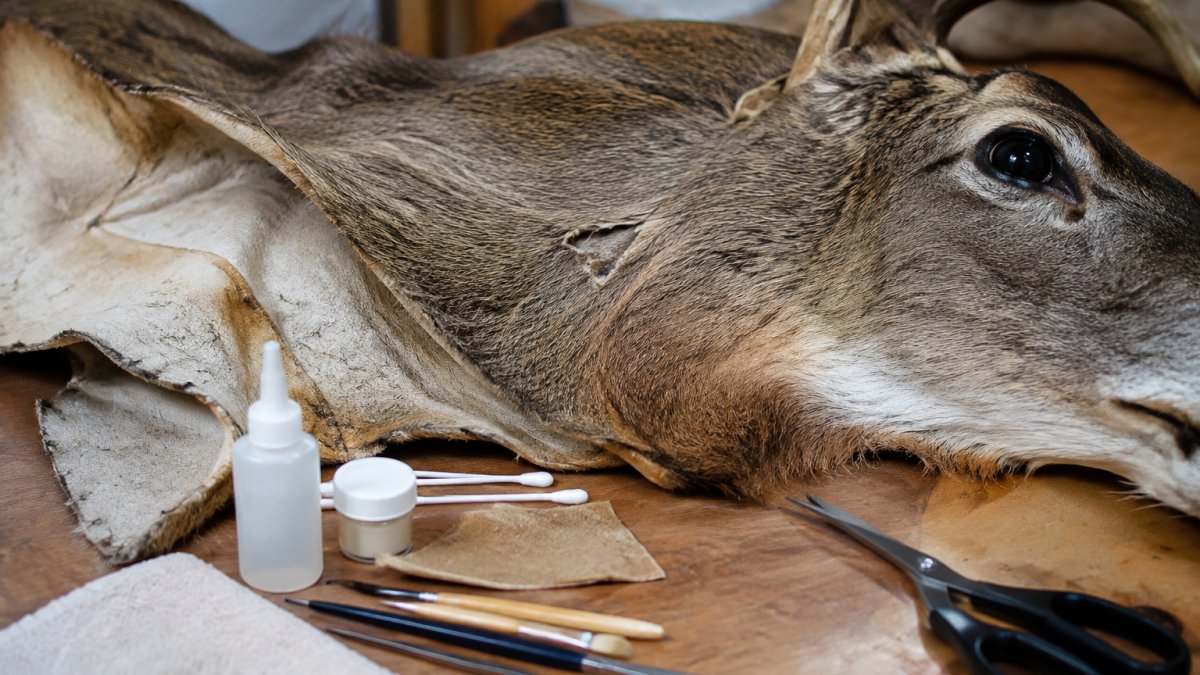
Photo shows an inspector reviewing a hide with a large hole showing some slipped fur as well.
Tears and cuts are obvious damage, check seams and edges first, since small edge cuts matter less than large tears in the prime belly area. Examine a real pelt with documented damage to learn what different defects look like. Hair slip occurs when fur pulls away from the hide, usually from sitting too long or improper wetting, and lowers grade significantly. Stains from blood, dirt, or decomposition show poor handling; light stains may wash out, but heavy stains are permanent. Insect damage and rot mean the pelt wasn't preserved correctly, look for holes or discolored patches, which cannot be fixed.
Create a simple grading system: note each defect's location, size, and overall condition to assign consistent grades.
Learning to grade raw animal pelts takes practice. Start with pelts you know are prime or clearly damaged, and keep notes on every one to build a reference library.
When you're ready to source quality pelts, Ethically Fur connects you with wild-harvested, responsibly sourced materials from North American hunters and trappers. Browse our listings for your next project.