 ultimate-guide
Why Wild Harvested Fur Costs More
Table of Contents
- The Labor-Intensive Nature of Wild Fur Harvesting
- Processing Costs and the Supply Chain
- Fur Grading Standards and Quality Assessment
- Wild vs. Farmed Fur: A Cost Comparison
- Trapping Regulations and Licensing Requirements
- Sustainability of Natural Fur and Market Volatility
- Factors Influencing Pelt Value in Today's Market
- Conclusion
- Frequently Asked Questions
Last Updated: September 20, 2026
The Labor-Intensive Nature of Wild Fur Harvesting
Wild harvested fur costs more because the process demands hands-on expertise at every stage. Unlike factory farming, trapping requires trappers to scout terrain, set equipment, monitor traps across large territories, and retrieve pelts in all weather conditions. This is inherently labor-intensive work that cannot be rushed or automated.
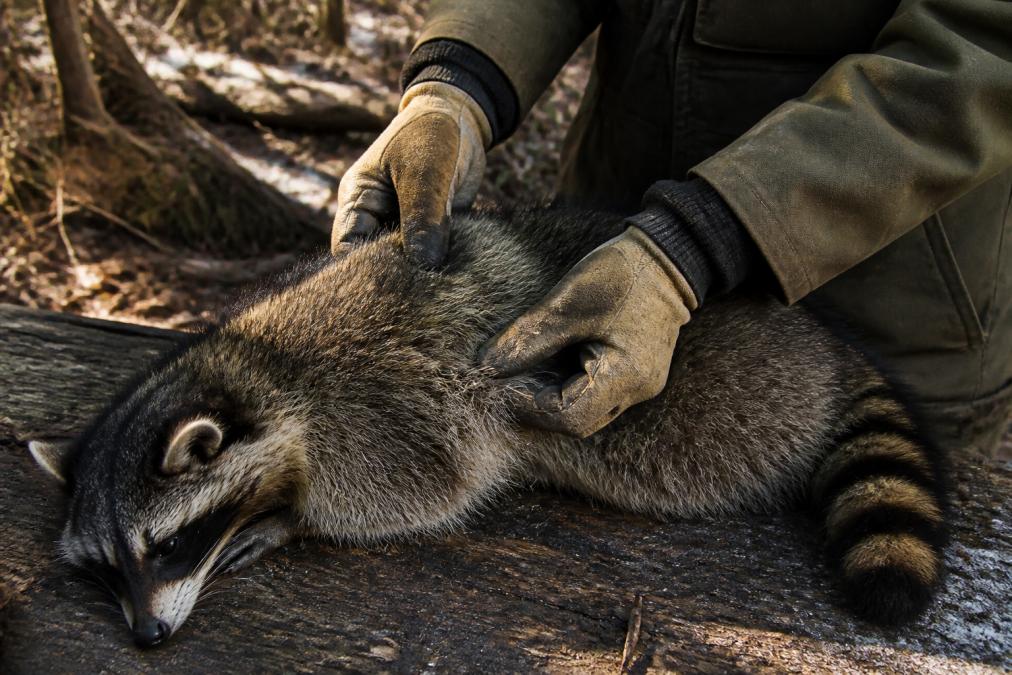
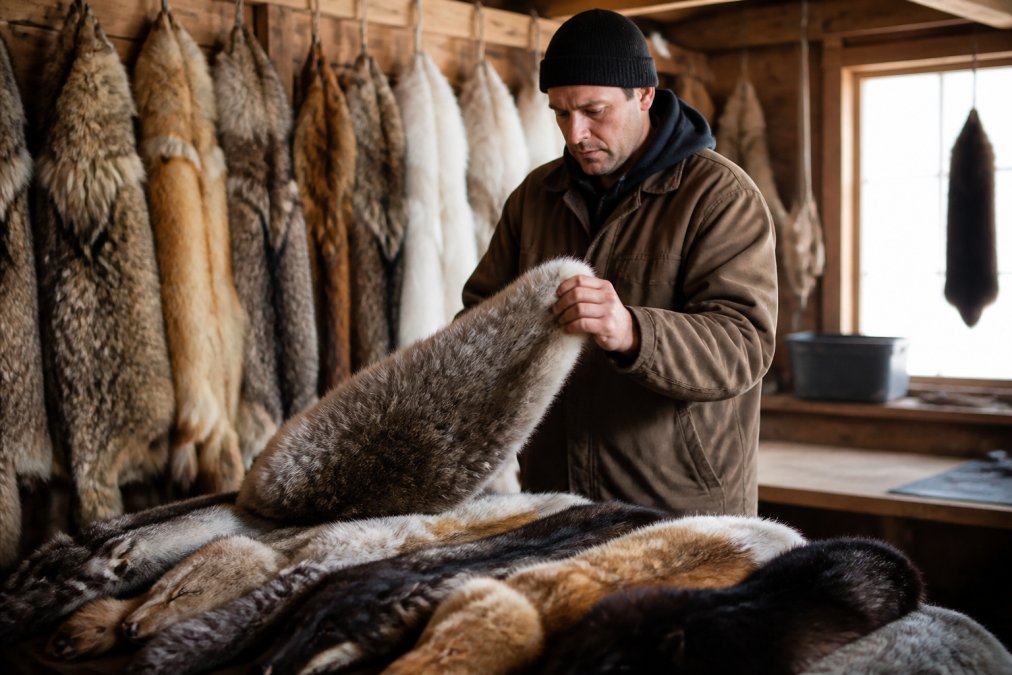
Trapper in heavy outdoor gear examining a freshly harvested pelt in natural woodland lighting, hands carefully assessing fur quality and condition
A trapper might cover 20 to 50 miles per week checking trap lines, depending on terrain and season. Each pelt requires immediate field preparation: proper skinning technique, careful handling to avoid damage, and any necessary precautions taken to prevent damage prior to transportation. The skill required separates quality work from ruined material. One mistake, a torn hide, improper stretching, slow or incorrect handling can render a pelt worthless or significantly reduces its value.
The physical demands are real. Trappers work in cold, remote conditions where access is limited. They carry equipment, manage multiple trap locations, and handle animals in their raw state. This labor represents a direct cost that doesn't exist in industrial operations. At Ethically Fur, we recognize that this hands-on work creates authentic wild harvested fur costs, the expense reflects genuine effort, not just commodity pricing.
Seasonal timing adds another layer of complexity. Trappers must work within specific trapping seasons when fur quality peaks. Missing the optimal window means waiting an entire year. This temporal constraint concentrates labor into compressed periods, which increases hourly costs and limits supply.
Processing Costs and the Supply Chain
Once a pelt reaches a processor, the costs multiply. Processing involves multiple specialized steps: fleshing (removing tissue from the hide), tanning (treating the skin to preserve it), and finishing (conditioning the fur to desired texture). Each step requires equipment, chemicals, climate-controlled facilities, and trained labor.
Fleshing alone is labor-intensive. A processor removes subcutaneous tissue by hand or with specialized machinery, then scrapes the hide to ensure even treatment. Mistakes at this stage damage the fur or weaken the leather base. The fleshing is often done by the trapper themselves though sometimes the trapper will sell the animals “In The Round” (whole animal) or green (skinned and then frozen, no fleshing). the hide is then stretched and dried before tanning. The tanning process using chemical baths that must be carefully monitored for temperature, pH, and timing. The hide must be turned and worked multiple times throughout the process.
The supply chain for wild harvested fur is fragmented. Pelts come from individual trappers across North America, each with different quality standards and handling practices. A processor must sort incoming pelts, grade them, and process batches accordingly. This sorting and grading work adds cost that doesn't exist when processing uniform farm-raised inventory.
Transportation costs are significant. Wild pelts must be shipped from remote trapping areas to processing facilities, sometimes requiring refrigeration or preservation during transit depending on how they were handled. A single damaged pelt during shipping represents lost value, introduced moisture can mean several lost pelts and bug contamination could mean the entire batch is lost. Insurance and logistics for specialty goods cost more than bulk commodity shipping.
Ethically Fur's marketplace connects buyers directly to trappers and processors, but the underlying costs remain. Quality assurance, verifying that pelts meet ethical sourcing standards, requires documentation and traceability that adds administrative cost.
Fur Grading Standards and Quality Assessment
Wild harvested fur costs more partly because buyers are paying for quality verification and grading. Fur grading standards exist to classify pelts by size, fur density, color uniformity, and defect level. A prime pelt commands premium prices; a lower-grade pelt sells for less.
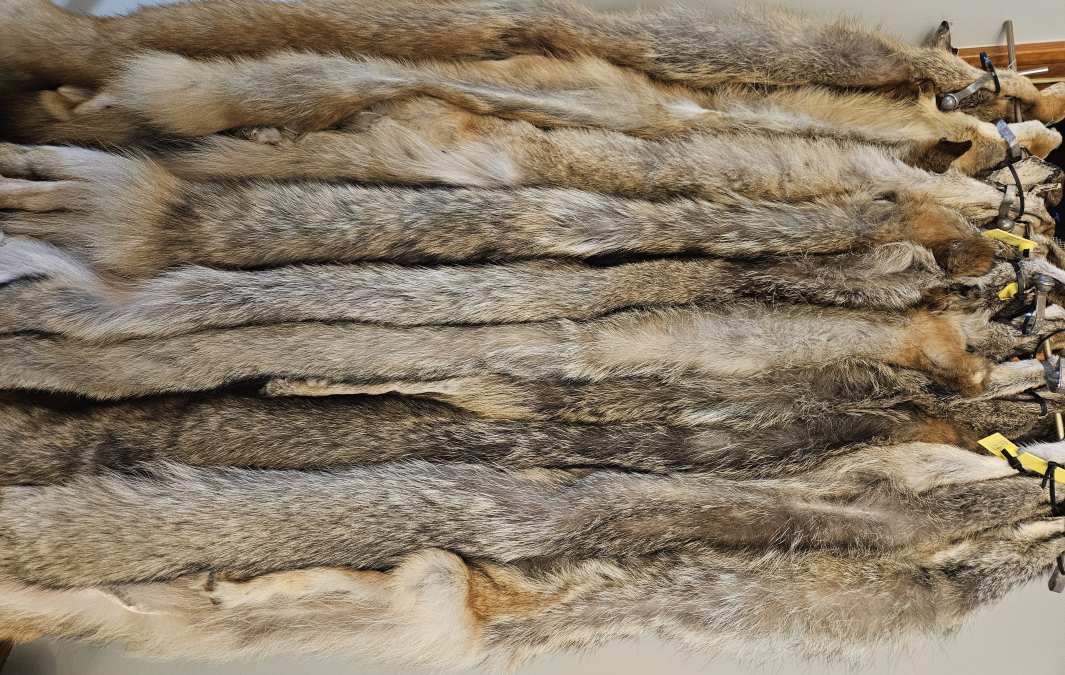
Grading requires expertise. An experienced grader examines fur density (the number of hairs per square inch), guard hair quality (the longer protective hairs), and underfur condition (the dense undercoat). Color uniformity matters, consistent coloring throughout the pelt increases value. Defects like bare spots, scars, or discoloration reduce grade and price.
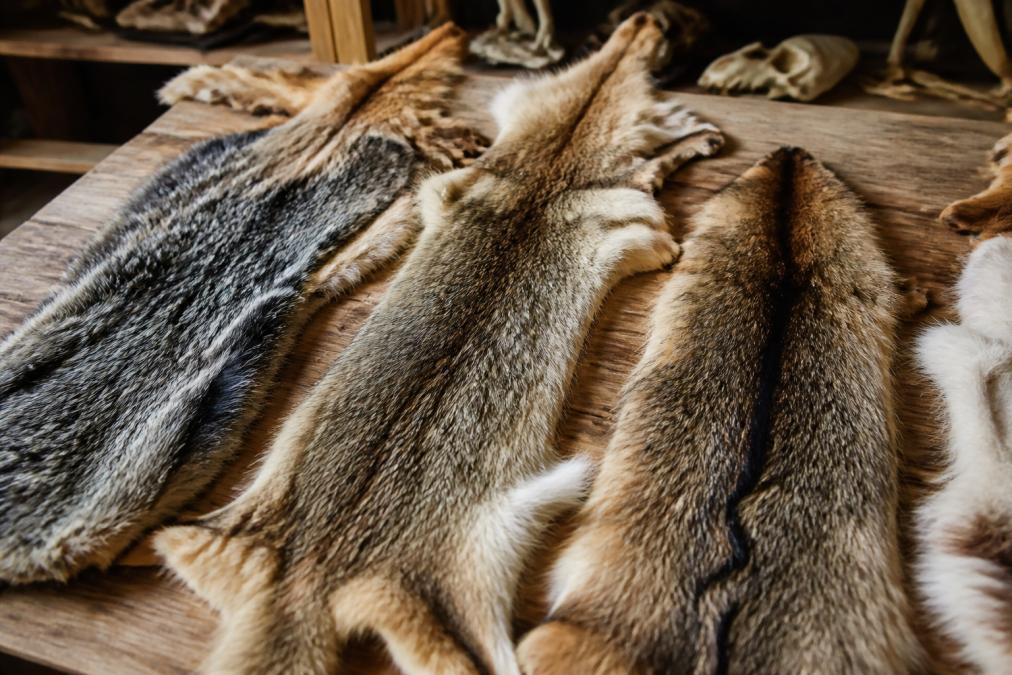
Wild pelts show natural variation. A beaver pelt might have thicker underfur in some regions than others. A fox pelt's color might fade slightly depending on age and season. These natural variations require skilled assessment to determine fair market value. Factory-farmed pelts, produced under controlled conditions, show more consistency and require less nuanced grading.
The grading process itself costs money. A professional grader spends time evaluating each pelt. For a trapper selling a few pelts per season, this grading cost is absorbed into the per-pelt price. For processors handling hundreds of pelts, grading labor is a line-item expense that gets passed along.
Buyers at Ethically Fur benefit from this grading work, they receive pelts with documented quality levels, reducing uncertainty. That transparency and quality assurance is built into wild harvested fur costs.
Wild vs. Farmed Fur: A Cost Comparison
The economic structure of wild harvesting differs fundamentally from factory farming. Factory farms operate at scale, raising animals in controlled environments where feed, housing, and labor costs are predictable and optimized. Pelts arrive at processing facilities on a consistent schedule with uniform quality.
Wild harvesting operates differently. Trappers work independently across dispersed territories. Supply is seasonal and geographically variable. A trapper might harvest 50 pelts in a good season or 20 in a poor one. This unpredictability means processors cannot achieve the same economies of scale.
Factory-farmed fur benefits from standardized breeding. Mink farms select for consistent fur density, color, and size. This consistency reduces grading time and processing complexity. Animals are harvested on a predetermined schedule, allowing processors to plan labor and chemical usage.
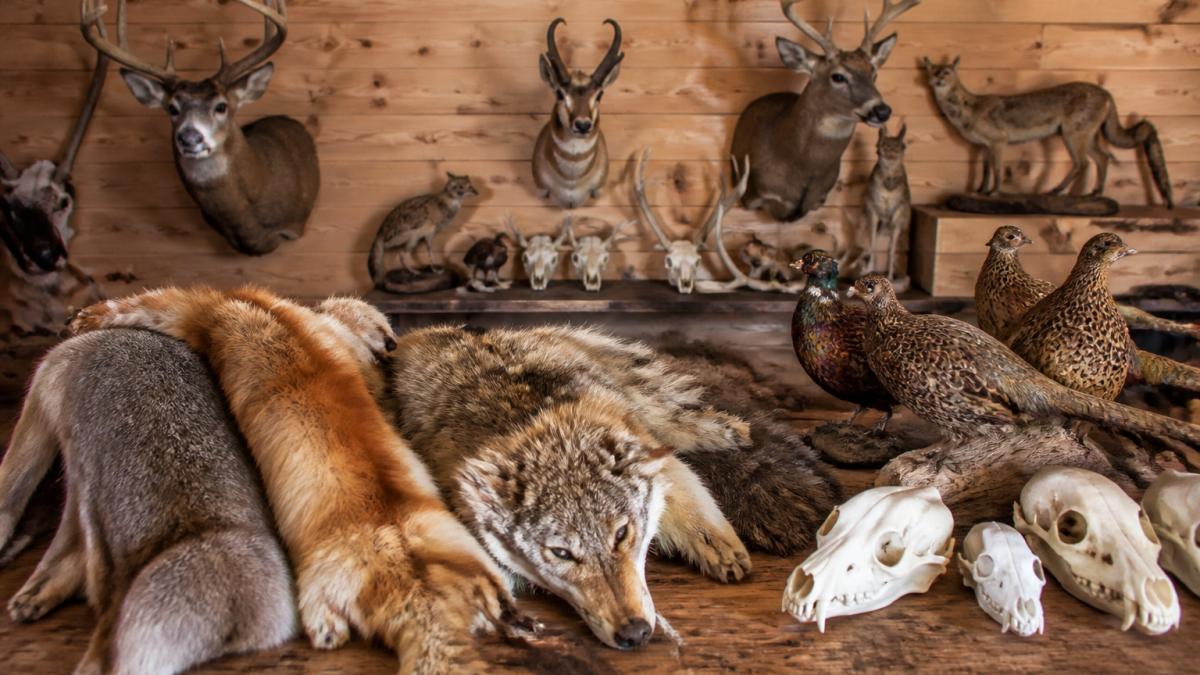
Wild harvested fur reflects the animal's natural development. A fox pelt shows the fur quality that animal produced in its specific environment. A beaver pelt reflects the water conditions and food availability where it lived. This authenticity has value to certain buyers, crafters and taxidermists often prefer wild pelts for their character and variation, but it increases processing complexity and therefore cost.
Labor represents a larger percentage of wild harvesting costs. Factory farming spreads fixed labor costs across thousands of animals. A farm with 5,000 mink might employ 20 people. Per-pelt labor cost is low. A trapper working alone might harvest 100 pelts per year. Per-pelt labor cost is high.
Transportation and logistics favor factory farming. A processor receives 1,000 farm-raised mink pelts in a single shipment. A processor receives 50 wild beaver pelts from five different trappers in separate shipments. The per-pelt logistics cost is higher for wild harvested fur.
Trapping Regulations and Licensing Requirements
Regulatory compliance adds cost to wild harvested fur. Trappers must obtain licenses, which vary by state and species. Some states require trapper education courses before licensing. License fees range from modest to substantial depending on jurisdiction.
Trapping seasons are regulated to protect wildlife populations. A trapper cannot harvest year-round. They must work within designated seasons, typically during winter months when fur quality peaks and animal populations can sustain harvest. This temporal constraint concentrates labor into compressed periods.
Trap types and methods are regulated. Some states prohibit certain trap designs or require specific trap checks to ensure animal welfare. Compliance means using approved equipment and following protocols that may add time or cost compared to unrestricted methods.
Documentation requirements vary. Some states require trappers to report harvest numbers. Some require proof of legal harvest when selling pelts. This paperwork creates compliance costs that factory farming doesn't face, a mink farm operates under different regulatory frameworks, typically focused on animal husbandry standards rather than harvest licensing.
Ethical sourcing verification adds another layer. Buyers seeking wild harvested fur with documented ethical standards need proof that pelts come from legal, regulated trappers. This traceability requirement means additional documentation, potentially third-party verification, and record-keeping that increases cost.
At Ethically Fur, we prioritize transparency around these regulatory requirements.
Sustainability of Natural Fur and Market Volatility
Wild harvested fur costs fluctuate based on market demand, which shifts annually. Fashion trends influence fur prices. Warm winters increase demand for fur clothing, raising prices. Mild winters reduce demand. A trapper cannot control these cycles.
Factors Influencing Pelt Value in Today's Market
Several concrete factors determine what a wild harvested pelt sells for. Species matters fundamentally. Beaver, mink, fox, and coyote command different prices based on fur characteristics and market demand. Beaver fur is dense and water-resistant, valued for traditional felt and specialty applications. Mink is fine and lustrous, traditionally used in high-end fashion. Fox fur is long-haired and dramatic, valued for trim and decorative applications.
Conclusion
Wild harvested fur costs more because every step, from the trapper's labor across remote terrain to the processor's specialized expertise to the grader's assessment to the regulatory compliance work, involves genuine expense that factory farming eliminates through scale and standardization. The fragmented supply chain, seasonal timing constraints, and quality variation inherent to wild harvesting create structural cost pressures that commodity markets don't face.
Frequently Asked Questions
What factors influence the market price of wild harvested fur?
Wild harvested fur prices depend on pelt quality, species rarity, seasonal supply, trapping regulations, and global demand. Labor costs for harvesting and processing, tanning expertise, and supply chain logistics also play significant roles. Market volatility stems from fluctuating demand in luxury goods and changing regulatory environments that affect harvesting seasons and licensing requirements.
How does wild-harvested fur differ from factory-farmed fur in terms of cost?
Wild-harvested fur typically costs more because trappers invest time in seasonal harvesting across dispersed territories, while factory farming operates at scale with controlled breeding. Wild pelts require individual assessment and grading, whereas farmed furs are more uniform. Processing wild fur demands specialized labor to handle varied pelt conditions, and ethical sourcing verification adds transparency costs.
Is wild fur considered more sustainable than synthetic alternatives?
Wild fur harvesting can support sustainable wildlife management when conducted under proper trapping regulations and licensing. Trappers help control animal populations, reducing human-wildlife conflict. Unlike synthetic alternatives derived from petroleum, natural fur is biodegradable. However, sustainability depends on responsible harvesting practices, adherence to seasonal regulations, and avoiding overharvesting of vulnerable species. Ethical sourcing ensures ecological balance.
Why do wild fur prices fluctuate so much in the current market?
Fur prices are volatile due to seasonal supply constraints, changing consumer demand for luxury goods, fluctuating production costs, and regulatory shifts affecting trapping seasons. Global economic conditions impact wholesale markets. Weather patterns influence trapping success and pelt quality. Supply and demand dynamics create price swings, especially when new regulations restrict harvesting or when fashion trends shift demand toward or away from specific fur types.