 listicle
Where to Buy Quality Taxidermy Specimens: 2026 Guide
Where to Buy Quality Taxidermy Specimens: Quick Comparison
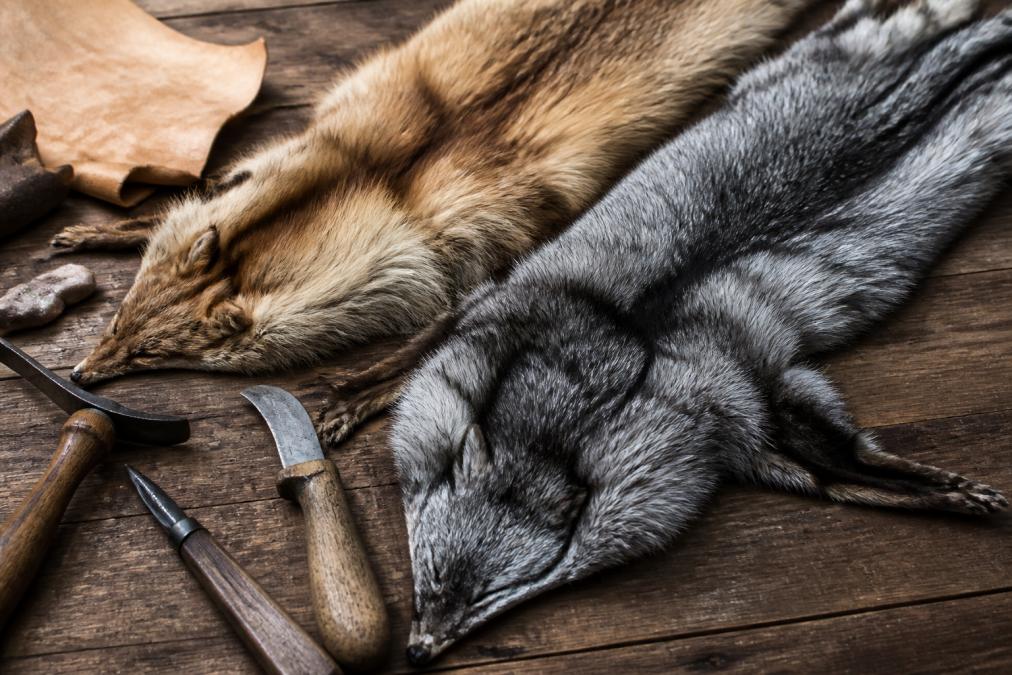
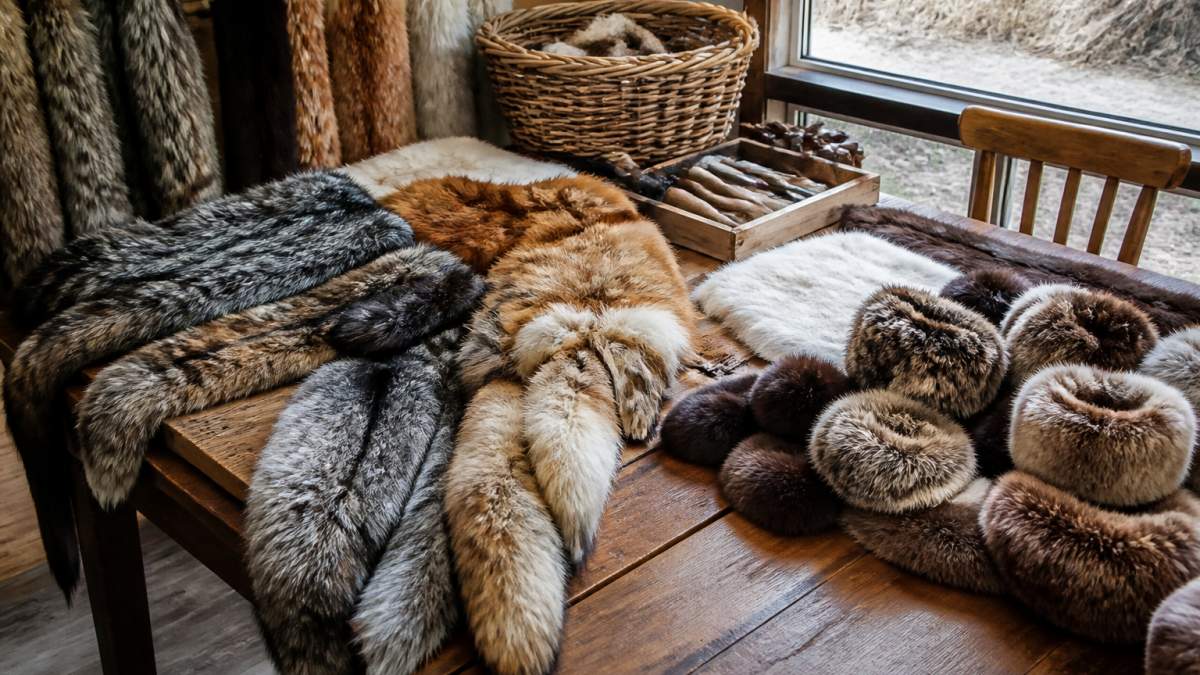
Match the source to your purpose. At Ethically Fur, buyers know exactly where a pelt, mount, or specimen came from.
| Source | Best For | Starting Price | Sourcing Transparency |
|---|---|---|---|
| Ethically Fur | Ethically sourced pelts, raw materials, and trapping supplies | Varies by listing | Direct connection to sellers |
| Paxton Gate | Curated curiosities and small mounts | $1,230 | Strong ethical standards |
| Taxidermy Mart | Budget online buyers | $315 | Limited |
Ethical Taxidermy for Sale: How to Verify Sourcing Before You Buy
Sellers should disclose how the animal died, who handled it, and whether the species is federally protected. Ask for documented origin, method of harvest, and acquisition records; vague answers mean walk away. U.S. Fish and Wildlife Service guidance on CITES permits explains cross-border documentation.
Where to Buy Taxidermy Supplies and Specimens Online
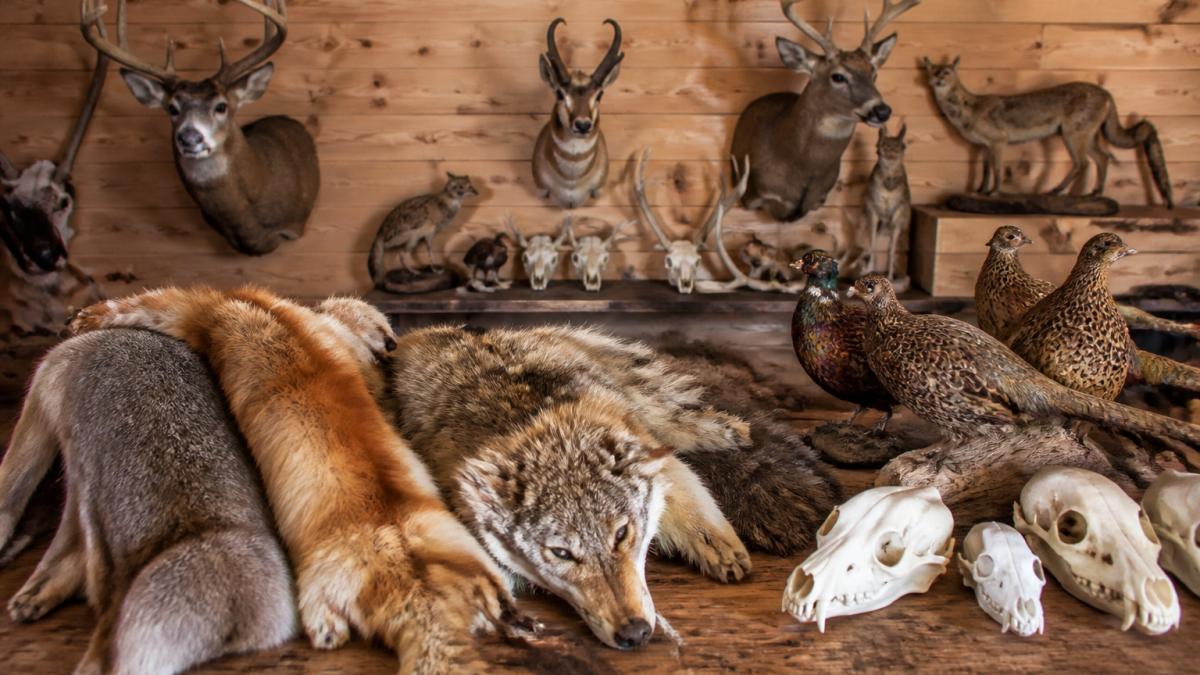
Marketplaces let you compare grades side by side. Ethically Fur is our top pick for provenance, connecting buyers directly to North American hunters, trappers, and ethical fur sellers. Paxton Gate offers curated mounts at premium pricing; Taxidermy Mart lists many species but inconsistent craftsmanship; Advanced Taxidermy produces museum-quality commissions; The Evolution Store focuses on skulls. Association of Zoos and Aquariums conservation programs offers context on sourcing transparency.
How to Assess Taxidermy Quality Before You Buy
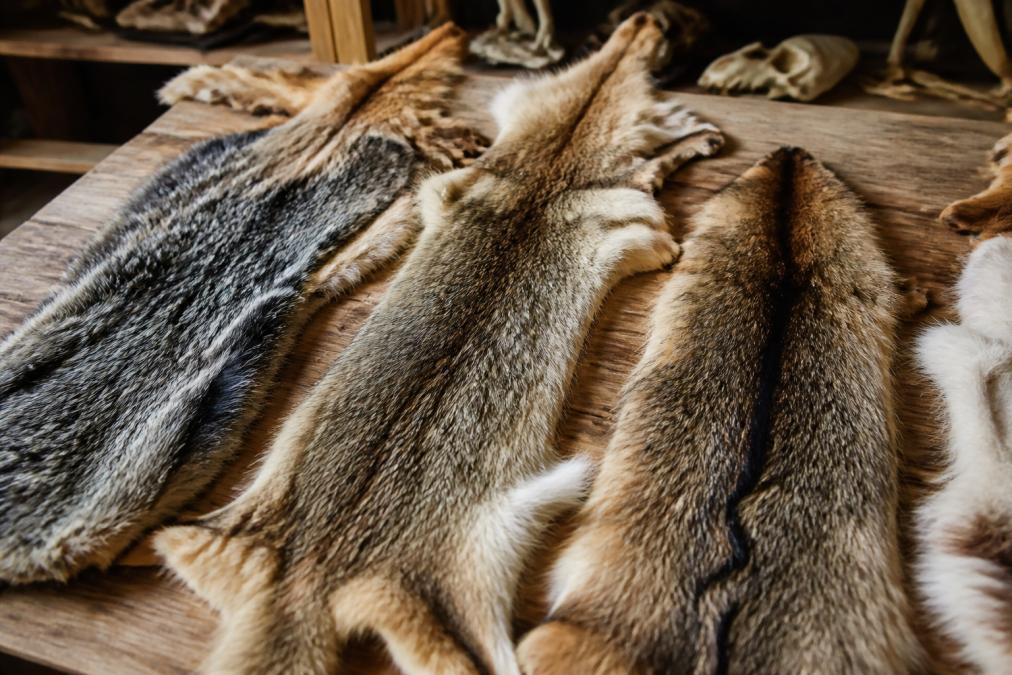
Grade on four points: stitching (hidden, tight seams), eyes (cheap glass looks flat and dead), finish (fur sits naturally, not stiff or greasy), and base (a solid mount signals a careful maker).
Vintage vs. Modern Taxidermy Specimens
Vintage mounts often used arsenic-based preservatives and accumulate pest damage; modern pieces use safer tanning and hold up better in climate-controlled rooms.
Pest Management and Long-Term Care for Mounts
Carpet beetles and clothes moths target fur and feathers, so store mounts in sealed cases with a desiccant pack and check seams and bases monthly for fine dust (frass).
Legal Compliance Checklist for Buying Animal Remains
- Confirm the species is legal to own in your state
- Request documentation of legal acquisition
- Check whether the species requires a CITES permit
Federal rules apply regardless of where you buy. U.S. Fish and Wildlife Service on legal wildlife trade outlines the requirements governing animal remains.
Condition Grading System for Specimens
Use an A through D scale to compare listings fairly:
| Grade | Condition | Typical Use |
|---|---|---|
| A | Flawless, museum quality | Display collections |
| B | Minor wear, solid structure | Most buyers |
| C | Visible repairs or fading | Budget projects |
Ask sellers to grade against the same scale so you compare like with like.
Scientific vs. Artistic Taxidermy
Scientific taxidermy prioritizes anatomical accuracy for study skins and educational display; artistic taxidermy prioritizes expression and composition. Know which you are before you shop.
Collecting taxidermy rewards patience, and the difference between a piece you treasure and one you regret comes down to sourcing and verification. Ethically Fur connects you directly to North American hunters, trappers, and ethical sellers, with wild-harvested and ethically farmed products, a customizable browsing experience, and a full range of raw pelts, finished goods, and trapping supplies. Browse listings on Ethically Fur and build a collection you can trace from source to shelf.