 how-to
Sell Handmade Flies Online: A Marketplace Guide
Table of Contents
- Choose the Right Marketplace for Your Handmade Flies
- Set Up Your Seller Account and Optimize Your Shop
- How to Price Handmade Fishing Flies Profitably
- Photographing Fishing Flies for Online Listings
- Write Effective Product Listings and Descriptions
- Shipping Handmade Fishing Flies Safely and Affordably
- Manage Inventory, Track Sales, and Grow Your Business
- Frequently Asked Questions
Last Updated: October 7, 2026
Choose the Right Marketplace for Your Handmade Flies
To sell handmade flies online, you need to pick a platform that matches your business model and audience. The right choice connects you with fly fishers who seek quality handmade fishing flies.
Which marketplace supports small-scale sellers depends on your volume, materials, and whether you sell individual flies or packs. Some platforms focus on high-volume sellers; others welcome hobbyists.
The Four Platform Models You Will Actually Encounter
Most handmade-fly sellers choose among four structures, each changing your economics:
- General handmade marketplaces. Craft-goods sites let you open a shop, list patterns, and collect reviews. They bring built-in traffic, but the category is crowded and fly-specific search intent is weak.
- Dedicated fly and fly-tying marketplaces. These platforms cater to anglers and tiers directly. Traffic is smaller but far more qualified, and buyers arrive already understanding hook sizes, pattern names, and material terminology. Ethically Fur serves fly tiers and material suppliers with a dedicated marketplace built for ethical sourcing and responsible commerce.
- Fishing forums and community groups. Many tiers sell through forum classifieds or social groups. There are usually no listing fees, but also no checkout system, buyer protection, or dispute process, you rely on reputation and direct payment.
- Your own storefront. A standalone shop gives full control over branding, pricing, and customer data, but you own all the marketing. Most sellers use it to complement a marketplace, not replace it.
Compare Fees the Way a Seller Actually Pays Them
Fee structures vary, but read the seller handbook before you list, the details, not the headline rate, determine your margin.
- Listing fees. Some platforms charge per listing or renewal, which punishes large catalogs of slow-moving patterns. List 40 patterns and sell 10, and per-listing fees can erase your profit.
- Final value or commission fees. A percentage of each sale is most common, usually taken on item price plus shipping, so a 'free shipping' listing still gets charged on shipping you collected.
- Payment processing fees. Processors charge a per-transaction fee plus a percentage, separate from marketplace commission and stacked on top.
- Subscription tiers. Some platforms offer a monthly plan that lowers per-sale fees. Run the math against realistic monthly sales, a subscription only pays off above a certain volume.
Build a one-line 'true cost' formula per platform: item price minus commission, payment processing, packaging, and shipping shortfall. Whichever leaves the largest number fits your business.
Seller Protections, Payout Timing, and Listing Limits
Three operational details separate platforms more than any marketing page:
- Payout timing. Some platforms hold funds until delivery is confirmed or a holding period passes. If you buy materials up front, a two-week hold can strain cash flow, check how long funds take after a sale closes.
- Seller protection. Know what happens if a buyer claims a package never arrived or a fly arrived damaged. Platforms with formal dispute processes protect you; those leaving it to direct negotiation do not.
- Listing limits and category rules. Many marketplaces cap active listings for new sellers or restrict categories. Fly-tying materials with natural fur or feathers may face extra restrictions, so check the prohibited-items list before listing.
Match the Platform to Your Stage
A hobbyist selling a few dozen flies a month has different needs than someone tying full time. New sellers benefit from a marketplace with existing traffic and simple listing flow, even at higher commission, because the platform handles customer acquisition. Established sellers shift volume toward lower-fee channels and use marketplaces mainly for discovery.
Treat the decision as reversible: start where setup cost is lowest, measure true cost per sale for a season, and move volume toward whichever platform pays you best.
Set Up Your Seller Account and Optimize Your Shop
Creating a seller account is straightforward, but optimization takes intention.
Write a shop description covering your fly-tying approach, materials sourced, and whether you specialize in dry flies, nymphs, streamers, or a mix, and be specific about what makes your flies different.
Set up shop policies before listing anything: returns, damaged flies, and store credit exchanges. Clear policies build trust and reduce confusion.
Organize your shop into logical categories by type, size, or material, with consistent naming across listings.
Optimize your shop name and URL for searchability where allowed, including keywords like "handmade flies" or "fly tying." A memorable name reflecting your specialty helps buyers return.
How to Price Handmade Fishing Flies Profitably
Pricing handmade flies requires balancing material costs, labor time, marketplace fees, and demand. Many tiers underprice because they ignore tying time and fees. The fix is a repeatable formula applied to every pattern.
Build a Cost-Per-Fly Worksheet
Track material spend. Natural fur, feathers, and thread add up, and a single pattern may use six or more components. Break each fly into its parts:
- Hook cost. Divide the price of a pack of hooks by the number in the pack.
- Thread, wire, and tinsel. Estimate by the inch or by the spool; a spool of thread may tie dozens of flies, so the per-fly cost is small but not zero.
- Hackle, fur, and dubbing. This is usually the largest material line item. If you buy a full cape or patch, divide its cost across the flies you realistically get from it.
- Beads, eyes, and cones. Count them individually; they are easy to forget and easy to underprice.
- Consumables. Head cement, UV resin, and any adhesive used per fly.
Add those up for your material cost per fly. Then document tying time: most flies take 15 to 30 minutes, longer for beginners. Multiply your target hourly rate by time spent, add material costs, and you have your floor price, below which you are paying to work.
Layer Fees and Packaging On Top
Once you have the floor, add point-of-sale costs:
- Packaging. A padded mailer, fly box or compartment tray, and any label or insert cost money. Estimate per-order packaging cost and divide by the flies in a typical order.
- Marketplace commission. Apply the platform's percentage to the price you intend to charge, not your cost. Commission is charged on sale price, so a higher price means a higher fee.
- Payment processing. Add the processor's per-transaction fee plus percentage.
- Shipping shortfall. With flat-rate or free shipping, subtract actual postage from what you collected. Any gap is a cost to absorb in the item price.
- Refund allowance. A small percentage of orders will be lost, damaged, or returned. Build a modest allowance into your price rather than treating every sale as clean.
Express it as: Price = (Material cost + Labor cost + Packaging cost) ÷ (1 − total fee percentage) + Shipping shortfall allowance. Most sellers miss the division step: if fees total 15 percent, dividing by 0.85 recovers the fee, while adding 15 percent to cost undercharges you.
Set Tier Pricing Without Cannibalizing Individual Sales
Consider tiered pricing: singles at one price, three-packs at a slight per-fly discount, larger lots at a better rate. Many buyers purchase in bulk, so packs increase volume and reward loyal customers.
The trap is discounting so aggressively that packs earn less per fly than singles after packaging and fees. Keep the per-fly discount modest, visible, but not enough to erase your labor. Because packaging and shipping are largely fixed per order, packs often improve your margin even at a lower per-fly price.
Test, Measure, and Adjust
Research comparable handmade flies on your marketplace. Don't match the lowest price; find the middle range for similar quality and patterns. Buyers expect to pay more for handmade flies tied with care.
Test pricing with a few listings: if flies sell out quickly, your price may be too low; if listings sit for weeks, adjust down slightly. Update pricing based on demand and feedback.
The number that matters most is not revenue, it is profit per hour of tying. Track it monthly.
Photographing Fishing Flies for Online Listings
Clear product photos are essential when you sell handmade flies online for fishing.
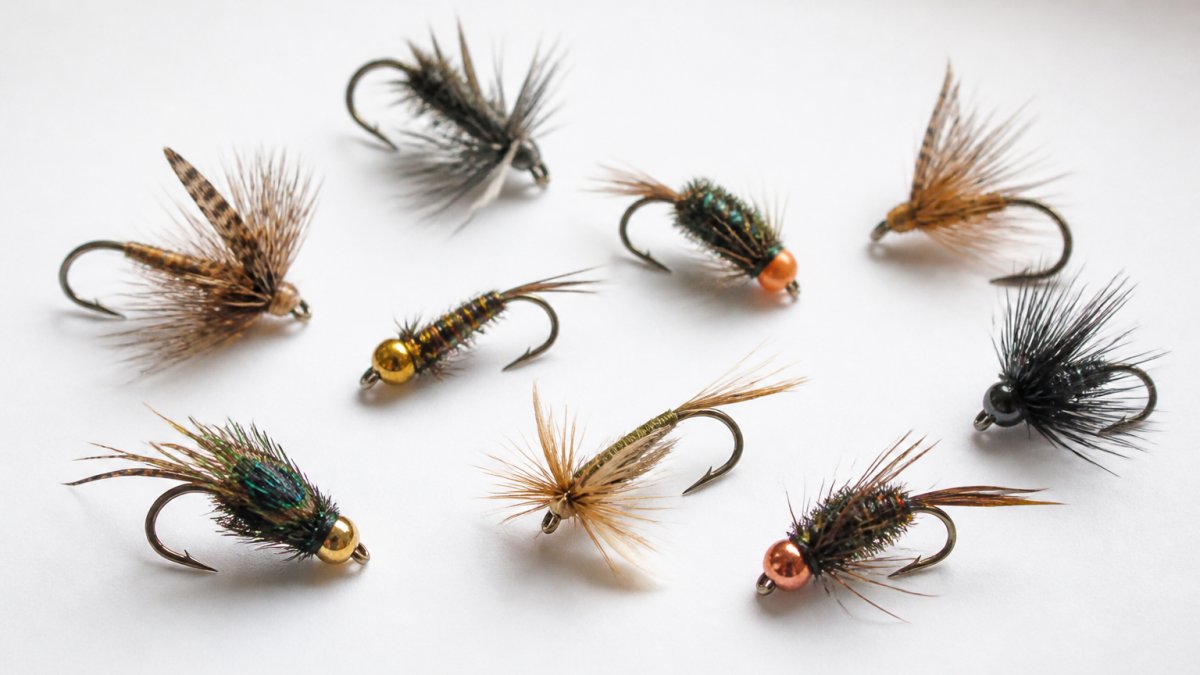
Invest in a macro lens or phone attachment. Flies need close-range photography to reveal materials and craftsmanship; distant photos don't convey quality.
Use natural window light whenever possible.
Take multiple angles: side profile, top view, and hook detail. Include a ruler or coin for scale so buyers understand actual size.
Photograph each pattern separately, don't reuse photos across listings. Consistent quality builds credibility.
Edit minimally: adjust brightness and contrast if needed, but don't oversaturate. Honest representation prevents returns and negative feedback.
Write Effective Product Listings and Descriptions
Your listing convinces a buyer to purchase.
Write a description explaining the fly's purpose: what species it imitates, what water conditions it suits, and which seasons work best.
Include keywords naturally: "dry flies," "trout flies," "handmade fishing flies," and specific pattern names, so your listing appears in marketplace search.
Keep descriptions concise but complete. Most buyers scan, so use short sentences and bullets to highlight key facts.
If you offer customization, say so, some buyers want specific colors or sizes. Be clear about additional costs for custom work.
Shipping Handmade Fishing Flies Safely and Affordably
Shipping is where sellers lose money or customers to high costs.
Use small padded mailers or boxes that fit snugly.
Offer multiple shipping speeds where allowed. Standard works for most buyers; express or priority appeals to urgent needs and commands a higher fee that offsets costs.
Calculate shipping accurately: weigh packaged flies and check zone rates. Many sellers underestimate weight and lose money, use actual package weight, not fly weight alone.
Consider free shipping above a certain order price.
Include tracking with every shipment. It reduces disputes and builds buyer confidence.
Manage Inventory, Track Sales, and Grow Your Business
Track what you tie and what sells.
Monitor best sellers and tie more of them.
Watch seasonal trends: certain patterns fish better in spring, others in fall. Adjust inventory to match what anglers need each season.
Set aside weekly time for new stock.
Respond quickly to buyer messages. Prompt answers about size, materials, or customization build trust and encourage purchases.
Ask satisfied buyers for feedback. Positive reviews build credibility and improve search ranking; a few detailed reviews outweigh generic marketing claims.
Track profit margin over time.
Selling handmade flies online marketplace opens doors to a dedicated community of fly fishers and anglers who value quality and craftsmanship. At Ethically Fur, we've built a marketplace that prioritizes ethical sourcing and direct connections between makers and buyers. Browse our platform to see how fly tiers and material suppliers are building profitable businesses with transparency and trust.
Frequently Asked Questions
Where can I sell handmade fishing flies online?
You can sell handmade flies on general marketplaces like Etsy, specialized fishing platforms, and dedicated fly-fishing communities. Ethically Fur provides a marketplace specifically designed for artisans and fly tiers. Choose a platform based on your audience, fee structure, and whether you want to reach casual buyers or serious anglers. Each marketplace has different listing rules, commission rates, and shipping policies, so compare them before committing.
How do I price handmade fishing flies to make a profit?
Calculate your material costs, labor time, and marketplace fees, then add markup for profit. Consider selling in packs of three or lots to increase average order value. Research what similar patterns sell for on your chosen marketplace, but don't undercut yourself, quality handmade flies command premium pricing. Test different price points and adjust based on sales velocity.
What should I include in a handmade fly listing?
Include the fly pattern name, hook size, materials used (fur type, thread color, body material), intended target species (trout, mackerel, bass), and fishing conditions where it works best. Add clear product photos from multiple angles, specify whether you're selling individual flies or packs, and note any customization options. Be transparent about materials sourced, anglers increasingly value knowing that natural materials come from ethical sources. Mention how many you have in stock to manage buyer expectations.
How should I ship handmade fishing flies to keep costs down?
Ship flies in padded mailers or small boxes with tissue paper to prevent damage during transit. Use USPS Priority Mail or First Class Mail for domestic orders, these cost less than UPS or FedEx for lightweight packages. Offer flat-rate shipping based on order weight to simplify calculations. Consider bundling multiple orders before shipping to reduce per-unit costs. Include tracking and insurance for orders over $20. Clearly communicate shipping times and any handling delays upfront to avoid customer disputes.