 how-to
How to Sell Wild Harvested Fur: A Legal Guide
Table of Contents
- Who Is Legally Allowed to Sell Wild Harvested Fur
- Understanding State Regulations and Licensing Requirements
- How to Prepare Pelts for Sale
- How to Grade a Fur Pelt for Maximum Value
- Where to Sell Raw Fur Pelts: Your Channel Options
- Understanding Coyote Pelt Prices and Market Factors
- How to Ensure Safe and Ethical Transactions
- Frequently Asked Questions
Last Updated: October 5, 2026
Who Is Legally Allowed to Sell Wild Harvested Fur
Not everyone can sell wild harvested fur. The rules vary by state and depend on how you obtained the pelts. Understanding who qualifies as a legal seller is your first step.
If you trapped or hunted the animals yourself, you're generally allowed to sell the pelts. Most states recognize trappers and hunters as legitimate fur harvesters. You may need a trapping license or hunting license, depending on your state's requirements. Some states require additional permits specifically for selling fur.
If you're buying pelts from trappers to resell them, you'll likely need a fur dealer license. This is a business license that allows you to purchase and resell raw fur. The rules are strict about who can hold this license and what documentation you must keep.
Fur-bearing animal propagators (people who raise fur animals on farms) can also sell pelts. However, farmed fur has different regulations than wild-harvested fur. If you're selling wild-harvested fur specifically, document where the pelts came from.
Ethically Fur is a dedicated marketplace connecting buyers with wild-harvested, ethically farmed, and responsibly sourced fur products. We serve a community of crafters, taxidermists, and outdoor enthusiasts by offering a diverse selection of raw pelts, finished goods, and specialized trapping supplies.
Understanding State Regulations and Licensing Requirements
Each state has its own rules about selling wild harvested fur. There's no single federal law that covers all fur sales. You must check your specific state's wildlife agency for current requirements.
Most states require a fur dealer license if you're buying and reselling pelts. This license proves you're operating legally. The application process usually involves:
- Submitting a dealer application to your state wildlife agency
- Providing proof of business identity and location
- Paying a licensing fee
- Agreeing to keep detailed records of all fur purchases and sales
Some states also require a retention permit. This document shows you're holding pelts legally while waiting to sell them. The permit may have time limits. For example, you might need to sell or process pelts within 90 days of acquiring them.
Certain species have special protections. Protected species cannot be sold at all, even if you harvested them legally. Your state wildlife agency maintains a list of protected animals. Check this list before attempting to sell any pelt.
Trapping licenses are different from dealer licenses. A trapping license allows you to harvest fur. A dealer license allows you to buy and sell it. You may need both if you trap and resell pelts from other trappers.
Contact your state's wildlife or natural resources department for specific requirements. Requirements change, and penalties for selling without proper licenses are serious.
How to Prepare Pelts for Sale
Raw pelts must be prepared correctly to fetch good prices. Improper handling ruins quality and reduces value. Start with clean, dry pelts.
Remove all meat, fat, and tissue from the hide. Use a sharp knife and work carefully. Leave the fur intact. Scrape gently so you don't damage the pelt.
Dry the pelt completely before storing it. Hang it in a cool, dry place with good air circulation. Never use heat to dry it. High temperatures damage fur.
Store dried pelts in a cool, dry location away from pests. Use breathable storage containers, not plastic bags. Plastic traps moisture and causes mold.
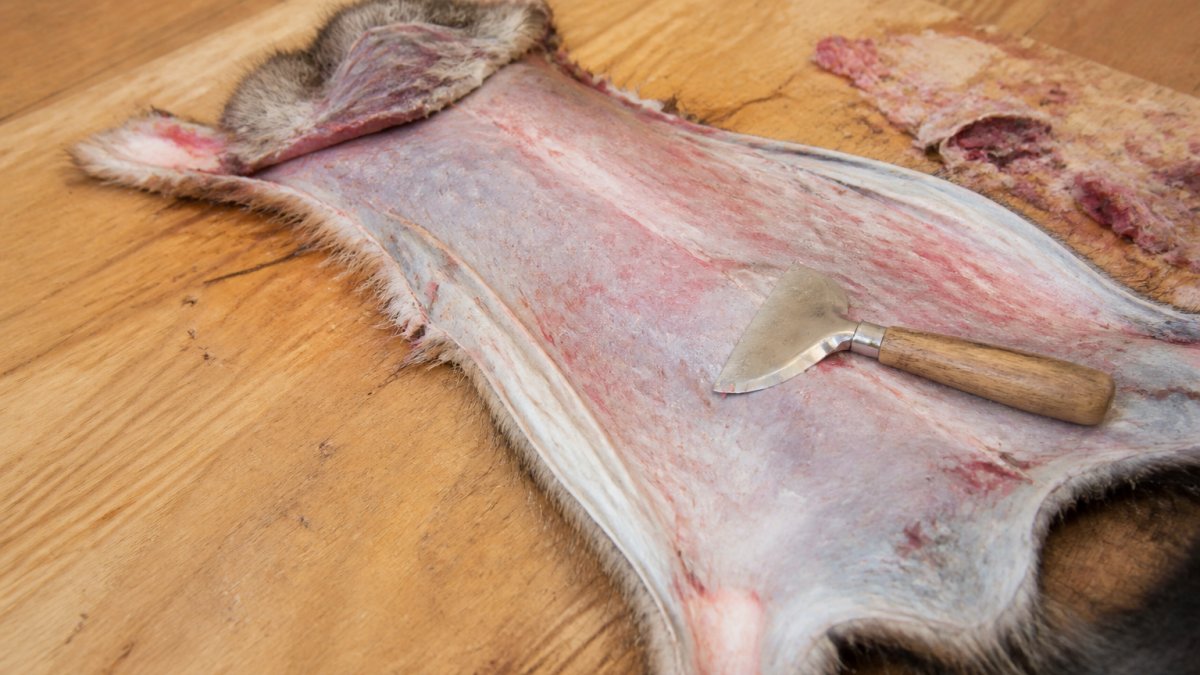
Keep detailed records of each pelt. Note the species, harvest date, condition, and any special features. This information helps buyers assess quality and value. Good records also prove legal compliance if questioned.
Temperature and humidity matter. Store pelts at 50-60 degrees Fahrenheit with humidity between 40-60 percent. Extreme conditions cause fur to slip (hair falls out) or become brittle.
Never use pesticides or harsh chemicals on pelts. These damage fur and create safety concerns for buyers. Natural storage methods work best.
How to Grade a Fur Pelt for Maximum Value
Grading determines what buyers will pay. Understand the standard grades used in the fur market. Grades reflect pelt condition, fur quality, and market demand.
The top grade is prime. Prime pelts have dense, undamaged fur with rich color. The leather is soft and flexible. No bare spots, tears, or discoloration.
Good grade pelts have minor flaws. Perhaps a small thin spot or slight color variation. The fur is still dense and attractive.
Fair grade pelts have noticeable damage. Multiple thin spots, some discoloration, or minor tears. The fur is still usable for crafts. Fair pelts have limited market value.
Poor grade pelts have significant damage. Large bare spots, heavy discoloration, tears, or matted fur. These pelts are rarely purchased for full-pelt use.
Evaluate each pelt carefully before assigning a grade. Look at the overall fur density and color uniformity. Check the leather for holes, cuts, or thin spots.
Size matters too. Larger pelts in good condition are worth more than small ones. Buyers need specific sizes for projects. Know the dimensions of your pelts.
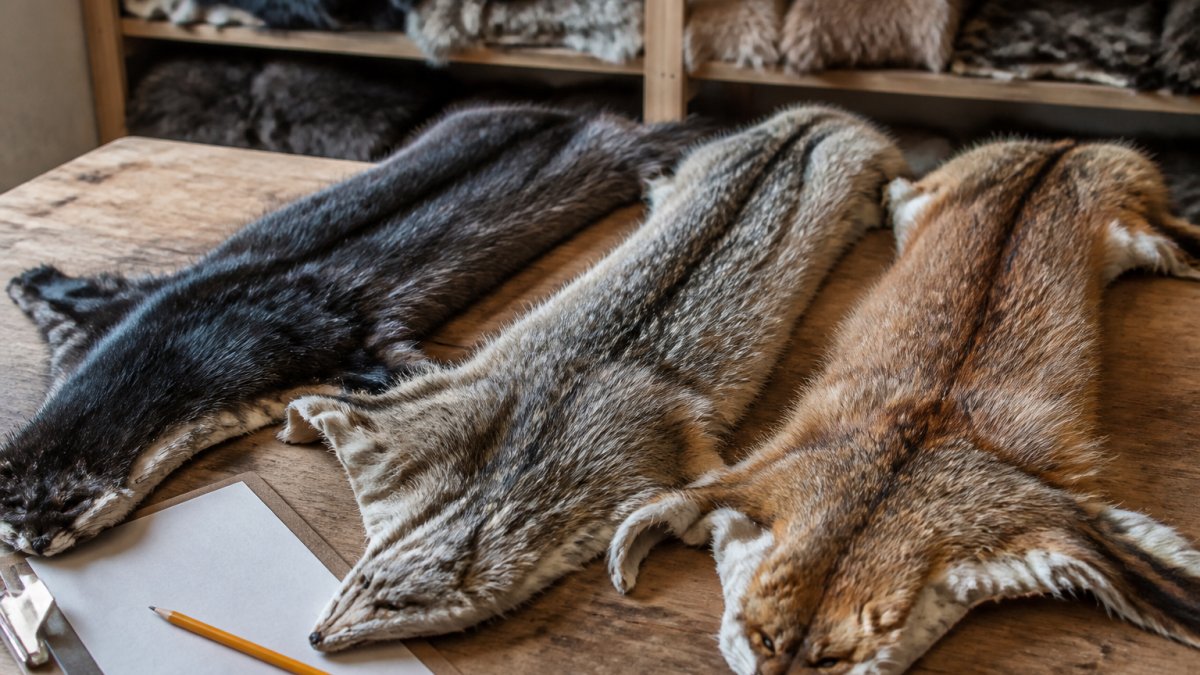
Species affects value significantly. Some species are in higher demand than others. Coyote, fox, raccoon, and muskrat are common market pelts.
Document your grade assessment. Write it down with photos if possible. Honest grading builds trust with buyers. Misrepresenting grade damages your reputation.
Where to Sell Raw Fur Pelts: Your Channel Options
Four main channels exist for selling wild harvested fur. Each has advantages and drawbacks. Choose based on your volume, timeline, and comfort level.
Selling to Local Buyers
Local fur buyers operate in many regions. Find them through state trapping associations, hunting groups, or wildlife agencies. Local buyers offer immediate payment and no shipping hassles.
Contact local buyers with photos and descriptions of your pelts. They'll often come to your location or meet you at a set point. This saves you time and shipping costs. Payment is usually cash on the spot.
The downside is limited negotiating power. Local buyers know they're your only option. Prices may be lower than other channels. You also have limited buyers to choose from.
Build relationships with local buyers. Regular sellers often get better prices. Buyers remember reliable suppliers with quality pelts.
Selling to Traveling Buyers
Traveling fur buyers visit regions seasonally. They set up temporary buying stations in towns and rural areas. Check with local hunting and trapping organizations for visiting buyer schedules.
Traveling buyers offer fair prices and quick transactions. They handle large volumes, so they move fast. You bring pelts to their location and get paid immediately.
Traveling buyers are less personal than local relationships. Prices depend on their current market demand. You have no control over timing. If a buyer doesn't visit your area, this option isn't available.
Selling by Mail to Fur Firms
Mail firms accept pelts shipped from anywhere. You pack and ship your pelts. The firm grades them, offers a price, and sends payment.
Mail firms offer several advantages. You can access national markets without traveling. You're not limited to local or seasonal buyers. Mail firms often have better pricing than local buyers.
The process takes longer. Shipping takes days. Grading and payment processing adds another week or two. You won't know the final price until the firm receives and evaluates your pelts.
Choose reputable mail firms with established histories. Check references and online reviews. Understand their grading standards before shipping. Some firms are known for fair dealing. Others have poor reputations for undergrading pelts.
Insurance is important when shipping by mail. Insure packages for full declared value. Keep detailed records of what you shipped and when.
Selling at Fur Auctions
Fur auctions bring together buyers and sellers. Auctions happen seasonally in major fur markets. You consign pelts to the auction house. They sell your pelts to the highest bidder.
Auctions offer market-driven pricing. Competition among buyers often pushes prices higher. You get exposure to many potential buyers at once.
Auctions require advance planning. You must prepare pelts weeks in advance. Auction fees reduce your final payment. Auctions are concentrated in certain regions and times of year.
Research auctions in your area. Some states have established auction houses. Ask your state wildlife agency or trapping association for auction schedules.
Understanding Coyote Pelt Prices and Market Factors
Coyote pelts are among the most commonly sold wild harvested fur. Prices fluctuate based on several factors. Understanding these factors helps you time your sales.
Market demand drives price. Fashion trends affect demand for specific fur types. Winter demand is typically higher than summer.
Pelt quality directly impacts price. Prime pelts command significantly higher prices than good or fair grade pelts. Density, color, and size all matter.
Supply levels affect prices. When many trappers bring pelts to market, prices drop. When supply is tight, prices rise. Monitor supply trends through your local buyers or fur associations.
Seasonal timing matters. Fall and winter pelts have thicker, fuller fur. Spring and summer pelts are thinner. Winter pelts are worth more.
Geographic location influences prices. Rural areas may have lower prices than urban markets. Different regions have different buyer concentrations. Traveling to major fur markets sometimes yields better prices.
International markets affect domestic prices. Global demand for fur influences what buyers pay. Trade policies and tariffs can shift prices quickly.
Check current market prices before selling. Contact multiple buyers to compare offers. Don't accept the first offer if you can shop around. Prices vary between buyers.
Document your price negotiations. Keep records of offers received and prices accepted. This helps you understand market trends over time.
How to Ensure Safe and Ethical Transactions
Safe transactions protect you and your buyers. Ethical practices build trust and reputation.
Meet buyers in safe public locations when possible. Avoid meeting strangers at isolated spots. Tell someone where you're going and when you'll return.
Use secure payment methods. Cash is immediate but risky for large amounts. Checks provide documentation. Wire transfers or bank transfers offer security.
Get written agreements for significant sales. Document what you're selling, the price, and payment terms. Both parties sign.
Verify buyer credentials. Legitimate dealers have licenses and established reputations. Ask for references. Check with your state wildlife agency to confirm licenses.
Provide accurate descriptions. Honestly grade your pelts. Disclose any damage or flaws. Misrepresenting quality damages your credibility and can create legal problems.
Keep records of all sales. Document the buyer's name, date, pelt descriptions, and prices. These records prove legal compliance.
Ask about pelt provenance when buying from other trappers. Ethically sourced pelts come from licensed trappers following legal harvest methods.
Never sell protected species. Verify that every species you sell is legal to trade. Your state wildlife agency lists protected animals.
Understand the end use of your pelts. Responsible buyers use pelts for legitimate purposes. Craft projects, taxidermy, fly-tying, and fashion are common uses.
Selling wild harvested fur requires understanding regulations, preparing pelts properly, and finding the right buyers.
Frequently Asked Questions
What types of fur are legal to sell?
Most wild-harvested fur from common species like coyote, fox, raccoon, and muskrat can be sold legally, but protected species vary by state. Federal law prohibits selling fur from endangered species and marine mammals. Check your state's wildlife agency website for a complete list of protected and harvestable species in your region. Some states restrict sales of certain furs during specific seasons or require harvest permits.
How should I prepare a pelt before selling it?
Clean the pelt thoroughly to remove dirt, debris, and excess flesh. Stretch it on a board or frame to dry completely, which prevents shrinkage and mold. Store in a cool, dry location away from sunlight and pests. Proper storage prevents hair slippage and maintains pelt quality. Avoid folding or creasing the fur, as damage reduces value. Grading begins with a clean, properly dried pelt.
How much is a coyote pelt worth in 2026?
Coyote pelt prices fluctuate based on fur quality, season, market demand, and size. Pricing depends on pelt condition, color, and whether the fur is prime (winter coat) or summer fur. Contact local fur buyers, traveling buyers, or fur auction houses for current market quotes. Prices vary significantly by region and buyer type, so comparing multiple offers before selling ensures you receive fair value for your harvest.
What records or permits may I need to sell fur?
Requirements vary by state. Most states require a trapping license to harvest wild fur legally, and some mandate retention permits if you hold pelts for sale. Keep detailed records of harvest dates, species, and locations. Some states require sellers to register with the state wildlife agency or obtain a fur dealer license. Contact your state's Department of Fish and Wildlife or equivalent agency for specific documentation and permit requirements in your area.