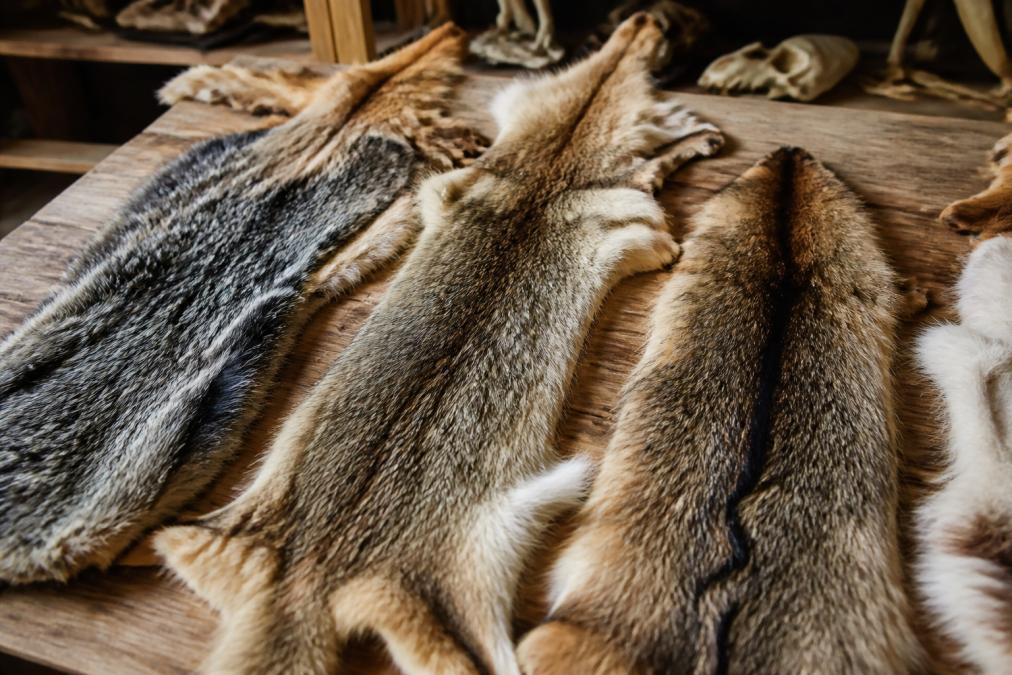
 listicle
Best Alternatives to Etsy for Fur
Table of Contents
- Why Fur Sellers Outgrow Etsy
- Marketplace Comparison: Features That Matter
- Ethically Fur: A Marketplace Built for Your Community
- Where to Sell Raw Animal Pelts Online
- F&T Post Alternative for Trappers and Hunters
- F&T post's core strength is community alignment. The platform was built by people in the trapping industry, not retrofitted by a tech company.
- Direct-to-Consumer Platforms vs. Marketplaces
- Making Your Choice: Platform Selection Criteria
- Frequently Asked Questions
Last Updated: September 30, 2026
Why Fur Sellers Outgrow Etsy
Etsy wasn't designed for fur sellers. Commission structures, policy ambiguity around animal products, and limited inventory management tools create friction for anyone scaling a fur business. Of course, most significant was Etsy’s decision to ban products made from or containing natural animal fur are prohibited with minimal exceptions for taxidermy and livestock.
Alternatives to Etsy for fur now exist, built specifically for this community. Your platform choice directly impacts margins, customer reach, and authenticity.
Ethically Fur addresses what general marketplaces miss: transparent ethical sourcing verification, direct connections to North American hunters and trappers, and a community that understands wild-harvested and responsibly farmed materials.
Marketplace Comparison: Features That Matter
When evaluating alternatives to Etsy for fur, focus on four core dimensions: fee structure, inventory management capabilities, audience reach, and platform policy around animal products.
Fee structure directly affects profitability. Bonanza charges 3.5% commission with no listing fees. Amazon Handmade charges 15% referral but reaches millions of premium buyers. Etsy's combined listing and transaction fees compound on low-margin items.
Inventory management separates casual from professional sellers. Shopify and Big Cartel offer full control over inventory tracking and product organization, critical for managing dozens of SKUs across pelt grades, sizes, and species. eBay's auction format works for one-off items but not consistent stock.
Audience demographics matter more than traffic volume. Etsy attracts budget-conscious DIY crafters; Amazon Handmade reaches affluent artisan buyers; Ethically Fur connects you with taxidermists, fly tiers, and hunters willing to pay for ethical sourcing.
Platform policy on animal products is critical. Some marketplaces have vague or restrictive policies around fur and wildlife products. Ethically Fur explicitly welcomes wild-harvested and ethically farmed fur, eliminating suspension risk.
Platform | Best For | Fee Model | Inventory Tools | Policy on Fur |
|---|---|---|---|---|
Ethically Fur | Ethical fur sellers, taxidermists, fly tiers | 6% Commission + $1.00 in fees per sale + Payment Processing | Customizable browsing | Explicitly welcoming |
Shopify | Independent brand builders | $39+/month subscription + Payment Processing | Full control | Permissive with disclosures |
Amazon Handmade | High-volume finished goods | 15% Referral Fee on total checkout value | Limited customization | Restricted (review required) |
Bonanza | Cost-conscious sellers | 11% final value fee + Payment Processing | Cross-listing enabled | Permissive |
eBay | Auction-style or one-off sales | 13.6% + $0.40 per sale | Basic tools | Permissive with restrictions |
Big Cartel | Minimal-overhead creators | Free tier available, most are monthly shops $15-$30 + Payment Processing | Basic tracking | Permissive |
Ethically Fur: A Marketplace Built for Your Community
Ethically Fur was designed by people in the fur community, not retrofitted by a tech company. It connects buyers directly with North American hunters, trappers, and ethical producers, eliminating middleman friction.
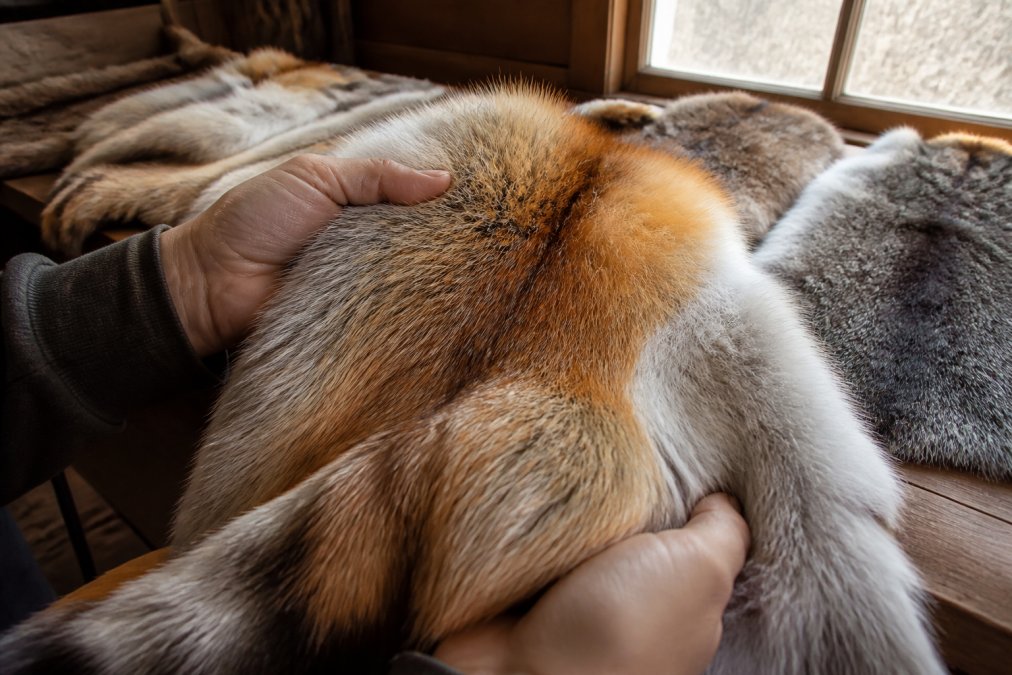
Sellers discuss their source locations and practices. Buyers, taxidermists, fly tiers, material sourcing professionals, know exactly where materials come from, eliminating the question that haunts Etsy shoppers: "Is this actually ethically sourced?"
Ethically Fur's customizable browsing lets taxidermists filter by species and grade, fly tiers by hair type and color, and crafters by condition and rarity, without wading through irrelevant inventory.
Direct connections to North American sources mean consistent supply and trusted relationships. You're not competing against thousands of generic sellers; you're building reputation within a community that values quality and ethics.
Where to Sell Raw Animal Pelts Online
Raw pelts present a distinct challenge that finished fur goods don't: they're classified as raw animal materials, which triggers different regulatory and logistical requirements depending on species, origin, and destination. This distinction is critical because it determines which platforms will actually process your sales without flagging or suspending your account.
Understanding the regulatory landscape
Raw pelts fall under CITES if from protected species and the Lacey Act if crossing state lines. Domestic pelts (beaver, muskrat, coyote, fox) are unrestricted; exotic pelts (tiger, leopard) are prohibited. Most general marketplaces lack infrastructure to verify compliance, so they ban raw animal products or require extensive documentation.
Ethically Fur vets sellers upfront and requires documentation of legal harvest before listing, eliminating suspension risk.
Shipping raw pelts: The logistics barrier
Raw fur must ship in breathable packaging to prevent mold. Vacuum-sealed pelts deteriorate in transit. Professional shippers use ventilated boxes or kraft paper wrapping, adding cost and complexity.
International shipping requires CITES permits for protected species (fws.gov). Domestic cross-state shipping requires accurate species identification. Carriers require special handling declarations, delaying shipment 24-48 hours.
Ethically Fur provides shipping templates and carrier guidance built into the platform. eBay and Bonanza leave logistics to the seller, creating risk for inexperienced sellers.
Platform-by-platform breakdown for raw pelts
Ethically Fur is purpose-built for raw pelt transactions. The platform's seller vetting process confirms legal harvest before listing, and the buyer base (taxidermists, fly tiers, material sourcing professionals) understands raw pelt quality grades and is willing to pay accordingly. Shipping documentation is standardized, reducing compliance friction. Commission structure is transparent, and payment processing accounts for the higher-value transactions typical of raw pelt sales.
eBay works for rare or vintage pelts. Auction format often yields better prices than fixed-price listings. Final value fees (12.9-15%) compound on high-value pelts, and you'll face competition from established dealers. Buyer disputes over quality can be protracted.
Bonanza charges 11% final value fee and permits raw animal products. Cross-listing tools sync inventory across channels. However, the audience is smaller and less specialized than eBay.
Shopify ($39-$299/month) lets you own customer relationships and avoid marketplace competition. Requires active marketing to taxidermists and craft networks. You control shipping policies and documentation but handle all compliance verification.
Facebook Marketplace and private sales offer no buyer protection or compliance framework. Only viable for local transactions with known buyers.
The hidden cost: Compliance time
Compliance time varies by platform. Ethically Fur vets once during onboarding. eBay and Bonanza require species and origin info per listing. Shopify requires buyer verification. This can consume 5-10 hours weekly for 50+ listings.
Strategic recommendation for raw pelt sellers
Start on Ethically Fur for domestic pelts with minimal compliance friction. Test eBay's auction format for rare pelts. Add Shopify once you've established a customer base. This hybrid approach balances reach with control.
F&T Post Alternative for Trappers and Hunters
F&T Post connects trappers directly with taxidermists, furriers, and material suppliers. But "default" doesn't mean "best." Trappers outgrow single-platform dependency due to concentration risk, fee pressure, and limited audience reach.
What F&T Post does well
F&T post's core strength is community alignment. The platform was built by people in the trapping industry, not retrofitted by a tech company.
Where F&T Post Lmits trapper growth
Ethically Fur as a F&T Post alternative
For trappers, Ethically Fur's advantages over F&T Post include:
- Audience reach: Ethically Fur attracts buyers from multiple channels (direct traffic, SEO, social referrals), not just trappers and professional traders. This means your pelts reach a wider market willing to pay premium prices.
- Inventory tools: You can organize pelts by species, grade, size, and season, making it easier to manage multi-year inventory or seasonal patterns.
- Payment speed: Payments are processed faster than Fntpost's weekly schedule, improving cash flow.
- Branding: Trappers can build a reputation and brand on Ethically Fur, with buyer reviews and seller ratings that follow them across seasons.
eBay for trappers selling rare or seasonal inventory
eBay works best for trappers with:
- Rare or unusual pelts (unusual color phases, large specimens, exotic species)
- Limited inventory (fewer than 20 pelts per season)
- Willingness to manage auction timing and buyer communication
Bonanza for trappers building a direct audience
Shopify for trappers building a brand
Shopify works best for trappers who:
- Have built a reputation and have repeat customers
- Want to sell premium pelts at premium prices without marketplace competition
- Are willing to invest in email marketing and social media outreach
- Want to bundle pelts with finished goods (tanned hides, fly-tying materials, etc.)
The hybrid approach: Multi-platform strategy for serious trappers
Making the decision: Fntpost vs. alternatives
Stay on F&T Post if:
- You're selling 50+ pelts per season and the buyer concentration justifies the fee
- You prefer simplicity over features
- Your customer base is primarily professional traders and taxidermists
- You don't need advanced inventory management
Move to Ethically Fur if:
- You want broader audience reach without sacrificing community alignment
- You're selling 20-50 pelts per season and want to maximize price per pelt
- You want inventory management tools and faster payment processing
- You're interested in building a personal brand as a trapper
Add eBay if:
- You have rare or unusual pelts that command premium prices
- You want to test market demand for new species or grades
- You're willing to manage auction timing and buyer communication
Build a Shopify store if:
- You've established a reputation and have repeat customers
- You want to sell finished goods (tanned hides, fly-tying materials) alongside raw pelts
- You're willing to invest in marketing and customer relationship management
Direct-to-Consumer Platforms vs. Marketplaces
Marketplaces offer built-in traffic but take commissions and impose policies. DTC platforms give control but require you to drive traffic. Many successful sellers use both: Ethically Fur for discovery and volume, Shopify for premium items and direct relationships.
Making Your Choice: Platform Selection Criteria
Evaluate alternatives to Etsy for fur on: fee transparency, audience fit, policy clarity on animal products, inventory tools, customer relationship ownership, shipping support for raw pelts, and growth trajectory. Many successful sellers start on Ethically Fur for discovery, then expand to other platforms once they've built a customer base.
Frequently Asked Questions
Where can I sell raw pelts and fur online?
Several platforms accept raw animal pelts, including Ethically Fur (specialized for ethical sourcing), eBay (auction and fixed-price options), Bonanza (low-fee marketplace), and direct-to-consumer sites like Shopify. Ethically Fur stands out by connecting you with buyers specifically seeking wild-harvested and responsibly sourced materials, eliminating the need to compete with mass-market listings.
Is it legal to sell fur products on major marketplaces?
Yes, but with restrictions. Most platforms allow fur sales, though some prohibit certain endangered species or require documentation of ethical sourcing. Always check the platform's policy on animal products before listing. Ethically Fur prioritizes transparency and compliance, making it a safer choice if you're uncertain about regulations.
What's the difference between Ethically Fur and general handmade marketplaces?
Ethically Fur specializes exclusively in wild-harvested, ethically farmed, and responsibly sourced fur products. General platforms like Etsy or Amazon Handmade mix fur with thousands of unrelated items, diluting visibility. Ethically Fur's niche focus means your products reach buyers actively seeking ethical sourcing, not casual shoppers browsing unrelated categories.
How do commission fees and pricing models differ across platforms?
Fees vary significantly: Bonanza charges 3.5% final value fees with no listing costs, Amazon Handmade takes 15% commission, eBay variable fees depend on category, and Shopify costs $39/month with no transaction fees. Ethically Fur's fee structure is transparent. Compare total costs including listing, commission, and payment processing before choosing.