 listicle
Best Sources for Ethically Harvested Pelts
Table of Contents
- What Defines Ethically Harvested Pelts
- Wild-Harvested Fur vs Industrial Fur
- How to Identify Ethically Sourced Pelts
- Top Sources for Ethically Harvested Pelts
- Supplier Comparison and Selection Criteria
- Trapping Regulations for Fur Harvesting
- Verifying Supply Chain Transparency and Certification
- Frequently Asked Questions
Last Updated: September 27, 2026
What Defines Ethically Harvested Pelts
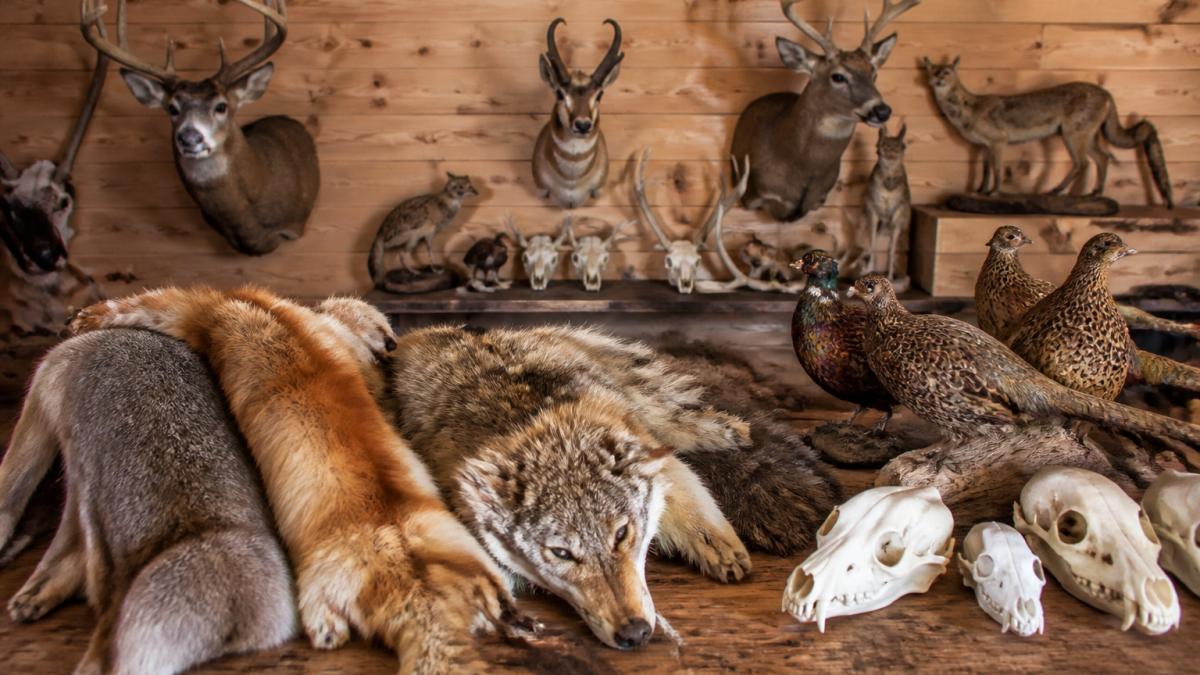
Ethically harvested pelts are animal furs sourced through methods that prioritize animal welfare, environmental responsibility, and transparent supply chains. Unlike mass-produced industrial fur, ethically harvested pelts come from wild trapping, sustainable farming practices, or responsible by-product collection from the meat industry.
The distinction matters because sourcing determines everything: the quality of the material, the environmental footprint, and whether your purchase supports humane treatment standards. At Ethically Fur, we connect buyers with wild-harvested, ethically farmed, and responsibly sourced fur products.
What separates ethical sourcing from greenwashing is traceability. A pelt labeled "ethical" without documentation is just marketing. Real ethical sourcing includes proof of origin, harvesting method, tanning process transparency, and compliance with regional regulations. The best sources can trace a pelt back to the specific trapper or farm and provide documentation of every processing step.
Wild-Harvested Fur vs Industrial Fur
Wild-harvested fur and industrial fur farming represent fundamentally different sourcing models, each with distinct ethical and environmental implications.
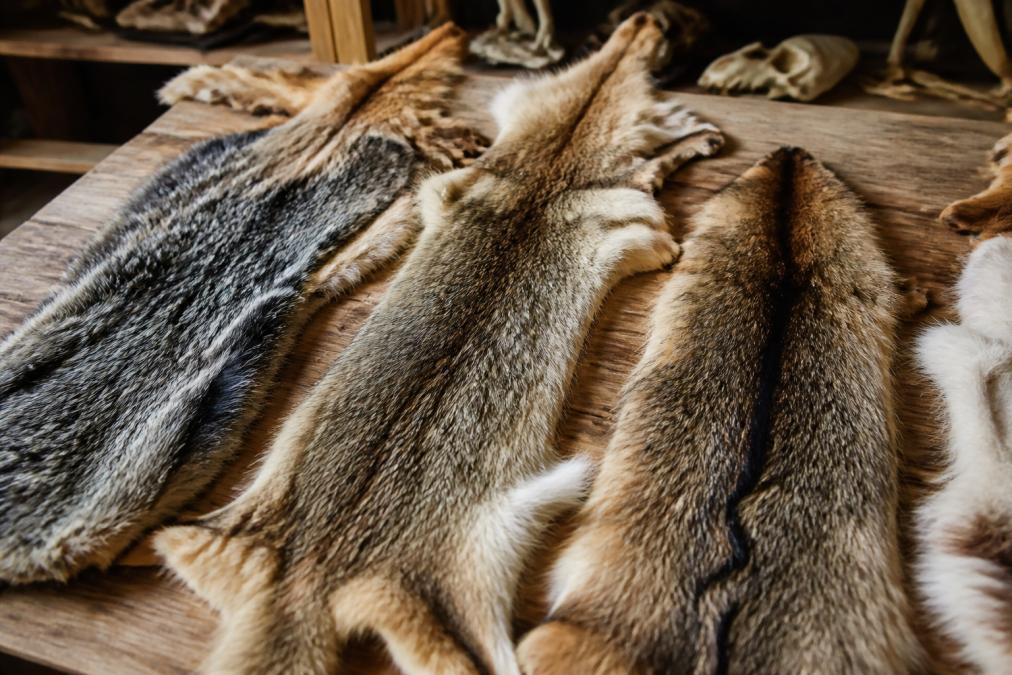
Wild-harvested fur comes from trappers who work within regulated seasons and harvest limits set by wildlife management agencies. This approach ties directly to conservation: regulated trapping helps control wildlife populations and prevents overhunting. The pelts reflect natural variation in color, texture, and size because they come from individual animals in their natural habitat. Trappers typically use humane killing methods and follow strict protocols.
Industrial fur farming concentrates animals in enclosures specifically for pelt production. While some farms implement welfare certifications like WelFur or Saga Farm Certification, the fundamental model prioritizes volume over individual animal conditions. Farmed pelts offer consistency in size and color, making them predictable for manufacturers. However, the environmental cost includes feed production, waste management, and land use.
By-product sourcing occupies a middle ground. When trappers or hunters harvest animals primarily for meat, hides become a secondary product. This approach maximizes resource use and reduces waste from the meat industry. By-products avoid the ethical concerns of farming-specific operations while supporting hunters and trappers economically.
The key ethical distinction: wild harvesting is regulated by state wildlife agencies and tied to population management. Industrial farming is regulated by animal welfare standards but not by ecological necessity. By-products represent minimal additional environmental impact since the animal was harvested for food regardless.
How to Identify Ethically Sourced Pelts
Identifying ethically sourced pelts requires moving beyond seller claims to actual verification. Here's what separates legitimate sources from those making unsubstantiated ethical claims.
Check for supply chain documentation. Legitimate sellers provide trapper names, harvest dates, and geographic origin. Request this information directly. If a seller resists providing specifics or says "we can't share that information," move on. Ethical sourcing thrives on transparency because it's the competitive advantage.
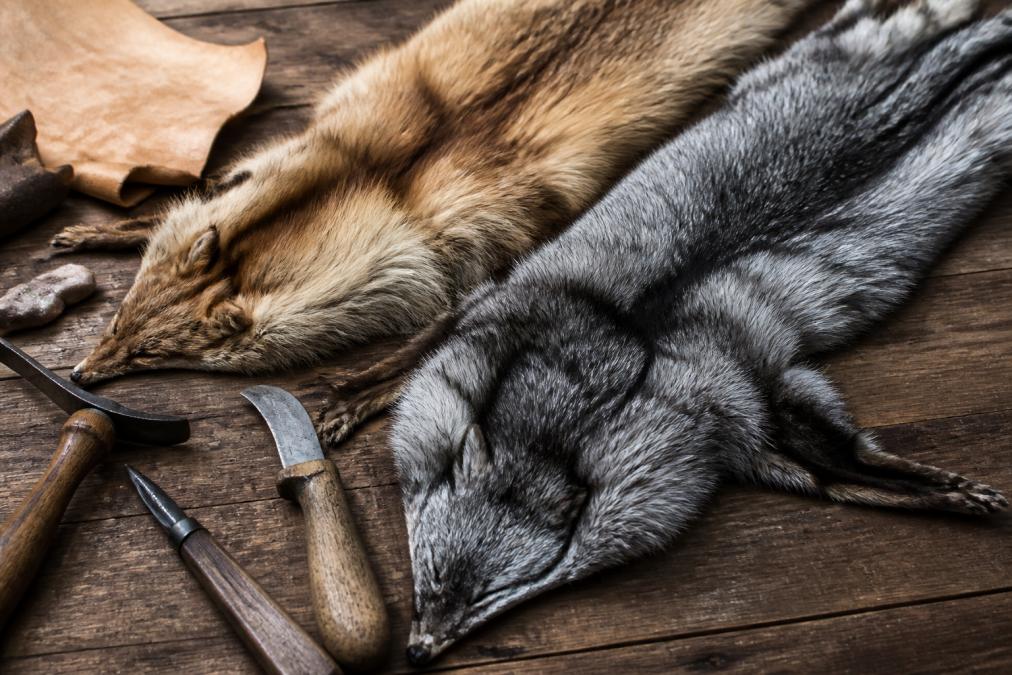
Verify tanning and processing methods. Ask whether pelts were tanned using vegetable tanning, chrome tanning, or synthetic methods. Non-toxic tanning processes matter for both the final product quality and environmental impact. Sellers should specify whether hides were treated with pesticides or other chemicals and provide documentation of tanning facilities' compliance with environmental standards.
Look for third-party certifications. Saga Farm Certification and WelFur certification indicate independent audits of animal welfare standards. These certifications don't apply to wild-harvested fur, but for farmed pelts, they're essential. For wild-harvested materials, state trapping licenses and harvest tags provide verification.
Confirm regulatory compliance. Wild-harvested pelts should come with proof of legal harvest within state trapping seasons. Ask for harvest documentation. Imported pelts should have CITES (Convention on International Trade in Endangered Species) permits if applicable. This is non-negotiable for legally sourced materials.
Evaluate sourcing consistency. Ethical suppliers maintain relationships with specific trappers or farms, not random inventory. Ask how long they've worked with their suppliers and whether they can name them. Long-term relationships indicate stability and accountability.
Top Sources for Ethically Harvested Pelts
Ethically Fur
Ethically Fur operates as a dedicated marketplace specifically designed to connect buyers directly with wild-harvested and responsibly sourced pelts. The platform prioritizes transparency by requiring sellers to document their sourcing methods and harvesting practices before listing inventory.
What sets Ethically Fur apart is the direct connection between buyers and North American trappers, hunters, and ethical suppliers. Rather than purchasing through middlemen, you source directly from the people who harvested the material. This model ensures you know exactly where your pelt originated. The marketplace includes raw pelts, finished goods, and specialized trapping supplies, making it a comprehensive resource for crafters, taxidermists, and fly-tiers.
The platform's customizable browsing experience lets you filter by species, harvesting method, and geographic origin. This specificity matters for professionals who need exact material specifications. Inventory fluctuates based on trapping seasons and supplier availability.
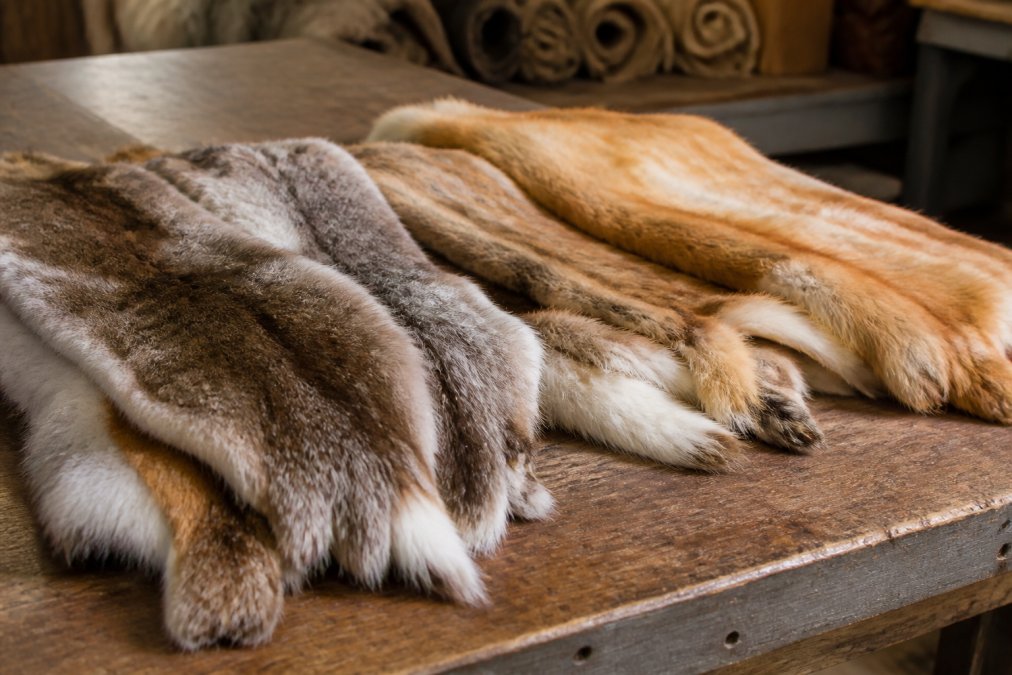
Maine Wild Harvest Co.
Maine Wild Harvest Co. specializes in professionally soft-tanned pelts sourced through sustainable and ethical trapping methods. Their operation focuses on quality over volume, working with established trappers who follow state regulations and humane harvesting protocols.
Their pelts arrive clean, pliable, and ready for immediate use in crafting or taxidermy projects. The soft-tanning process they employ creates material that's easier to work with than raw hides while preserving the natural texture and appearance. They maintain direct relationships with trappers, which means they can verify harvest dates, methods, and compliance with state regulations.
Inventory availability fluctuates seasonally, which is expected for wild-harvested materials. Contact them directly for current stock and specific species availability. Their approach appeals to professionals who need documented sourcing and high-quality tanning standards.
Sitka Fur Gallery
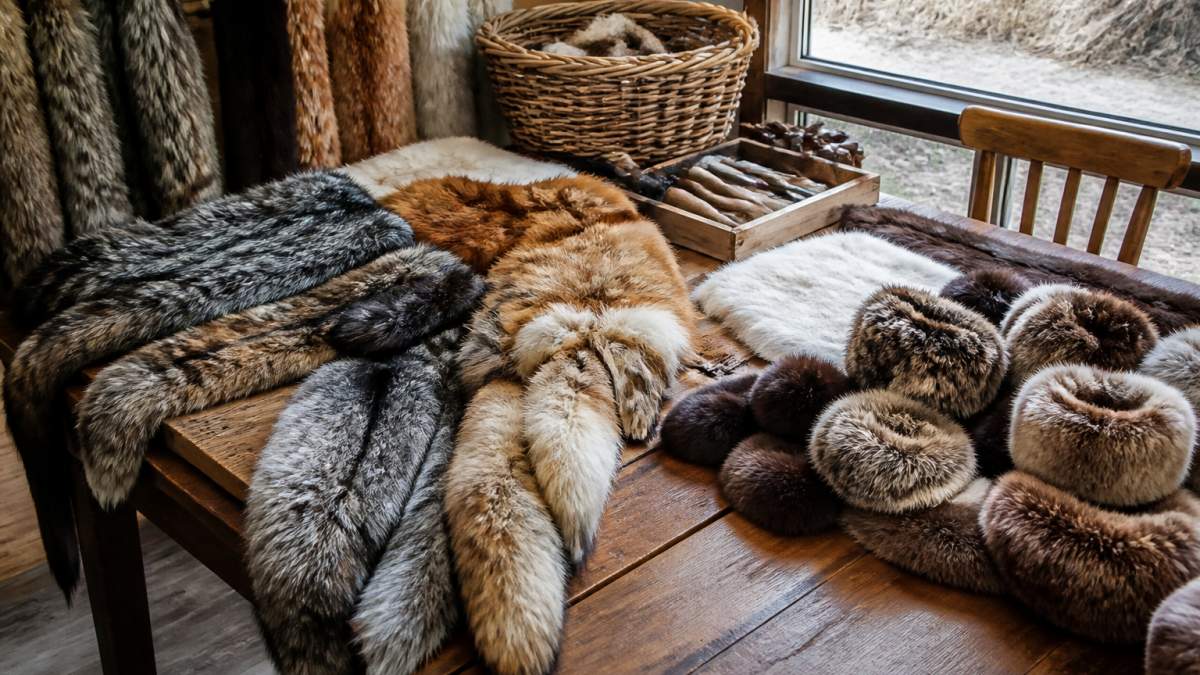
Sitka Fur Gallery emphasizes traditional fur processing techniques combined with contemporary animal welfare standards. They focus on finished goods, coats, hats, and accessories, rather than raw materials, making them ideal if you're seeking completed ethically sourced items rather than crafting supplies.
Their commitment to sustainable animal welfare standards means they work with suppliers meeting rigorous ethical criteria. The gallery's transparent ethical guidelines are published on their site, giving buyers clear visibility into their sourcing philosophy. If you need a finished product rather than raw materials, their curated selection represents a vetted starting point.
Saga Furs and Kopenhagen Fur
Saga Furs and Kopenhagen Fur operate as international auction houses that implement industry-leading certification systems. Saga Furs uses Saga Farm Certification, while Kopenhagen Fur operates the WelFur certification program. Both systems provide independent audits of animal welfare standards on participating farms.
These platforms primarily serve wholesale buyers and luxury brands rather than individual crafters. If you're sourcing large quantities for commercial purposes, their certified supply chains and traceability systems offer institutional-grade verification. Their auction model and wholesale focus mean they're less accessible for small-quantity retail purchases, but they represent the highest certification standards in the industry.
Supplier Comparison and Selection Criteria
| Supplier | Best For | Key Strength | Primary Limitation |
|---|---|---|---|
| Ethically Fur | Crafters, taxidermists, fly-tiers | Direct connection to trappers, transparent sourcing | Inventory varies seasonally |
| Maine Wild Harvest Co. | Quality-focused professionals | High-quality soft tanning, documented harvesting | Limited species availability |
| Sitka Fur Gallery | Finished goods buyers | Traditional craftsmanship, published ethical standards | Focuses on completed items, not raw materials |
| Saga Furs | Wholesale and commercial buyers | Industry-leading certification, institutional traceability | Wholesale-focused, not retail-friendly |
| Kopenhagen Fur | Large manufacturers and brands | Comprehensive welfare monitoring, rigorous grading | Institutional scale, not individual buyers |
Selecting the right supplier depends on your specific needs. If you're a crafter needing raw materials with documented sourcing, Ethically Fur and Maine Wild Harvest Co. offer direct access to ethical suppliers. If you need finished products, Sitka Fur Gallery provides curated options. If you're sourcing at commercial scale, Saga Furs and Kopenhagen Fur offer certification systems designed for institutional buyers.
Trapping Regulations for Fur Harvesting
Ethical fur harvesting operates within a framework of state and federal regulations designed to ensure sustainable wildlife populations and humane practices. Understanding these regulations helps you verify that pelts come from legal, responsible sources.
State wildlife agencies set trapping seasons, species harvest limits, and equipment requirements. These regulations vary significantly by state and species. Some states prohibit trapping certain animals entirely, while others allow year-round harvesting of specific species. Legitimate trappers maintain current licenses and follow all state-mandated protocols.
Humane killing methods are regulated through equipment standards.
Verifying Supply Chain Transparency and Certification
Supply chain transparency separates genuine ethical sourcing from marketing claims. Here's how to verify that a supplier's ethical claims are backed by actual practices.
Frequently Asked Questions
What defines an ethically harvested pelt?
An ethically harvested pelt comes from animals taken through humane methods with proper trapping regulations followed, minimal waste, and transparent supply chain documentation. The harvesting respects animal welfare standards, uses by-product materials where possible, and includes clear traceability from trapper to buyer. Certification bodies and regional wildlife management programs verify these practices.
How does wild-harvested fur compare to industrial fur farming?
Wild-harvested fur relies on natural population management and seasonal trapping, reducing the environmental footprint of dedicated farming infrastructure. Industrial fur farming requires controlled environments, feed production, and waste management systems. Wild-harvested methods align with conservation-based harvesting principles and wildlife management, while industrial operations focus on volume and consistency. Both can meet ethical standards when properly regulated.
How can I verify that pelts are actually ethically sourced?
Request documentation from suppliers showing trapper identification, harvest dates, and regional certifications. Look for third-party verification through bodies like WelFur or Saga Farm Certification. Ask about supply chain transparency and tanning process details. Reputable sellers provide material provenance information and can explain their sourcing framework.
Are there regulations governing the sale of wild-harvested pelts?
Yes. The Endangered Species Act protects certain animals, and individual states regulate trapping seasons, methods, and licensing. Most states require trappers to hold valid licenses and follow specific harvest regulations. The Convention on International Trade in Endangered Species (CITES) restricts trade in protected species. Always verify your state's regulations before purchasing or selling wild-harvested pelts.