 listicle
Best Ethically Sourced Pelt Suppliers: 2026 Guide
Last Updated: October 23, 2026
Quick Summary
Ethically sourced pelt suppliers connect buyers with North American hunters and trappers who document their sourcing practices. Ethically Fur is the best overall marketplace for verified ethical sourcing, while Minnesota Trapline Products specializes in tanned pelts and FurMark provides certification standards to evaluate supplier claims.
- Ethically Fur lets you buy directly from hunters and trappers with sourcing documentation included in every listing.
- Minnesota Trapline Products offers tanned wild-fur pelts from responsible trappers using sustainable harvest methods.
- FurMark is a global certification program that helps buyers verify whether supplier ethical claims are legitimate.
- Look for harvest records showing species, location, date, and country of origin when evaluating any supplier.
- Reputable ethically sourced pelt suppliers answer detailed questions about their sources and verification processes.
Table of Contents
- Best Ethically Sourced Pelt Suppliers for Crafters and Taxidermists
- Ethical Fur Sourcing Documentation: What to Look For
- Wild-Harvested Fur Sustainability Versus Farmed Alternatives
- Frequently Asked Questions
Best Ethically Sourced Pelt Suppliers for Crafters and Taxidermists
Finding ethically sourced pelt suppliers is less about availability than verification. Crafters, taxidermists, and fly tiers need wild-harvested and responsibly farmed materials, plus proof that sourcing claims are genuine.
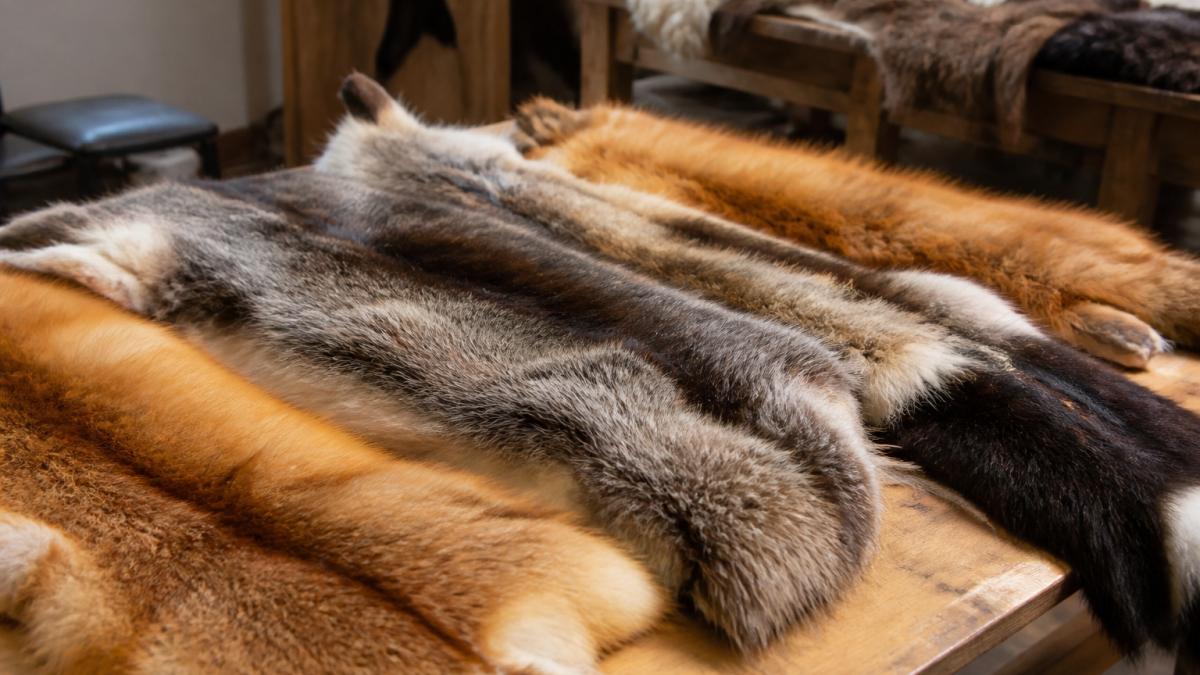
Ethically Fur is an online marketplace connecting buyers directly with North American hunters, trappers, and responsible suppliers who document their sourcing practices so you can verify claims before purchase.
Quick Picks: Ethically Fur (best overall marketplace), Minnesota Trapline Products (best for tanned pelts), and FurMark (best certification reference).
1. Ethically Fur, Best Overall for Ethical Sourcing Verification
Ethically Fur is a dedicated marketplace for wild-harvested, ethically farmed, and responsibly sourced fur products, offering raw pelts, finished goods, and trapping supplies. You buy directly from the North American hunters and trappers who harvested the materials, and every listing includes sourcing documentation and supplier information.
Pros: Documented sourcing, direct seller connection, wide product range. Cons: For now, a smaller inventory than general marketplaces.
2. Minnesota Trapline Products, Best for Established Tanned Pelts
Minnesota Trapline Products is an online retailer of tanned wild-fur pelts with an established reputation for sourcing from responsible trappers using sustainable harvest methods. Inventory is consistent within that niche, though item-by-item sourcing documentation is not readily available.
Pros: Established reputation, ready-to-use tanned pelts, sustainable harvest sourcing. Cons: Limited public sourcing documentation.
3. FurMark, Best for Understanding Ethical Certification
FurMark is a global certification program that helps buyers evaluate whether a supplier's ethical claims are verifiable. It isn't a marketplace, but its standards are essential when assessing supplier claims, check whether any ethically sourced pelt supplier references FurMark or similar programs.
Pros: Certification framework, global standards, industry recognition. Cons: Not a marketplace; certification details require research on individual suppliers.
Ethical Fur Sourcing Documentation: What to Look For
Verifiable documentation separates genuine ethical suppliers from those making unsubstantiated claims. When evaluating any ethically sourced pelt suppliers, ask specific questions about their documentation.
Look for harvest records showing species, location, and date of harvest, proof that materials trace to specific documented sources rather than pooled inventory. Country of origin matters: suppliers should clearly state whether pelts are wild-harvested or farmed, and from where. Reputable suppliers answer questions about their sources, hunter or farm relationships, and verification processes.
Wild-Harvested Fur Sustainability Versus Farmed Alternatives
Wild-harvested fur comes from regulated hunting and trapping in managed ecosystems designed to maintain wildlife populations while allowing sustainable harvest. The key is verification: does the supplier document that materials come from regulated sources?
Farmed fur operates under different standards and offers consistency in supply and quality, but buyers seeking wild-harvested materials need clear labeling to distinguish them. Wildlife management programs vary by species and region, so confirm the supplier verifies compliance with regulations in the harvest region.
For wild-harvested fur, sustainability means harvest within population-management limits; for farmed fur, it involves farm practices, animal welfare, and environmental impact. Ethically sourced pelt suppliers should state which definition applies and provide evidence.
Finding ethically sourced pelt suppliers means prioritizing transparency and verification over convenience. Trust suppliers that document sourcing, keep harvest records, and answer detailed questions. Ethically Fur was built for exactly this, browse our marketplace to find wild-harvested and responsibly sourced pelts from verified North American suppliers.
Frequently Asked Questions
How can I tell whether a pelt is ethically sourced?
Look for suppliers who provide harvest records, country of origin documentation, and trapper identification. Reputable ethically sourced pelt suppliers disclose their supply chain and explain their sourcing practices transparently. Ask for proof that pelts come from regulated hunting or trapping operations, not industrial farms. Certification programs and published sustainability pages indicate a seller's commitment to responsible practices.
What documentation should an online pelt supplier provide?
Ethical fur sourcing documentation should include the species, harvest date, trapper or farm location, and compliance with wildlife regulations. Suppliers should state whether pelts are wild-harvested or farmed, and provide details on animal welfare standards if farmed. Look for sellers who list their sourcing practices on dedicated pages and explain how they verify responsible practices from their suppliers.
Are wild-harvested pelts more sustainable than farmed fur?
Wild-harvested fur sustainability depends on regulated hunting and trapping that respects wildlife populations and conservation status. When managed properly through regulated seasons and quotas, wild-harvested pelts support ecosystem balance. Farmed fur can also be sustainable if farms meet animal welfare standards and use responsible production methods. The key is verifying that either sourcing method follows legal compliance and documented responsible practices.