 ultimate-guide
Vintage Fur Coat Ethical Considerations: A 2026 Guide
Table of Contents
- Is Vintage Fur Ethical? The Core Considerations
- Vintage Fur Coat Provenance: What to Ask Before You Buy
- Ethical Fur Sourcing Documentation and Verification
- Frequently Asked Questions
Last Updated: October 20, 2026
Is Vintage Fur Ethical? The Core Considerations
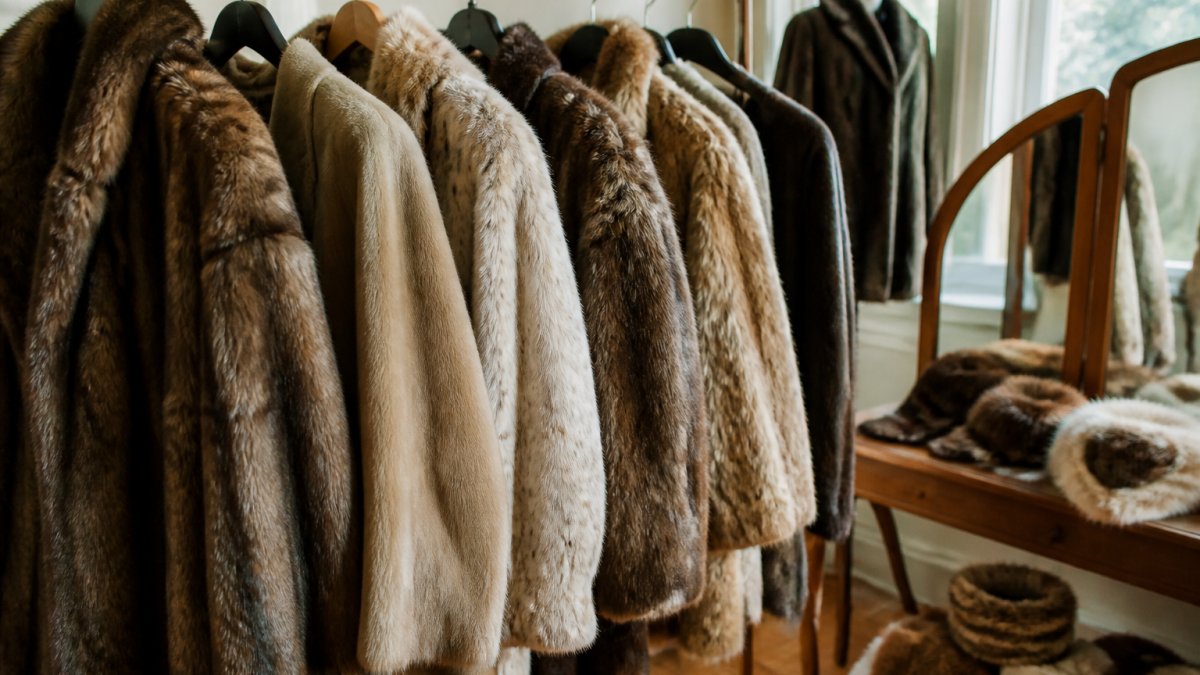
Vintage fur coat ethical considerations start with a simple distinction: a coat made in 1965 cannot be un-made, so buying it now creates no new demand for fur farming or trapping, which is why Ethically Fur treats vintage fur as a different category from new fur.
Vintage fur is a secondhand garment made from animal fur harvested and manufactured decades ago. The ethical question shifts from "should this animal have been killed" to "what happens to existing fur if nobody buys it."
Three considerations decide whether a coat passes that test: age and provenance, condition and longevity (fur that still insulates after 50 years is the strongest sustainability argument), and alternatives (faux fur avoids animal use but is typically petroleum-based and sheds microfibers).
Vintage Fur Coat Provenance: What to Ask Before You Buy
Provenance is the documented history of a garment: who made it, when, from what species, and where it has been since. A seller who cannot answer basic questions is telling you something.
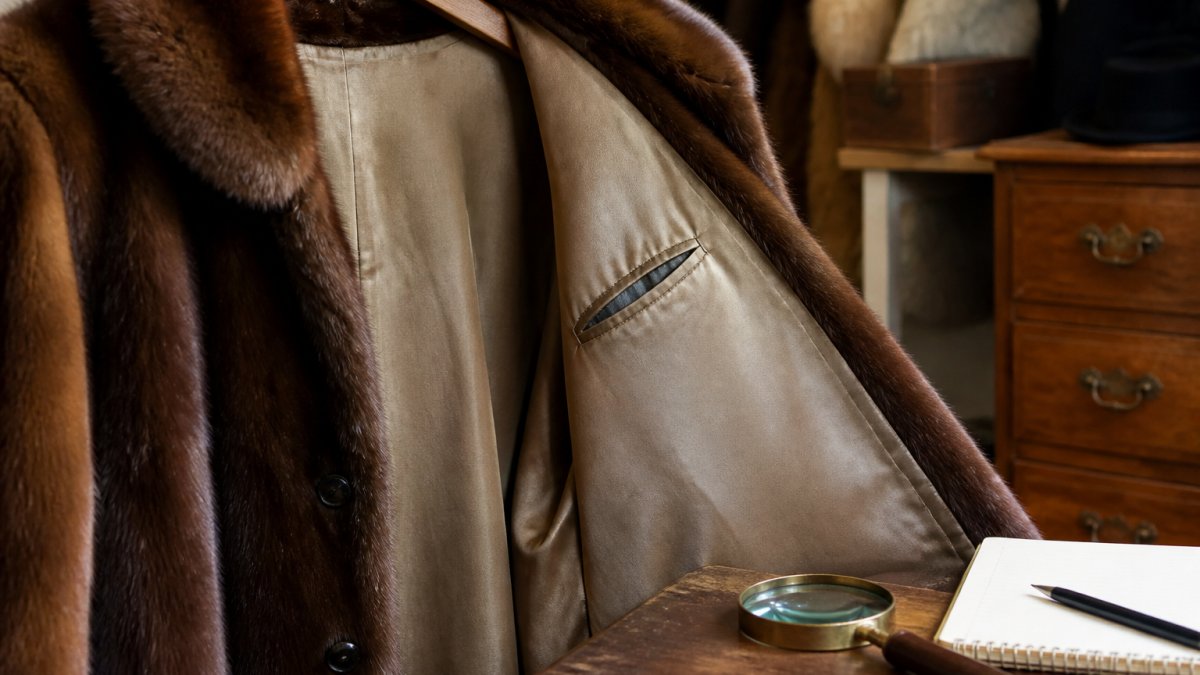
Use this checklist on every coat:
- Label and maker's mark. Union labels, furrier stamps, and brand tags narrow the date range.
- Species identification. Mink, fox, beaver, and raccoon age differently. Get the seller's confirmation in writing.
- Construction details. Hand-sewn linings and older hook closures point to pre-1970s manufacture.
- Repair history. Tears, bald patches, and replaced lining change value and lifespan.
- Storage conditions. Fur stored in plastic or heat degrades fast. Ask how it was kept.
A common mistake is buying on appearance alone and finding the hide dry and brittle at the seams. Run your hands against the nap and check the leather side at the shoulders, where stress shows first.
Ethical Fur Sourcing Documentation and Verification
Documentation separates a verifiable claim from a sales pitch: dating evidence and species confirmation for vintage pieces, harvest records and traceability for new fur.
Vintage garments rarely carry formal certification, since the schemes did not exist when they were made, so verification leans on physical inspection and expert appraisal. For new fur, ask sellers for species, origin, and harvest method.
That transparency standard is why Ethically Fur prioritizes ethical sourcing from hunters and trappers across North America, ensuring that every item meets high standards of responsibility and quality.
For the regulatory side, check your state wildlife agency's rules on fur sale and possession, since requirements vary by jurisdiction and change periodically. The U.S. Fish and Wildlife Service publishes guidance on legal wildlife trade, and the Association of Fish and Wildlife Agencies tracks state-level conservation policy. On animal welfare standards, the American Veterinary Medical Association maintains published positions worth reading before you form an opinion.
Frequently Asked Questions
Is it ethical to wear a vintage fur coat?
Many people consider wearing a vintage fur coat ethical because the animal was harvested decades ago and no new demand is created by wearing an existing garment. The ethical case depends on provenance: if the coat was made before modern welfare standards, you cannot verify how the animal was taken. Buyers who want a defensible position should ask sellers for any history, label details, and era information, then weigh that against their own values. Buying vintage does not directly fund current fur production, but it does keep fur visible as a fashion option.
Does buying vintage fur support the fur industry?
Buying a secondhand vintage fur coat does not put money into current trapping or farming operations, since the sale happens between private parties or resellers. The counterargument is that visible vintage fur normalizes fur as acceptable, which can indirectly benefit the modern trade. If you want to avoid any connection to current production, ask about the coat's age and origin and favor pieces clearly dated before the era you are comfortable with. Provenance documentation helps here.
Is vintage fur more sustainable than faux fur?
Vintage fur is a finished garment that already exists, so wearing it adds no new manufacturing emissions, while faux fur is typically made from petroleum-based synthetics that shed plastic microfibers during wear and washing. Real fur also biodegrades at end of life, whereas synthetic faux fur does not. The sustainability advantage of vintage fur depends on it lasting: a coat worn for another 20 years spreads its original impact over a long life, but one that sheds or deteriorates quickly offers less benefit. Condition matters as much as material.
The hardest part of buying vintage fur is not finding a coat. It is finding one you can actually trace. Ethically Fur connects you directly with North American sellers who document species and origin, offers wild-harvested and ethically farmed materials alongside finished goods, and gives crafters, taxidermists, and collectors a marketplace built on transparent sourcing. Browse listings and judge the provenance for yourself.