 ultimate-guide
Sustainable Fur Sourcing for Taxidermy 2026
Table of Contents
- What Sustainable Fur Sourcing Means for Taxidermy
- Questions to Ask a Fur Supplier Before Buying
- How to Evaluate Pelt Quality for Taxidermy Work
- Fur Pelt Traceability and Provenance Documentation
- Wildlife Pelt Sourcing Regulations and Compliance
- Wild-Harvested Versus Farmed Fur: What Taxidermists Need to Know
- Sustainable Sourcing Standards and Certifications in 2026
- Frequently Asked Questions
Last Updated: October 15, 2026
What Sustainable Fur Sourcing Means for Taxidermy
Sustainable fur sourcing for taxidermy in 2026 means obtaining pelts through methods that prioritize animal welfare, environmental responsibility, and transparent supply chains. At Ethically Fur, that means connecting buyers with wild-harvested, ethically farmed, and responsibly sourced fur products.
Taxidermy demands specific pelt qualities, density, coloration, fur length, that vary by source, and knowing your materials' origin affects the mount's appearance and durability.
Responsible sourcing means verifying that trappers followed regulated seasons, farmed animals met welfare standards, and no protected species entered the supply chain, protecting both the artisan's reputation and the craft's integrity.
Questions to Ask a Fur Supplier Before Buying
1. What is the exact species, and how was it identified?
"Coyote" is not an answer.
2. What is the legal acquisition pathway?
There are four legitimate pathways for taxidermy pelts, each producing different paperwork:
- Regulated harvest, taken by a licensed hunter or trapper during an open season. Paperwork: license number, harvest date, state game tag or confirmation number, and the unit or zone.
- Salvage or naturally deceased, roadkill, winter-kill, or natural causes. Many states require a salvage permit, possession tag, or call to the game warden before pickup. Paperwork: the salvage authorization or warden's reference number.
- Invasive or nuisance removal, animals taken under a depredation permit, invasive-species control program, or wildlife damage complaint. Paperwork: the permit or program authorization.
- Captive-bred or farmed, raised for fur, meat, or by-product use. Paperwork: farm identification, health or movement records, and welfare audit documentation.
If a supplier cannot tell you which pathway applies, treat the pelt as undocumented.
3. Can you provide the underlying records, not just a receipt?
A receipt proves you paid, not that the pelt is legal. Ask for the trapper's license number, harvest tag, salvage permit, or farm movement records.
4. Is this species covered by the Migratory Bird Treaty Act, the Endangered Species Act, or CITES?
These three frameworks most often turn a routine purchase into a violation.
5. What state or federal permits travel with this pelt?
Some species require a possession permit, import/export permit, or state-specific tag that must stay with the specimen.
6. How was the pelt preserved, and with what chemicals?
7. What is the storage and shipping history?
8. Will you sign a written sourcing statement?
This is the single most useful test.

A quick due-diligence checklist
Before you buy, confirm you have on file:
- Species name (common and scientific)
- Acquisition pathway (harvest, salvage, invasive removal, or farmed)
- License, tag, or permit number tied to that specific animal
- Harvest or acquisition date and location
- Supplier's signed sourcing statement
- Preservation and tanning method
- Storage and shipping history
If any line is blank, you have an open question, not a completed purchase.
How to Evaluate Pelt Quality for Taxidermy Work
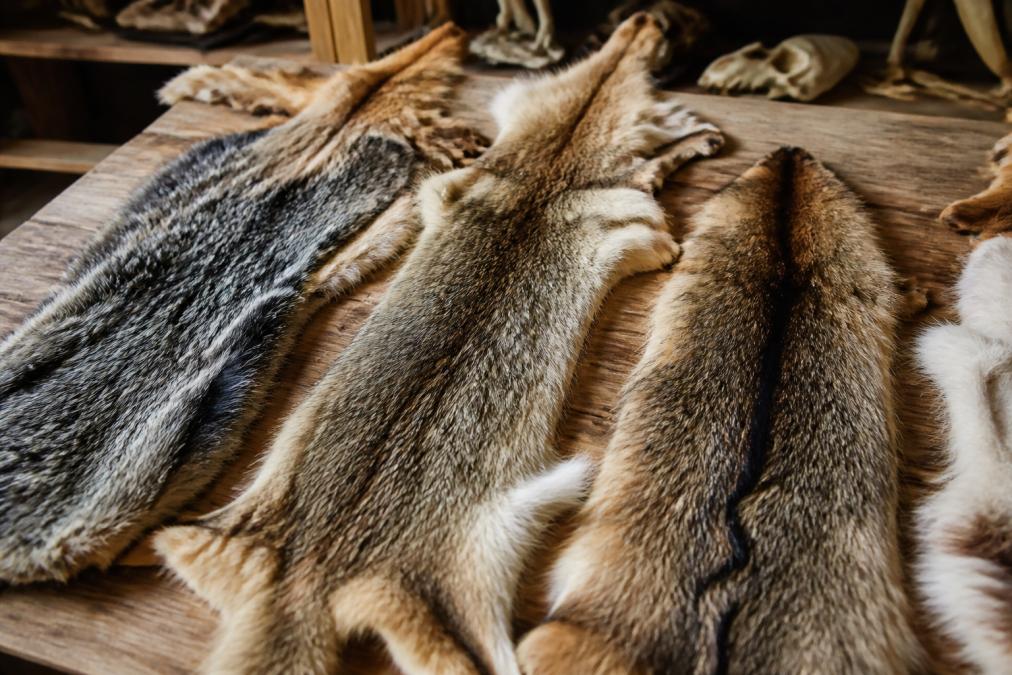
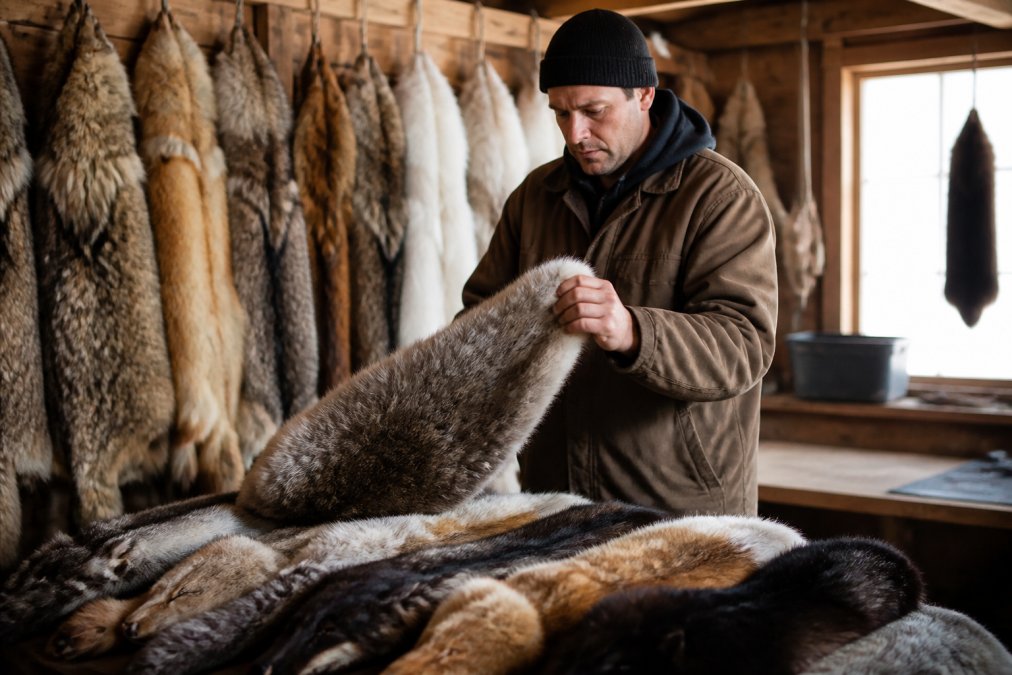
Evaluating pelt quality requires hands-on assessment of fur density, hide thickness, and overall condition, it determines whether your mount lasts decades or deteriorates within years.
Start with fur density: run your fingers against the grain and with it. Quality pelts have dense, uniform underfur; sparse or patchy fur indicates poor health or damage during harvest and storage, and density variation ruins life-size mounts.
Check the hide: it should be supple and uniform in thickness. Brittle, cracked, or overly thin hides fail during mounting and crack as they age; stiff, papery hides suggest poor preservation or age-related degradation.
Inspect for damage: cuts, tears, holes, or bare patches. Small marks may be acceptable depending on mount placement, but extensive damage reduces usability. Mange, parasites, or disease appear as missing fur, scabs, or discoloration, reject these entirely.
Color and texture consistency matters for visible mounts. Fading, discoloration, or uneven tone suggests sun exposure or improper storage. Request samples or high-resolution photos if you can't inspect in person.
Fur Pelt Traceability and Provenance Documentation
Traceability transforms a pelt from an anonymous commodity into a documented product with a verified origin story, protecting you legally and ethically.
Responsible suppliers maintain chain-of-custody records from harvest through sale: for wild-harvested pelts, the trapper's license, harvest date, and location; for farmed pelts, the farm's location, operation dates, and certifications.
Request written documentation before purchase, a receipt isn't enough; you need the underlying records. Ethically Fur's marketplace connects buyers with sellers who offer documentation, which you can review before committing.
Documentation is also your liability defense: if a pelt is later discovered to be from a protected species or illegally harvested, you could face fines or legal action. Keep records of every pelt you purchase, including supplier information and certifications.
For fly tiers and smaller projects, the documentation standard may be less formal, but the principle remains: know your source. Even for a small quantity of fur, asking basic questions about origin and legality protects your reputation.
Wildlife Pelt Sourcing Regulations and Compliance
Federal and state regulations govern which wildlife pelts you can legally purchase, own, and use, and violations carry serious penalties.
The Migratory Bird Treaty Act protects most native bird species, including eagles, hawks, owls, and many waterfowl.
State fish and wildlife agencies regulate mammals. Pelts from legally harvested animals during open seasons, deer, elk, beaver, are legal to buy and use; pelts from protected species or harvested outside seasons are not.
Endangered species protections are absolute: pelts from federally listed species cannot be legally purchased or used under any circumstances, including many big cats, primates, and marine mammals. CITES adds international restrictions, and importing or exporting certain pelts requires permits.
Documentation proves compliance. A responsible supplier can show each pelt came from a legal source during a legal season; request this proof before purchasing, and if a supplier cannot provide it, assume the pelt is not legal.
Wild-Harvested Versus Farmed Fur: What Taxidermists Need to Know
Wild-harvested and farmed pelts have distinct characteristics that affect both the final mount and your sourcing ethics.
Wild-harvested pelts come from animals living in natural conditions, so hides are typically thicker and more resilient, and fur color and pattern vary more, reflecting natural genetic diversity. For taxidermists seeking authentic appearance, they often deliver superior results, but availability depends on trapping seasons and fluctuates.
Farmed pelts come from animals raised in controlled environments for fur production. Selective breeding yields more uniform coloring and consistent quality, and supply is more predictable since farms maintain year-round inventory.
Sustainability differs by type. Wild-harvested pelts are by-products of regulated hunting and trapping, which some view as more sustainable because they avoid dedicated farming operations, though wild harvesting depends on healthy populations and regulated seasons.
For fly tiers and smaller projects, farmed materials often make sense for availability and consistency; for life-size mounts where authenticity matters, wild-harvested pelts may be preferable.
Sustainable Sourcing Standards and Certifications in 2026
Certification in fur sourcing is fragmented, and no single mark covers a taxidermy pelt end to end.
Farmed-fur welfare programs
The Fur Commission USA administers a voluntary certification program for domestic fur farms, built around animal welfare standards and on-farm audits.
Environmental management standards
ISO 14001 is a general environmental management standard, not fur-specific.
Wild-harvest compliance
Wild-sourced pelts rarely carry certification because harvest is distributed across thousands of individual hunters and trappers.
Invasive-species and nuisance-removal programs
A growing 2026 category is pelts from state or federal invasive-species control programs and wildlife damage permits. These animals are removed for ecological or property reasons, and the pelts are a by-product.
Third-party sourcing audits
A small number of suppliers now commission independent audits to verify sourcing claims and chain-of-custody records. These produce an independent report you can request and read.
How to verify a claim in 2026
Verification is a sequence, not a single check:
- Name the framework. Ask which specific program, standard, or permit applies. "Sustainably sourced" is not a framework.
- Get the identifier. Ask for the certificate, license, or permit number, or program participant ID.
- Check it at the source. Look up the certificate or participant on the issuing organization's public registry, or call the state wildlife agency that issued the permit. Most records are public.
- Match the scope. Confirm the certificate covers the species and operation you're buying from, not a parent company, sister facility, or different product line.
- File the evidence. Keep the certificate, permit, and supplier correspondence with the pelt's records.
What no certification currently covers
As of 2026, no certification addresses the taxidermy-specific environmental footprint: workshop preservatives and tanning chemicals, the waste stream from fleshing and trimming, packaging and shipping of finished mounts, or end-of-life disposal.
A balanced way to weigh the signals
Frequently Asked Questions
Can you ethically source fur for taxidermy?
Yes. Ethical sourcing for taxidermy focuses on wild-harvested pelts from regulated hunting and trapping, farmed fur from operations meeting animal welfare standards, and transparent supply chains that document provenance. Look for suppliers who provide harvest records, trapper credentials, and clear documentation of how and where each pelt was obtained. Sustainable fur sourcing ensures the specimen meets your quality needs while supporting responsible harvesting practices.
What questions should you ask a fur supplier before buying?
Ask about harvest method (wild-caught or farmed), specific location and date of harvest, trapper or farm credentials, any certifications or third-party verification, pelt grading standards used, hide treatment and tanning methods, and availability of documentation. Request details on their supply chain transparency and whether they can provide photos or samples. Understanding these factors helps you verify that your sustainable fur sourcing aligns with your project requirements and ethical standards.
How can you tell whether a pelt is in good condition for taxidermy?
Examine fur density, hide thickness, and absence of holes, bald spots, or insect damage. Check that the fur lies flat and shows natural luster without matting or brittleness. The hide should be supple and free of hard spots or discoloration. Request detailed photos or samples before purchasing. Reputable suppliers grade pelts by quality standards and can explain their grading system. Pelt condition directly affects your final mount, so thorough evaluation is essential before committing to a purchase.
Are there U.S. rules that affect buying or transporting wildlife pelts?
Yes. The Migratory Bird Treaty Act protects certain bird species and restricts possession of feathers and pelts without permits. State wildlife agencies regulate which species can be trapped or hunted and require harvest documentation. The Convention on International Trade in Endangered Species (CITES) restricts trade in protected species pelts. Federal law requires sellers to maintain records proving legal harvest. Before purchasing any pelt, verify that the species is legal to own and transport in your state, and request documentation of legal harvest from your supplier.
What is the difference between wild-harvested and farmed fur?
Wild-harvested fur comes from animals trapped or hunted under regulated seasons and bag limits, supporting population management and natural ecosystems. Farmed fur is produced on commercial operations where animals are bred and raised for pelts. Both can be sourced responsibly if they meet animal welfare and environmental standards. Wild-harvested fur often commands higher prices and appeals to those prioritizing ecosystem management. Farmed fur offers more consistent supply and grading. Your choice depends on your project needs, budget, and sourcing values.
How can taxidermists verify where a pelt came from?
Request a complete chain of custody documentation from your supplier, including trapper name and license number, harvest date and location, species identification, and any inspection or grading records. Reputable suppliers maintain detailed records and can provide photos of the specimen before and after processing. Cross-reference trapper credentials with state wildlife agency databases if available. Ask for references from other taxidermists who have purchased from the supplier. Fur pelt traceability is essential for verifying ethical sourcing and protecting yourself from illegally harvested material.
What records should you keep when sourcing fur?
Document the supplier's name and contact information, species and pelt grade purchased, harvest date and location, purchase date and price, any certifications or compliance documentation provided, and photos of the pelt condition upon receipt. Keep copies of any invoices, permits, or traceability paperwork. These records protect you legally if questions arise about the pelt's origin and help you track quality across suppliers. Maintaining detailed records supports sustainable sourcing practices and demonstrates due diligence if audited by wildlife authorities.