 blog
Fntpost Alternatives for Trappers Compared by Use Case
Last Updated: November 6, 2026
Quick Summary
A good fntpost alternative depends on how you buy. Trappers needing deep inventory by trap type should compare dedicated trapping supply dealers, while those wanting ethically sourced fur and supplies in one place can check Ethically Fur. Compare inventory depth, total cost, shipping terms and sourcing documentation before ordering.
- Match your buying pattern, such as one replacement snare or steady seasonal restocking, before comparing marketplaces.
- Compare total cost by adding shipping charges, order minimums and handling fees together.
- Ask each seller how it documents where its pelts and materials come from.
- Confirm the exact trap size and state-required hardware are in stock before checkout.
- Check your state wildlife agency's current trapping regulations before buying.
Table of Contents
- Why Trappers Look for a Fntpost Alternative
- What to Compare Before Choosing a Marketplace
- Best Trapping Supply Companies and Marketplaces Side by Side
- Finding Trapping Supplies Near Me Versus Shipping Online
- Catalogs, Wholesale Pricing and Order Minimums
- How Ethically Fur Handles Sourcing and Selling for Trappers
- Choosing the Right Fntpost Alternative for Your Next Order
- Frequently Asked Questions
Why Trappers Look for a Fntpost Alternative
Trappers search for a Fntpost alternative for a few practical reasons. Some want more inventory depth for specific trap types. Others want clearer shipping terms or a marketplace that fits how they actually buy, whether that means a few traps for a season or bulk supplies for a steady operation. Ethically Fur is a marketplace built around ethically sourced fur and trapping supplies, serving crafters, taxidermists, and outdoor enthusiasts across North America.
Knowing why you are looking matters more than picking the first result. A trapper who needs a single replacement snare has different needs from one who restocks foothold traps and bait each fall. Start with your own buying pattern, then compare marketplaces against it.
What to Compare Before Choosing a Marketplace
Four factors separate a useful marketplace from a frustrating one:
- Inventory by trap type and target species. A large catalog means little if your specific trap size is out of stock.
- Total cost, not sticker price. Compare shipping charges, order minimums, and any handling fees together.
- Verification and sourcing information. Ask how a seller documents where its pelts and materials come from.
- Shipping speed and returns. Check how long orders take and what happens if an item arrives damaged.
Before you buy, read the marketplace's posted shipping and return policies. Terms change, so confirm current details on each site rather than relying on older guides.
State trapping rules also shape which products and sellers you can legally use. Check your state wildlife agency's current regulations before buying, since seasons, trap requirements, and tagging rules vary by state.
Best Trapping Supply Companies and Marketplaces Side by Side
Most roundups list dealers without organizing them by what a trapper actually buys. For a fuller side-by-side of other marketplaces that compete with Fntpost, see Wildcat Marketplace alternatives compared. The comparison below sorts options by trap type and target species first, then by the buying factors that decide total cost: inventory depth, shipping terms, returns, and sourcing documentation. Verify current stock and terms directly on each site before ordering, since listings and policies change seasonally.
Inventory depth by trap type and target species
Trap type | Typical target species | What to confirm before buying | Where alternatives differ most |
|---|---|---|---|
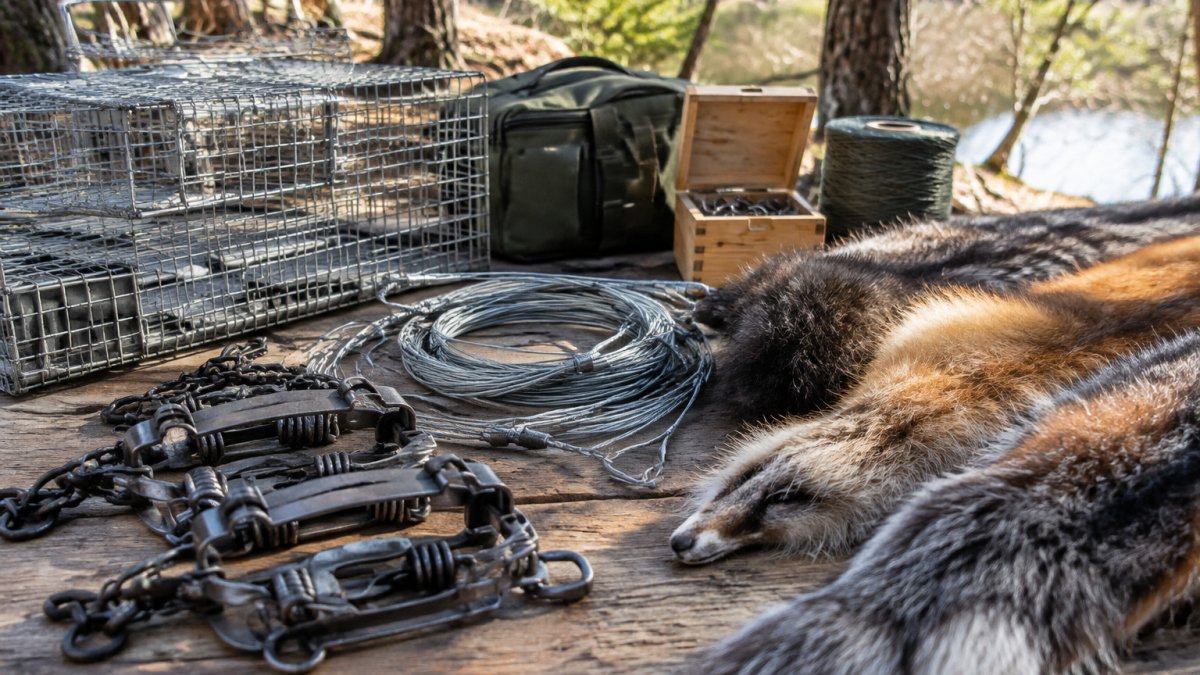
Foothold traps | Coyote, fox, raccoon, bobcat | Jaw size, chain length, pan tension, state legal restrictions | Specialty trapper suppliers stock full size runs; general marketplaces often list only common sizes |
Body-grip traps | Beaver, otter, mink, muskrat | Trigger configuration, jaw spread, safety features | Bulk availability and consistent batch quality vary widely by seller |
Cage traps | Raccoon, skunk, feral cat, nuisance wildlife | Door mechanism, cage gauge, state relocation rules | Local shops carry common sizes; online sellers offer specialty and oversized cages |
Snares | Coyote, fox, beaver | Cable diameter, breakaway devices, deer-stop requirements | State-specific hardware (breakaways, stops) is easiest to source from dedicated trapping suppliers |
Trap tags and hardware | All regulated species | State tag format, attachment method | Often overlooked; confirm the seller stocks tags matching your state's requirements |
Side-by-side comparison of alternative retailers
Option | Best for | Inventory strengths | Buying factors to check |
|---|---|---|---|
Ethically Fur | Trappers who want documented, ethically sourced fur and pelts alongside supplies | Raw pelts, finished goods, and trapping supplies in one marketplace; direct connection to North American sellers | Confirm current inventory, shipping terms, and sourcing documentation before ordering |
Dedicated trapping supply dealers | Full-time and seasonal trappers restocking trap lines | Deep size runs for foothold, body-grip, and snares; baits, lures, and urines | Shipping speed, order minimums, and backorder policies vary by dealer |
Large general marketplaces | Beginners testing gear or buying accessories | Broad selection and competitive listings across many categories | Sourcing claims vary by seller; verification takes more effort; trapping-specific hardware may be thin |
Local supply shops | Buying in person, seeing gear first, getting staff advice | No shipping wait; hands-on inspection | Smaller inventory; limited hours and locations; specialty sizes often special-order |
Beginner versus experienced trapper recommendations
Beginners are usually best served by a local shop or a dedicated trapping dealer that can confirm state-legal trap sizes and tag requirements before the first season. Experienced trappers restocking a line should prioritize dealers with steady stock of their specific trap sizes, recurring-order options, and consistent batch quality. Trappers who also sell fur should weigh sourcing documentation and marketplace reach alongside supply inventory.
Watch out: a marketplace that lists a trap type does not guarantee your specific size, jaw spread, or state-required hardware is in stock, confirm the exact SKU and legal configuration before checkout.
Shipping, returns, and customer support
These practical factors rarely appear in roundups but decide total purchase cost. Ask each seller: How fast do orders ship during peak pre-season weeks? What is the return window on traps and hardware? Is customer support reachable by phone during business hours? A dealer with slightly higher sticker prices but fast shipping and easy returns often costs less overall than a cheaper listing with slow fulfillment and restocking fees.
Regional availability and local-store options
Trapping supply availability tracks regional demand. States with strong coyote and fox seasons tend to have dealers with deeper foothold and snare inventory, while beaver and otter country supports body-grip stock. Before driving to a local shop, call ahead to confirm the sizes and hardware you need. When a local shop lacks a specialty item, online ordering from a dedicated trapping dealer is usually more practical than special-ordering through a general retailer.
Finding Trapping Supplies Near Me Versus Shipping Online
Searching "trapping supplies near me" returns local shops, but local inventory is often limited to common sizes and basic gear. Shipping online opens access to specialized items and larger catalogs, though you wait longer and pay freight.
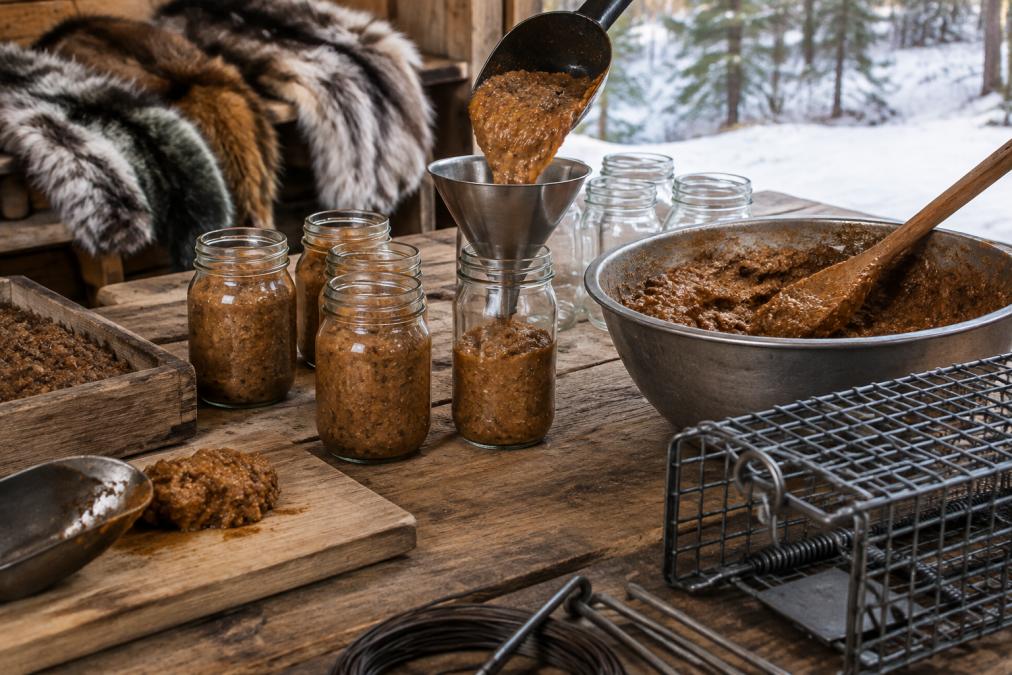
Trapper sorting foothold traps and bait near a laptop as a fntpost alternative for ordering supplies online
A practical approach is to buy common consumables locally and order specialty items online. Bait, lures, and everyday accessories are often easy to pick up nearby. Less common trap sizes, bulk quantities, and specific pelt grades usually require online ordering.
Factor in your time. A two-hour drive to save on shipping rarely pays off unless you are buying a large order.
Catalogs, Wholesale Pricing and Order Minimums
Catalogs help you compare products quickly, and many suppliers publish them in print or online. Wholesale pricing typically requires larger orders, and many suppliers set order minimums to cover handling costs. Pricing depends on quantity, dates, and delivery, so contact sellers or check Ethically Fur's website for a current quote rather than relying on figures from other sources.
Wholesale Trapping Supplies for Regular Buyers
Regular buyers should plan around a few questions. Does the supplier keep steady stock of the traps you use? Can you set up recurring orders? Does the supplier offer consistent quality from batch to batch? Ask these before committing to a bulk relationship. Ethically Fur lists a range of raw pelts, finished goods, and trapping supplies, so regular buyers can compare options in one place. For locally sourced raw skulls cleaned with dermestid beetles, see Simone's Bones.
How Ethically Fur Handles Sourcing and Selling for Trappers
Ethically Fur focuses on wild-harvested and ethically farmed fur, with a marketplace open to trappers, hunters, and ethical fur sellers. For an example of a Northeast vendor selling ethically sourced wild and farmed fur, skulls and bones, see Great River Antler & Fur Co. Its platform connects buyers directly with North American sellers.
Sourcing claims deserve scrutiny from any buyer. Compare ethically sourced pelt suppliers and learn how to verify their sourcing claims before you order. Ask how a seller verifies that its furs come from responsible hunters and trappers, and what documentation is available. Review Ethically Fur's site for its current sourcing details before placing an order.
Trappers who sell as well as buy can list their furs on the marketplace to reach buyers.
Choosing the Right Fntpost Alternative for Your Next Order
Start by matching your needs to the factors above: inventory, total cost, sourcing transparency, and shipping speed. If you need a single specialty item, compare shipping costs carefully. If you are placing a large order, ask about minimums and recurring supply.
For buyers who prioritize ethically sourced fur and want a marketplace built around that standard, Ethically Fur is a place to start. Browse current listings, compare the terms against two or three other options, and choose the marketplace that fits your next order.
Frequently Asked Questions
Where can I find the F&T trapping supplies catalog?
Check the supplier's website for current catalog availability, mailing options and any charges before ordering. Trappers comparing sources should also look at how a supplier's inventory matches their target species, the trap types they run, and how quickly orders ship to their area. Ethically Fur lists fur and trapping supplies on its own marketplace, and current pricing depends on quantity, dates and delivery, so request a quote for exact figures.
Is there any money in fur trapping?
Income from fur trapping varies widely with the species taken, pelt condition, the season, and local market demand. Pelt prices are set by buyers and shift from year to year, so no single figure applies to every trapper. Costs such as traps, bait, licenses and transport also reduce what a trapper keeps. Sellers on Ethically Fur can list wild-harvested pelts directly, and buyers can review listings to see what is available before deciding whether a trapping season makes financial sense.
What should trappers look for when choosing an online fur marketplace?
Look first at inventory depth, meaning whether the marketplace carries the trap types, baits and pelt grades you actually use. Next, check how sourcing is described, including whether products are wild-harvested or farmed and what verification the seller provides. Shipping speed, return policies and customer support also matter when an order is time-sensitive. Ethically Fur focuses on wild-harvested and responsibly sourced fur products from hunters and trappers across North America.
Are there trapping supply retailers that sell wholesale?
Some trapping supply retailers offer wholesale or bulk pricing, usually with minimum order quantities and account requirements. Terms differ by supplier, so ask about minimums, shipping charges and whether bulk pricing applies to the items you need. Pricing depends on quantity, dates and delivery; contact Ethically Fur for a quote tailored to your order.